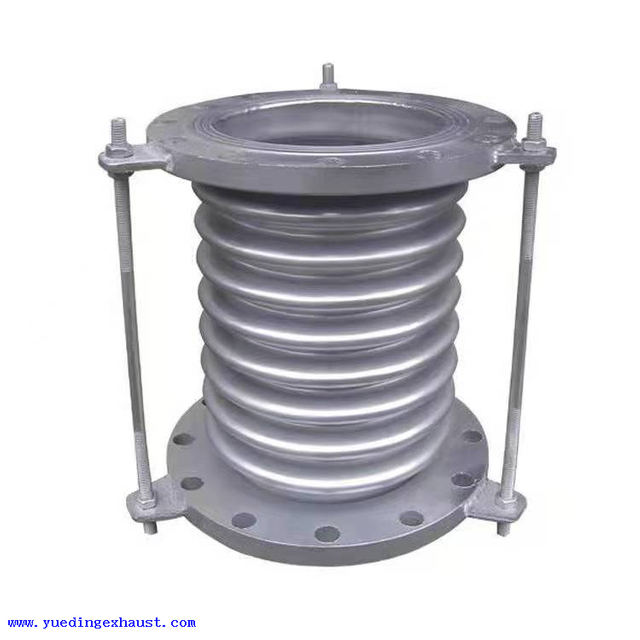
Vacuum bellows find various applications in photovoltaic (PV) and solar energy fields, particularly in equipment and processes related to solar cell manufacturing and testing. Here are some common applications:
Solar Cell Testing Equipment: Vacuum bellows can be used in the construction of testing equipment used in solar cell production. For example, they can be used to create a vacuum-tight seal in test chambers where solar cells are subjected to different environmental conditions, such as temperature and humidity variations.
Thin-Film Solar Panel Production: In the manufacture of thin-film solar panels, vacuum bellows can be used in the deposition process to create a vacuum environment. This is important for thin-film deposition techniques like chemical vapor deposition (CVD) and physical vapor deposition (PVD), which require precise control of the deposition environment.
Solar Panel Assembly: Some solar panel assembly processes involve the use of vacuum equipment for laminating and encapsulating solar cells to create photovoltaic modules. Vacuum bellows may be used in the machinery that assists in these processes.
Photovoltaic Testing and Research: In research and development labs focused on photovoltaic technologies, vacuum chambers are often used to simulate space conditions or study the behavior of solar cells in controlled environments. Vacuum bellows can play a role in creating and maintaining the vacuum within these chambers.
Types and material
Vacuum bellows come in various types and configurations, including edge-welded bellows, diaphragm bellows, and convoluted bellows. The choice of type depends on the specific application and the requirements for flexibility and sealing.
Common materials include stainless steel (particularly 316L stainless steel), nickel alloys, and other corrosion-resistant materials.
Demand
Several factors influence the demand for vacuum bellows in the PV and solar energy sectors:
Production Scale: Large-scale solar panel manufacturing facilities are likely to use a higher volume of vacuum bellows compared to smaller operations or research labs.
Technological Advances: As PV technology evolves, the types of equipment used in manufacturing and testing may change, potentially affecting the demand for vacuum bellows.
Research and Development: Research institutions and universities engaged in solar energy research may also use vacuum bellows for experimental setups and testing equipment.
Maintenance and Replacement: Vacuum bellows have a finite lifespan, and they may need to be replaced periodically due to wear and tear. The number of bellows used annually may include both new installations and replacements.
So when evaluating the expense of using vacuum bellows, factors like performance, reliability, compatibility, and maintenance costs are typically considered.