
2" Flex Exhaust Pipe: Uses, Sizing, Installation, and Common Problems
If your daily driver has suddenly started sounding like a farm tractor or you feel a strange buzzing under your feet at red lights, you are likely hearing a failed flex pipe. Think of this component as a "human joint" for your car’s undercarriage; just as an elbow allows movement without snapping the bone, this part allows the engine to rock naturally while reducing manifold stress from engine vibration.
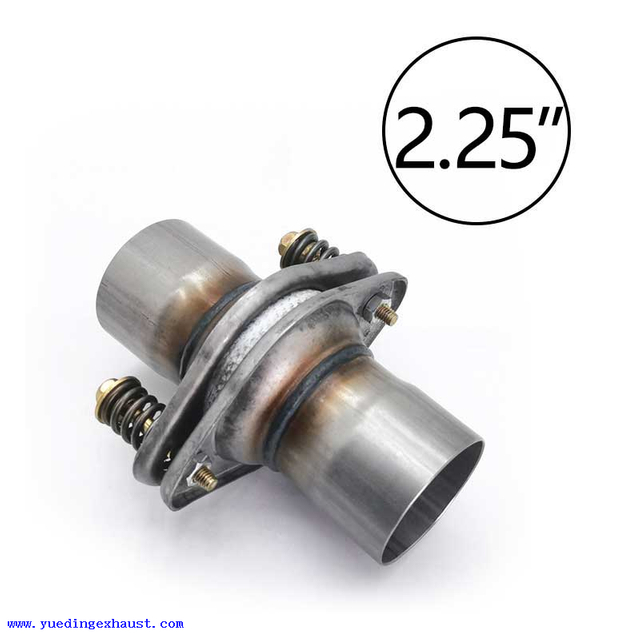
You don't always need an expensive total system replacement to fix these loud leaks. Automotive experts often point to a simple 2 flex exhaust pipe as the specific "missing link" that restores silence for a fraction of the cost. Functioning as a high temperature resistant vibration dampener, this braided mesh section absorbs the harsh shaking that would otherwise crack your solid steel pipes.
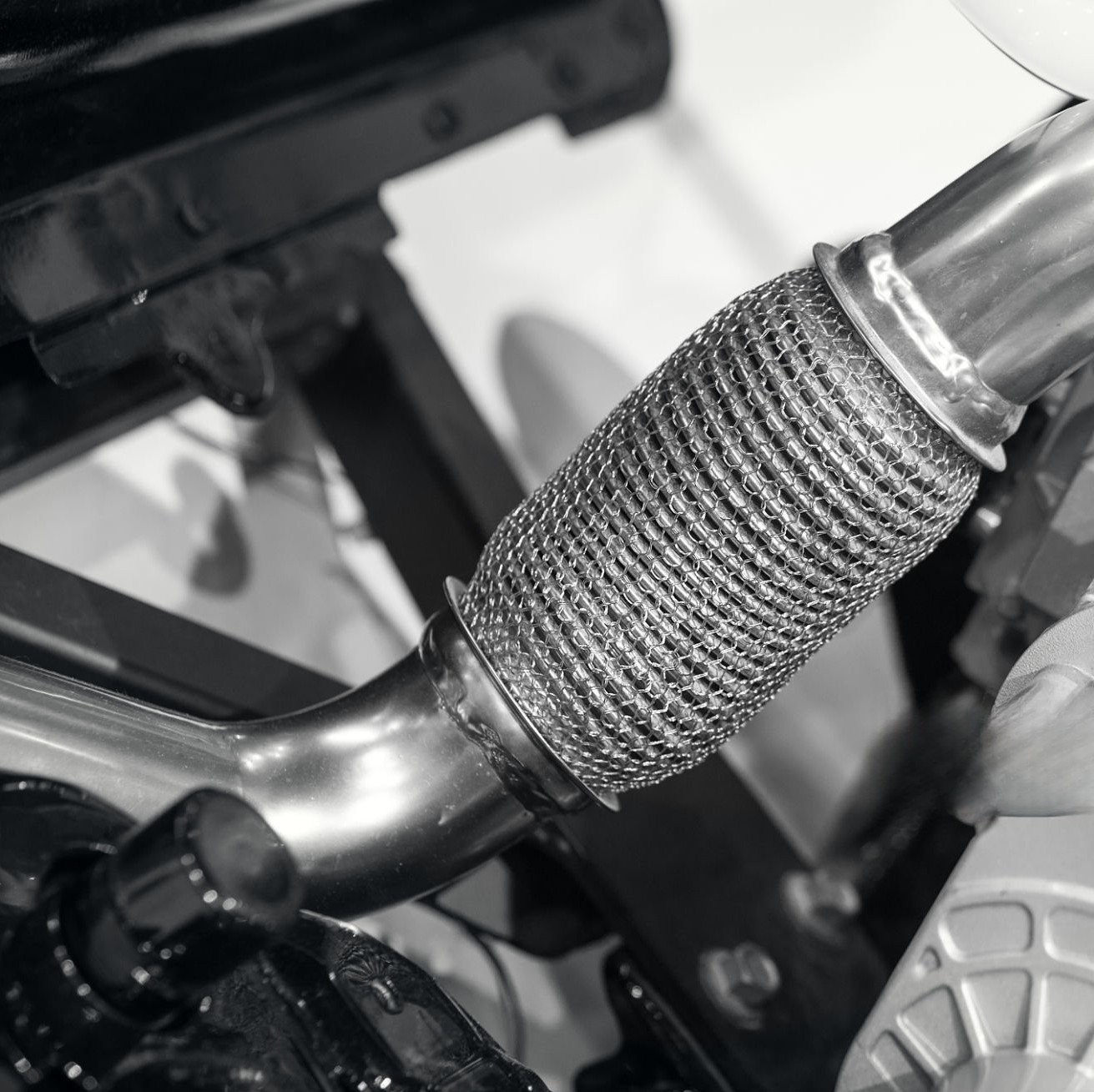
How the 'Flexible Joint' in Your Exhaust Prevents Costly Cracks
Your engine rocks back and forth every time you hit the gas, even if the rest of the car feels steady. If the piping underneath were completely rigid, that constant motion would eventually snap the metal near the engine. This is where the flex pipe acts as a "shock absorber." It typically features a stainless steel braided coupling on the outside that protects a bellows-style inner tube. This unique structure bends to absorb vibration so the rest of the system doesn't crack.
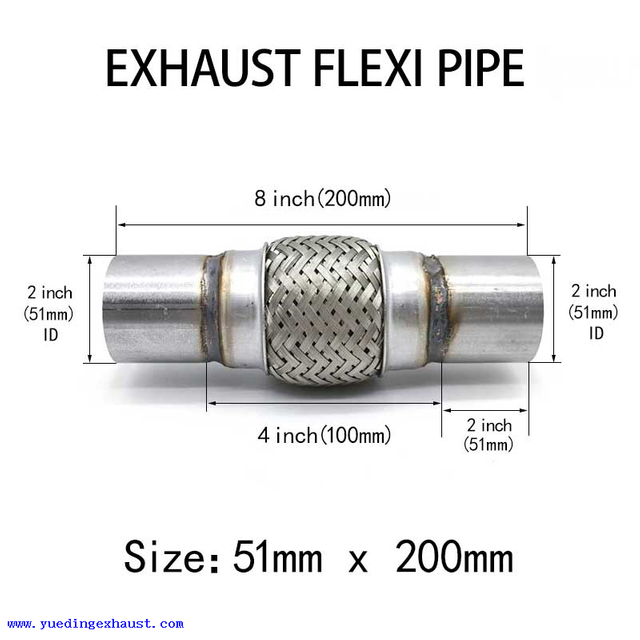
Getting the size right is just as critical as the flexibility. When mechanics specify a 2 inch exhaust flex pipe, they are referring to the internal diameter—the actual opening gas flows through. This 2-inch standard is common for many everyday sedans like Civics or Corollas because it matches the specific flow requirements of their engines. If you try to install a 2 inch flexible exhaust pipe on a car designed for a different diameter, you won’t get an airtight seal, resulting in immediate leaks.
Because these components are constantly twisting and heating up, they are often the first part of the exhaust to fail. The wire mesh eventually wears out, leading to specific warning signs you can easily spot.
Is Your Flex Pipe Frayed or Failing? 3 Warning Signs You Can See and Smell
Since the flex pipe sits near the engine and is often exposed to road debris, you can sometimes identify damage just by peeking underneath the car. A healthy component resembles a tight, shiny metal braid similar to a heavy-duty watch band. However, if the outer mesh looks frayed, unraveled, or "fuzzy"—like a steel wool pad falling apart—structural failure is imminent. This physical disintegration is often the first warning before the noise becomes unbearable.
Beyond a visual check, rely on your ears and nose to catch problems early. Be on the alert for these three common indicators:
Loud Hissing or Roaring: A small leak often starts as a rhythmic "ticking" or hissing sound when you accelerate, eventually growing into a loud, tractor-like roar as the hole widens.
Toxic Odors: Detecting exhaust gas smells in cabin suggests the leak is happening directly under your feet rather than at the tailpipe, creating a serious safety hazard for you and your passengers.
New Vibrations: Symptoms of a cracked flex pipe frequently include a buzzing sensation in the gas pedal or steering wheel, indicating the component has lost its ability to dampen engine movement.
Ignoring these signs puts stress on your exhaust manifold and can even melt nearby plastic parts due to escaping heat. Once you confirm a leak, you will need to source a specific piece of 2 inch flexible exhaust tubing to weld or clamp in place. However, not all replacement pipes are built the same on the inside.
Choosing the Right 2-Inch Pipe: Interlock vs. Inner Braid Construction

Interlock Flex Exhaust Pipe
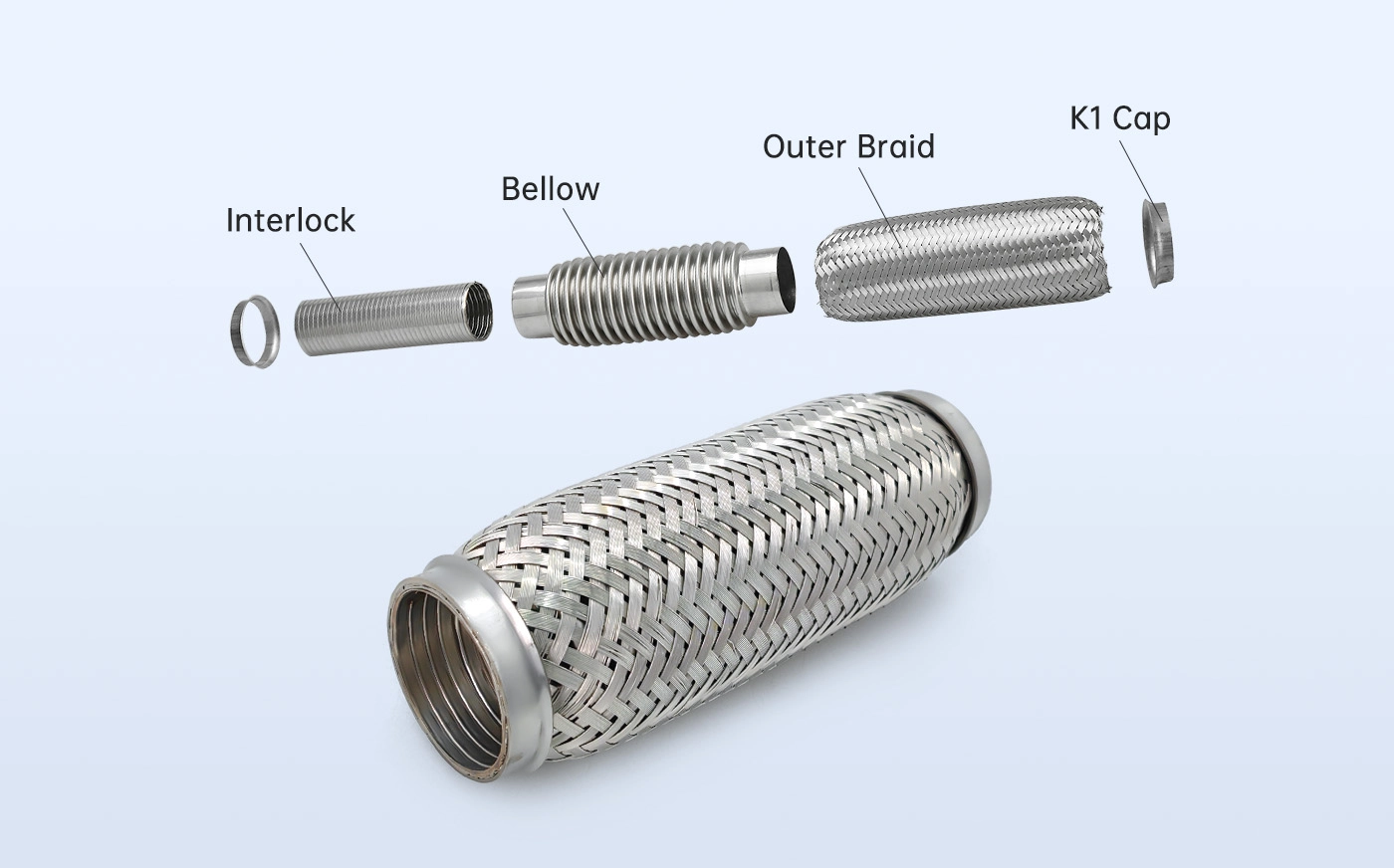
Inner Braid Flex Exhaust Pipe
When shopping for a replacement, the internal design matters more than the exterior mesh. Standard "inner braid" pipes act like a reinforced straw, offering a cost-effective solution for smaller cars that need smooth airflow. However, comparing interlock vs inner braid construction reveals that interlock liners are the superior choice for longevity. This design features interlocking metal rings—similar to flexible armor—that protect the inside of the pipe against the high heat and exhaust pulses that likely caused your original part to fail.
The metal quality also dictates whether you will need to repeat this repair next year. While factory pipes often use basic steel that corrodes quickly, investing in T304 stainless steel is a smart move for long-term reliability. The primary T304 stainless steel durability factors include higher chromium and nickel content, which allows the part to resist rust even in snowy, salty climates where standard aluminized steel would eventually crumble.
For maximum lifespan, seek out a heavy duty exhaust bellows with liner. These premium units combine a robust interlock interior with a thicker flexible center to prevent the metal fatigue that snaps cheaper alternatives. Spending a few extra dollars here ensures you won't hear that dreaded rattling sound again anytime soon. Now that you have selected the right durable part, you need to decide if you can simply clamp it on or if the job requires professional welding.
To Clamp or To Weld? Deciding the Best Way to Seal Your Exhaust Leak
Before adding a replacement part to your cart, you must confirm that a 2-inch pipe is the actual size you need; even a quarter-inch difference prevents sealing exhaust leaks at the connector. If you don't own a digital caliper tool, simply wrap a piece of string around the old pipe, measure the string’s length, and divide that number by 3.14. This simple math trick is how to measure exhaust pipe diameter accurately without needing professional equipment.
Once the size is confirmed, you need to choose an installation method based on your available tools and budget. Weighing the trade-offs between welding vs clamping exhaust repairs helps you avoid overspending on a fix that might be simple to do yourself:
Clamp-on Kit: Best for DIYers. Requires only basic wrenches and costs less, but the seal may need tightening after a few years.
Professional Weld: Best for longevity. Requires a shop visit and higher labor costs, but creates a permanent, maintenance-free bond.
Whichever path you choose, ensuring the new pipe sits naturally without tension is critical. One of the main universal fit flexible coupler benefits is that it forgives slight alignment errors, but forcing the pipe into place can eventually crack your engine manifold. Proper installation ensures the repair holds, setting you up for a quieter drive.
Your 3-Step Plan for a Quieter Drive and a Safer Cabin
You no longer have to guess why your car sounds like a tractor. The path to a quiet cabin starts with confirming you need a 2 inch flexible exhaust pipe specifically. Accuracy is crucial here to avoid the "wrong cap on the milk bottle" error. Fixing this leak early stops exhaust fumes from entering the car and restores efficient engine breathing.
Whether you install a clamp-on unit or visit a pro, ensure proper alignment for exhaust components to prevent stress cracks. This repair allows your vehicle to safely handle thermal expansion in automotive exhaust systems and engine movement. Don't let a small hiss become a failed inspection; measure your pipe diameter today and reclaim the smooth, silent ride you deserve.

About Yueding
YUEDING manufactures stainless steel exhaust flexible connectors, clamps, metal bellows, and selected automotive exhaust components under ISO and IATF quality systems. With in-house production, inspection, and packaging capabilities, we support bulk orders, standard-size inventory, and customized branding for global B2B customers.
Reliable Delivery
Stable production planning, standard-size inventory, and batch shipping support help make delivery more predictable.

Factory Direct
Production, inspection, and packaging are managed in-house, making communication, quality control, and customization more efficient.

Integrated Supply
We supply flex pipes, clamps, metal bellows, and selected exhaust components to support related purchasing needs from one manufacturer.

