


 |


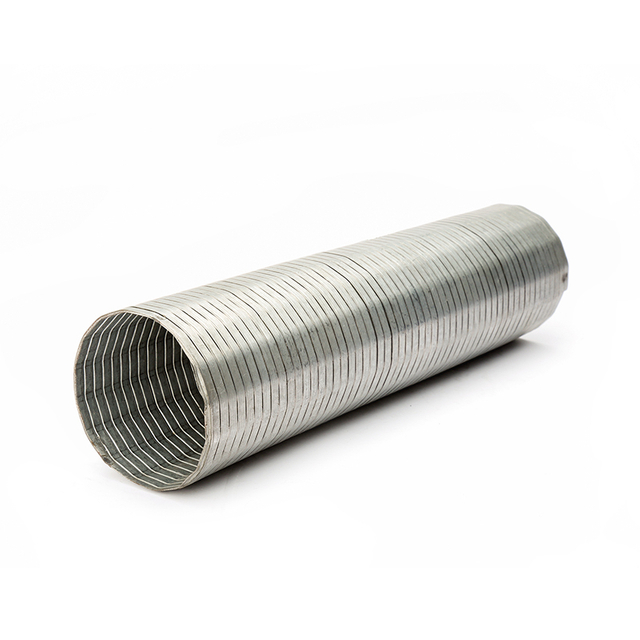
Brass/tin Bronze/stainless Steel Elastic Bellows
| Bellows are widely used in various industries for their flexibility, durability, and ability to withstand different environmental conditions. Among the most common materials are Brass Bellows, Tin-Bronze Bellows, and Stainless Steel Bellows. Each has unique properties, manufacturing techniques, and applications. | |||||||||
The selection of bellows depends on the specific requirements of the application. Brass bellows excel in cost-effectiveness and appearance, Tin-bronze bellows perform well in moderately corrosive environments, and Stainless steel bellows are unmatched in durability and high-stress applications.
Manufacturing Differences
| Aspect | Brass Bellows | Tin-Bronze Bellows | Stainless Steel Bellows |
|---|---|---|---|
| Material Composition | Copper-zinc alloy (e.g., 60/40 ratio) | Copper-tin alloy (e.g., 88/12 ratio) | Austenitic steel (e.g., SS304, SS316) |
| Manufacturing Method | Deep drawing, welding, or hydroforming | Precision stamping or brazing | Hydraulic forming or laser welding |
| Flexibility | Moderate | High | Excellent |
| Corrosion Resistance | Good in non-aggressive environments | Better in slightly acidic environments | Excellent in harsh conditions |
Technical Specifications
| Parameter | Brass Bellows | Tin-Bronze Bellows | Stainless Steel Bellows |
|---|---|---|---|
| Operating Temperature | -40°C to 200°C | -40°C to 250°C | -200°C to 600°C |
| Pressure Resistance | Low to medium | Medium | High |
| Lifespan (cycles) | 1M - 1.5M | 1.5M - 2M | Over 3M |
| Weight | Lightweight | Moderate | Heavier than alloys |
Applications
| Bellows Type | Applications |
|---|---|
| Brass Bellows | HVAC systems, plumbing, and decorative applications |
| Tin-Bronze Bellows | Marine engineering, electrical components, and moderately corrosive environments |
| Stainless Steel Bellows | Aerospace, automotive exhaust systems, and high-pressure pipelines |


YUEDING EXHAUST
We are a Chinese manufacturer with over 30 years of experience producing exhaust hoses, clamps, and related components. Our production is ISO and IATF certified, ensuring consistent quality for automotive and industrial applications. We support bulk orders, sample requests, and custom specifications to meet your project needs.
Reliable Delivery
Through scheduled production and global shipping to ensure stable lead times for bulk supply.

Factory Direct
Manufactured in-house with controlled processes to maintain consistency across batches.

Bulk OEM
You can rely on drawing-based production and OEM options to meet project specifications and long-term supply needs.

