Have you ever wondered how large industrial systems handle constant movement and temperature changes without breaking down? The answer lies in expansion joints. These critical components help industrial systems absorb thermal expansion, vibrations, and mechanical stress, ensuring smooth and efficient operation.
In this article, we will explore the essential role of expansion joints in industrial systems, their different types, and why they are vital for preventing costly system failures. You’ll learn how expansion joints protect piping systems and machinery, contributing to their longevity and performance.
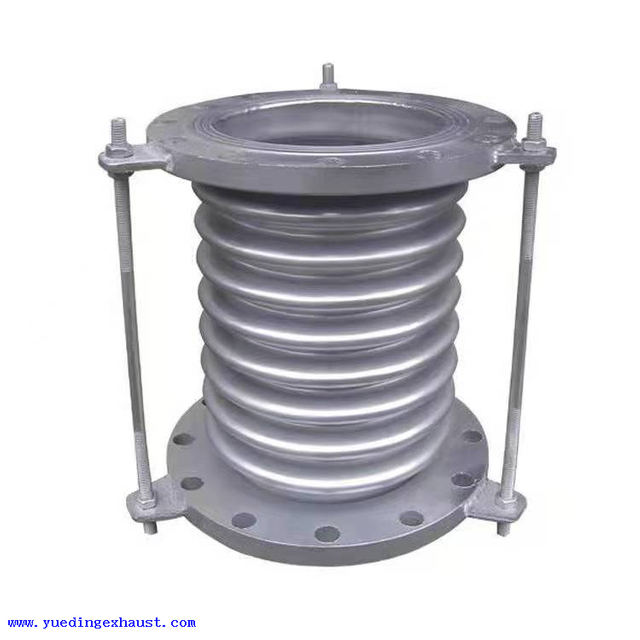
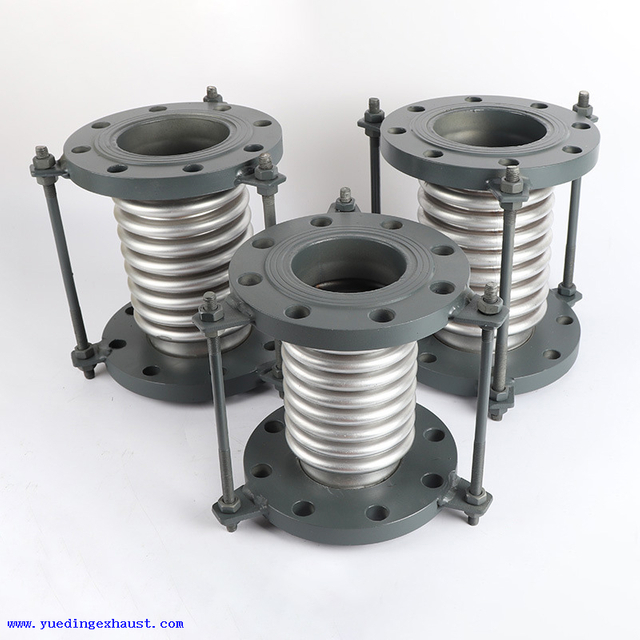
An expansion joint is a flexible, engineered component placed within piping systems to absorb movement and prevent damage caused by temperature fluctuations, vibrations, and misalignments. It allows for expansion, contraction, and alignment adjustments, ensuring a continuous flow of materials without compromising the structural integrity of pipes or machinery. These components are designed to handle dynamic stresses, which makes them indispensable in preventing failures that could otherwise be detrimental to the system’s performance.
Expansion joints come in various types, each designed for specific industrial applications. Here are some of the most common types used across various sectors:
Metallic Expansion Joints: These joints are ideal for high-pressure, high-temperature environments, such as oil refineries, power plants, and heavy industrial applications. The flexible metal bellows in these joints absorb large amounts of thermal expansion and contraction while withstanding high pressure and temperature changes.
Rubber Expansion Joints: These are typically used in HVAC systems, water treatment plants, and other applications that require vibration absorption and noise reduction. Rubber is known for its flexibility and ability to withstand pressure and temperature changes, making it an excellent choice for systems prone to constant movement or shifting.
Fabric Expansion Joints: Perfect for low-pressure, high-temperature systems like gas turbines, fabric expansion joints are made of durable textile materials that can handle significant movement without compromising integrity. They are often used in environments where flexibility and resistance to heat are paramount.
PTFE Expansion Joints: Made from polytetrafluoroethylene, these joints are highly resistant to chemicals and are widely used in chemical processing plants where corrosive materials are common. PTFE expansion joints offer exceptional performance in environments where other materials would degrade quickly.
| Type of Expansion Joint | Ideal Use Cases | Key Materials | Typical Applications |
|---|---|---|---|
| Metallic Expansion Joints | High-pressure, high-temperature environments | Stainless steel, Alloy | Oil refineries, Power plants |
| Rubber Expansion Joints | Vibration and noise absorption, moderate pressure | Rubber | HVAC systems, Water treatment plants |
| Fabric Expansion Joints | Low-pressure, high-temperature systems | Durable textiles | Gas turbines, High-heat environments |
| PTFE Expansion Joints | Chemical resistance, corrosive environments | PTFE (Polytetrafluoroethylene) | Chemical processing plants |
The materials used in expansion joints determine their durability, flexibility, and suitability for specific environments. Common materials include:
Rubber: Known for its flexibility and ability to absorb vibrations, making it ideal for HVAC systems and water treatment plants.
Stainless Steel: Offers strength and corrosion resistance in high-temperature environments, ensuring reliability in industries such as power generation and oil & gas.
PTFE: Provides exceptional chemical resistance and is used in highly corrosive environments, such as chemical processing plants and waste treatment facilities.
| Material | Flexibility | Temperature Resistance | Chemical Resistance | Common Applications |
|---|---|---|---|---|
| Rubber | High | Moderate | Moderate | HVAC, Water treatment |
| Stainless Steel | Moderate | High | Low | Power generation, Oil & Gas |
| PTFE | Low | High | Very High | Chemical processing, Waste treatment |
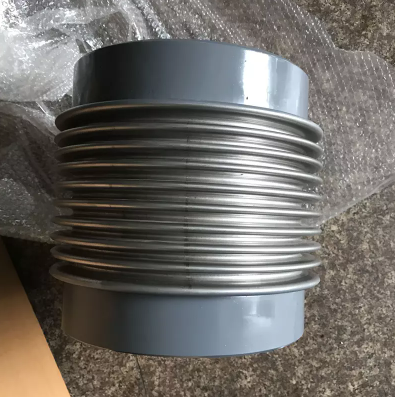
One of the most important roles of expansion joints is to accommodate thermal movement in pipes caused by temperature fluctuations. As materials heat up, they expand, and as they cool, they contract. Without expansion joints, pipes would be subjected to excessive pressure, leading to potential leaks or bursts. Expansion joints absorb this movement, preventing stress and damage to the pipes. By providing a flexible space for expansion and contraction, these joints effectively minimize the risk of damage to critical components in piping systems.
In industrial systems, vibrations are common due to mechanical operations or external forces. These vibrations can cause significant wear and tear on pipes, joints, and machinery. Expansion joints help absorb these vibrations, ensuring smoother operations and preventing damage to the system. They also accommodate any misalignments that occur during system operation, ensuring that pipes remain properly aligned. This compensation helps reduce unnecessary stress on the system and prolongs the life of the equipment.
High-pressure environments, such as power plants or chemical processing facilities, place significant stress on pipes. Expansion joints, particularly metallic and PTFE types, are designed to withstand these harsh conditions while maintaining the integrity of the system. Their flexibility allows them to absorb the movement and thermal expansion that typically occurs under such extreme conditions, ensuring the system continues to operate smoothly without risking damage from excessive pressure or temperature fluctuations.
Expansion joints are used in many industries to improve system performance, reduce wear and tear, and ensure operational efficiency. Let’s look at some of the critical applications across various sectors:
Expansion joints play a pivotal role in power plants, particularly in steam and gas turbines, where high temperatures cause significant thermal expansion. These joints help manage these movements and prevent potential damage to the piping systems that transport hot fluids. Without expansion joints, the pipes would be at risk of buckling or cracking, leading to costly repairs and system shutdowns.
In chemical plants, expansion joints are essential for handling corrosive fluids and extreme temperatures. PTFE expansion joints are particularly useful in such settings, offering resistance to both chemicals and high temperatures, ensuring a safe and efficient flow of materials. These joints are often used in highly corrosive environments, where other materials may fail due to degradation.
In HVAC systems, expansion joints help manage the movements of pipes and ducts, reducing stress on the components and preventing system failures. By absorbing vibrations, these joints also help reduce noise, which is crucial in maintaining a comfortable working environment. They also help in accommodating the expansion and contraction of piping systems due to temperature changes, thus ensuring optimal performance of the HVAC system.
In the oil and gas sector, pipelines must endure high pressure and extreme temperatures. Expansion joints are critical in ensuring the integrity of pipelines, preventing leaks, and reducing the risk of system failure under challenging operational conditions. These joints provide the flexibility required to absorb movement without compromising the strength of the pipeline.
In water treatment plants, pipes must endure constant pressure fluctuations due to changes in flow rates and operational conditions. Expansion joints help manage these fluctuations, preventing stress on the system and ensuring a smooth flow of water through the facility. By reducing the wear and tear on the pipes, expansion joints extend the life of the system and minimize the risk of unexpected breakdowns.
For more detailed insights into how expansion joints perform in various pipeline environments, check out this article.
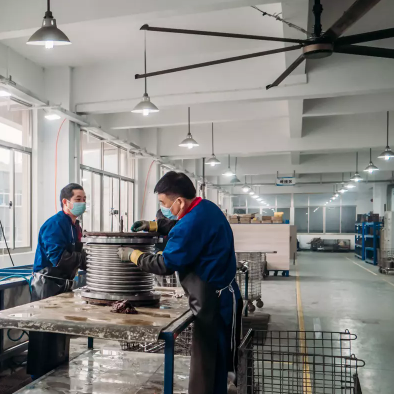
Expansion joints are essential for preventing equipment failure by effectively absorbing the stresses caused by thermal expansion, vibrations, and mechanical misalignments. These components act as flexible buffers that mitigate the forces placed on critical machinery and piping. By absorbing the impact of temperature fluctuations and mechanical forces, expansion joints help prevent leaks, cracks, or ruptures that could lead to costly repairs and downtime. This proactive approach not only ensures continuous, smooth operation but also protects the integrity of the entire system. In turn, companies can avoid unexpected shutdowns and emergency repair costs, ultimately improving productivity and operational efficiency.
The longevity of industrial systems heavily depends on how well they can manage mechanical stresses and environmental factors like temperature changes. Expansion joints help extend the life of pipes, machinery, and other components by reducing wear and tear caused by constant movement. These joints absorb thermal expansion, contraction, and vibrations, preventing excessive stress on system parts that would otherwise lead to material fatigue. By minimizing the mechanical strain, expansion joints enable systems to operate at their peak performance levels for extended periods, which in turn reduces the frequency of system replacements and costly overhauls. This means lower capital expenditure for companies and more reliable, long-term system performance.
One of the most significant benefits of expansion joints is their ability to reduce overall maintenance costs. When correctly selected and regularly maintained, expansion joints prevent costly damage that would otherwise lead to frequent repairs or replacements of pipes and other system components. By mitigating the effects of thermal expansion, vibration, and misalignment, expansion joints help reduce the strain on the system, making it less prone to wear. They help maintain the system’s structural integrity, ensuring that critical parts stay intact and operational. With reduced stress and wear, companies can avoid emergency maintenance and costly repairs, resulting in significant savings over the life of the system. Additionally, regular inspection and maintenance of expansion joints help extend their lifespan, offering even more cost savings by lowering the frequency of replacements.
| Advantage | Impact on System | Long-term Benefit |
|---|---|---|
| Preventing Equipment Failure | Reduces the risk of damage and leaks | Minimizes downtime and repair costs |
| Enhancing System Longevity | Extends the life of pipes and machinery | Saves on replacement costs |
| Reducing Maintenance Costs | Lowers the need for emergency repairs | Reduces unexpected downtime |
The environment in which an expansion joint will be used greatly influences the material and design selection. For example, high-pressure systems may require metallic expansion joints, while chemical plants may benefit from PTFE-based joints for their chemical resistance. Understanding the operating conditions is essential to choosing the right type of expansion joint that will perform reliably under specific circumstances.
The amount of movement expected in the system is crucial when selecting an expansion joint. Joints must be able to accommodate the specific type of movement—whether thermal expansion, vibrations, or misalignment—without compromising the system’s integrity. Properly sized and designed joints will effectively absorb these movements, ensuring the system operates smoothly.
Depending on the application, expansion joints may need additional features. For example, some systems may require joints that reduce noise or provide effective sealing to prevent leaks. It's important to consider these needs when selecting the appropriate joint type. For instance, noise-dampening rubber joints may be more suitable for HVAC systems, while high-temperature metallic joints are ideal for power generation plants.
Regular inspections are essential to ensure that expansion joints continue to function as intended. Timely replacement of damaged or worn-out joints helps avoid unexpected failures that could disrupt operations. Inspections should focus on identifying signs of wear, such as cracks, discoloration, or leakage.
Early signs of wear and tear, such as cracks, discoloration, or leaks, indicate that the expansion joint may need to be replaced. Inspecting joints regularly can help identify these issues before they cause system failure. Timely action can prevent costly emergency repairs and extended downtimes.
| Sign of Wear and Tear | What It Indicates | Action Required |
|---|---|---|
| Cracks | Possible material fatigue or overexposure | Replace the joint |
| Discoloration (whitening) | Potential hotspots or chemical damage | Inspect for damage |
| Leaks | Seal failure or material degradation | Replace immediately |
| Exposed Fabric | Possible wear due to vibrations or heat | Inspect for structural integrity |
Proactively replacing worn expansion joints during scheduled downtime helps avoid emergency repairs and reduces overall maintenance costs. Planning for regular maintenance ensures that systems remain operational and efficient. By addressing issues early, companies can avoid the significant costs associated with unplanned system failures.
Expansion joints are essential for maintaining the safety, efficiency, and longevity of industrial systems. They absorb movement, prevent damage, and reduce stress on pipes and machinery, ensuring smooth operations. Proper selection, installation, and maintenance are critical to avoiding costly repairs and minimizing downtime. With proper care, expansion joints provide significant benefits in operational efficiency and cost savings. YDCT offers innovative solutions that enhance system longevity and performance, ensuring that your operations run smoothly and efficiently. Their products are designed to provide exceptional value by addressing the unique needs of industrial systems.
A: An expansion joint is a flexible component used in piping systems to absorb thermal expansion, vibrations, and misalignment. It helps prevent damage, leaks, and system failures, ensuring the longevity and efficiency of industrial systems.
A: Expansion joints accommodate thermal expansion, contraction, and vibrations, allowing pipes and machinery to move without causing stress or damage. This helps maintain system integrity, particularly in high-pressure or high-temperature environments.
A: Industrial systems experience constant movement due to temperature fluctuations, mechanical stress, and vibrations. Expansion joints are essential to absorb these forces, preventing cracks, leaks, and system failure, thus extending the life of the system.
A: Expansion joints provide key benefits such as preventing equipment failure, reducing maintenance costs, enhancing system longevity, and minimizing downtime. They help maintain smooth operation by absorbing stress and movement.
A: The selection depends on factors like temperature, pressure, chemical exposure, and the type of movement in your system. Properly matching the joint type to these conditions ensures optimal performance and longevity of the system.