
Metal Expansion Joints: Benefits And Applications in Industry
Introduction
Have you ever wondered how industrial systems handle constant temperature fluctuations without failing? Metal expansion joints are the unsung heroes, absorbing thermal expansion, vibrations, and mechanical stress to prevent costly damage.
In this article, we will explore the importance of metal expansion joints in industrial piping systems. You will learn how they maintain system integrity, enhance reliability, and extend the lifespan of vital equipment. We will also discuss their applications and benefits in various industries, helping you understand why they are essential for modern industrial systems.
Understanding Metal Expansion Joints: Function, Importance, and Benefits
Overview
Metal expansion joints, often referred to as compensators, serve as flexible connectors used in various industries. They accommodate stresses and movements caused by temperature fluctuations, vibrations, and shifts in mechanical load. Their ability to handle axial, lateral, and angular movements makes these joints indispensable in maintaining the integrity of piping systems. Without them, system misalignments and mechanical stress could lead to failure. Flexible connectors like these are essential in industries where even minor errors in alignment can result in catastrophic outcomes.
Importance
In many industrial systems, metal expansion joints play a crucial role in preventing damage caused by thermal expansion. This is particularly important in environments that experience frequent and extreme temperature fluctuations. As pipelines expand and contract with temperature changes, the joints absorb these movements, safeguarding the integrity of the entire system. Not only do they protect the system from thermal stress, but they also reduce strain on other components, preventing premature wear and extending the operational life of equipment. Thus, these joints are foundational to ensuring both the safety and efficiency of industrial operations.
Key Benefits
The use of metal expansion joints provides several significant advantages:
Enhanced system reliability: By absorbing thermal and mechanical stresses, these joints protect vital equipment, ensuring continuous operation without unexpected failures.
Cost efficiency: The ability to extend the lifespan of pipes and reduce maintenance costs is one of the main benefits. Metal expansion joints prevent stress-induced damage that could otherwise lead to costly repairs or replacements.
Flexibility: These connectors adapt to varying movements within the system, ensuring smooth operation even under challenging conditions.
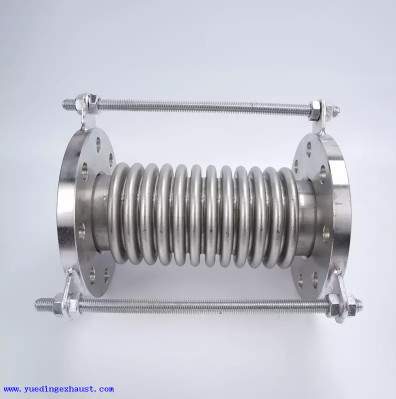
Understanding the Function and Design of Metal Expansion Joints
Definition and Core Function
A metal expansion joint is specifically engineered to absorb forces caused by thermal expansion, vibrations, and mechanical shifts. When pipelines or ducts experience temperature changes, they expand and contract. The metal expansion joint accommodates these movements, preventing stress from transferring to the rest of the system. This function is critical in applications where temperature variations are common, such as in power plants or chemical processing facilities.
These joints are constructed from durable metals such as stainless steel, which provides long-lasting flexibility even under high temperatures and pressures. The bellows, the flexible element of the joint, are designed to compress or extend as needed, absorbing axial (lengthwise), lateral (sideways), and angular (rotational) movements that occur within the system.
Components and Construction
Metal expansion joints consist of several essential components:
Bellows: The flexible core component, made from high-strength metal, is designed to compress and expand as the system undergoes thermal changes.
Tie rods and flanges: These components provide support to the bellows, maintaining stability while allowing for necessary movement under pressure.
Connectors: They secure the joint to the system, ensuring that it remains attached while still permitting the required movement.
Materials like stainless steel and Inconel are selected for their resistance to corrosion, high pressure, and extreme temperatures, ensuring that metal expansion joints perform effectively even in harsh environments. Such materials guarantee that the joints will function reliably, whether they are exposed to chemical agents, extreme heat, or pressure fluctuations.
Types of Movements Accommodated
Metal expansion joints are designed to handle three main types of movement:
Axial movement: This involves lengthwise expansion or contraction along the pipeline axis. It’s the most common type of movement seen in thermal systems.
Lateral movement: Side-to-side displacement often occurs when external forces or shifts cause the pipes to move horizontally.
Angular movement: This movement happens when the pipes rotate or bend in different planes, which is common in systems subjected to rotational forces.
Each movement type serves a distinct purpose in maintaining the stability of the system. The flexibility of metal expansion joints allows them to adapt to various combinations of these movements, making them ideal for a wide range of industrial applications.
| Type of Movement | Description | Common Use Case |
|---|---|---|
| Axial Movement | Lengthwise expansion or contraction along the pipeline axis. | Thermal expansion in steam pipelines. |
| Lateral Movement | Side-to-side displacement of the system, typically due to external forces. | Pipe shifting or external forces acting on systems. |
| Angular Movement | Rotation or bending of pipes, typically caused by rotational forces or shifts in position. | Aircraft ducting and high-vibration systems. |
Different Types of Metal Expansion Joints and Their Uses
Single Bellows Expansion Joints
The single bellows expansion joint is the simplest form, consisting of one flexible bellows. This type is primarily used in systems where only axial (lengthwise) movement is expected. For example, steam pipelines or high-temperature fluid systems commonly utilize single bellows expansion joints to accommodate thermal expansion. These joints are efficient for handling straightforward, linear movement, though they are limited to specific applications.
Universal Expansion Joints
These joints combine axial, lateral, and angular movement capabilities, making them ideal for dynamic environments where multiple types of movement are likely to occur. These joints are commonly found in industrial systems, such as petrochemical plants and power plants, where pipes experience complex movement patterns. Their ability to absorb multiple movements simultaneously makes them indispensable in these industries.
Gimbal Expansion Joints
Gimbal expansion joints are specifically designed to handle angular movements in multiple directions. These joints are often used in systems that experience complex, multi-directional movements, such as in aircraft ducting or high-vibration environments. The gimbal mechanism allows for multi-plane movement, which ensures that these joints provide the necessary flexibility in high-stress applications where other joints may fail to perform adequately.
Key Industries Where Metal Expansion Joints Are Critical
Power Plants
In power plants, metal expansion joints are critical for managing thermal expansion in high-pressure steam pipelines. As steam passes through turbines or boilers, the temperature variations cause the pipes to expand and contract. Metal expansion joints absorb these movements, preventing pipe failure and maintaining system efficiency. They are commonly used in turbines, heat recovery steam generators (HRSG), and exhaust systems, where high thermal cycles are common.
Oil & Gas
The oil and gas industry depends heavily on metal expansion joints to handle pressure fluctuations in pipelines that are subject to extreme temperature variations. These joints absorb the mechanical movements resulting from pumping operations, preventing pipe rupture or leakage in critical systems. Oil pipelines, particularly those used in offshore drilling, are highly susceptible to both thermal expansion and mechanical stress due to shifting ground conditions and fluctuating fluid pressures.
For more on how these solutions perform in harsh industrial environments, explore this specialized case study on expansion joint bellows used in mining sites.
Chemical Processing and Petrochemical Facilities
In chemical plants, metal expansion joints play an essential role in ensuring system safety in corrosive environments. These joints help absorb movements caused by temperature shifts, protecting pipes and other components in systems that transport hazardous chemicals. They are commonly used in reactors, heat exchangers, and scrubbers, where harsh chemicals and high temperatures pose significant risks to system integrity.
| Industry | Role of Metal Expansion Joints |
|---|---|
| Power Plants | Manage thermal expansion in steam pipelines, ensuring system efficiency and preventing pipe failures. |
| Oil & Gas | Absorb pressure fluctuations and mechanical movements in pipelines to prevent ruptures and leaks. |
| Chemical Processing | Protect pipes in corrosive environments by absorbing thermal shifts and preventing system breakdowns. |
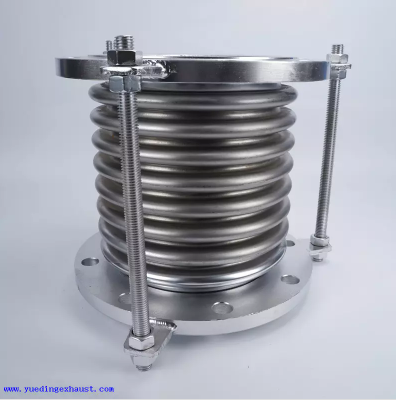
The Key Benefits of Using Metal Expansion Joints in Industrial Systems
Enhanced Durability
Metal expansion joints are engineered to provide long-lasting performance in harsh industrial environments. Crafted from high-quality materials such as stainless steel, they offer exceptional resistance to corrosion, extreme temperatures, and mechanical wear. This durability ensures that piping systems remain operational over long periods without the need for frequent repairs or replacements. When properly installed and maintained, metal expansion joints can extend the lifespan of an entire system by decades, reducing the overall operational costs. Furthermore, their ability to withstand environmental stress minimizes the risk of failures, leading to less downtime and fewer interruptions in production.
Flexibility in System Design
One of the most significant advantages of metal expansion joints is their inherent flexibility, which allows them to accommodate a wide variety of movements. These movements include axial, lateral, and angular shifts, all of which occur due to thermal expansion, vibration, and mechanical forces within a system. The ability to absorb such movements without compromising the integrity of the piping system is essential in industries where precise alignment and continuous operation are critical. This flexibility allows engineers to design more complex and dynamic systems, such as in power plants, chemical processing, or aerospace industries. The versatility of metal expansion joints means they can be used in everything from simple residential heating systems to intricate industrial applications, ensuring smooth operation even under the most demanding conditions.
Cost-Effectiveness
By significantly reducing maintenance requirements and extending the operational life of pipelines, metal expansion joints provide substantial cost savings over time. They minimize the need for frequent repairs caused by stress-induced damage, which can be costly and disruptive. These joints also help prevent the premature failure of other system components, such as valves, pumps, and compressors, by mitigating the effects of thermal expansion and vibrations. As a result, companies benefit from lower repair and replacement costs, as well as reduced downtime for system maintenance. The long-term durability and flexibility of metal expansion joints make them a highly cost-effective solution for industries looking to improve their bottom line while maintaining reliable, efficient operations.
| Key Benefit | Description |
|---|---|
| Enhanced System Reliability | Absorbs thermal and mechanical stresses, ensuring system operation without unexpected failures. |
| Cost Efficiency | Extends the lifespan of pipes and reduces maintenance costs by preventing damage that leads to repairs. |
| Flexibility | Adapts to varying movements within systems, ensuring smooth operation under challenging conditions. |
Proper Installation and Maintenance Practices for Metal Expansion Joints
Installation Tips
Proper installation is crucial to the performance of metal expansion joints. Misalignment or inadequate anchoring can lead to premature failure. Ensuring that the expansion joints are installed correctly, with the appropriate movement allowances and aligned with the system’s specifications, is vital for maximizing their lifespan. Regular training for installation personnel ensures that the joints will function effectively and continue to perform as expected.
Regular Inspection and Maintenance
Routine inspections are vital to ensuring the continued effectiveness of metal expansion joints. Look for signs of wear, cracks, or leakage, especially in high-stress areas like steam pipelines or exhaust systems. Regular maintenance schedules should align with system operation cycles to ensure that the joints are functioning optimally throughout their service life.
Preventive Measures for Longevity
To extend the lifespan of metal expansion joints, avoid over-extension or over-compression, as this can lead to premature failure. Protective covers can help prevent damage from external contaminants, further prolonging the joint's service life. In addition, periodic inspections should be performed to ensure that corrosion or wear is detected before it causes significant damage.
Conclusion
Metal expansion joints are essential for the reliability and longevity of industrial piping systems. They effectively manage thermal expansion, vibrations, and mechanical movements, preventing equipment damage and reducing maintenance costs. As industries grow and systems become more complex, the demand for flexible, durable components like these will continue to rise.
Metal expansion joints improve system reliability, extend equipment life, and reduce costs by preventing failures in piping systems. They are crucial in ensuring safe and efficient operations across various industrial applications. As industrial operations evolve, the role of metal expansion joints will remain significant. With advancements in materials and design, they will continue to meet the increasing demands of modern industries.
YDCT offers high-quality metal expansion joints that provide durability and reliability for critical piping systems. Their innovative products ensure enhanced performance and value, helping industries operate smoothly and efficiently.
FAQ
Q: What is a Metal Expansion Joint?
A: A Metal Expansion Joint is a flexible connector used in piping systems to absorb thermal expansion, vibrations, and mechanical movements, preventing damage to equipment.
Q: How does a Metal Expansion Joint work?
A: Metal Expansion Joints absorb axial, lateral, and angular movements in pipes, reducing stress and maintaining system integrity, especially in high-pressure environments.
Q: Why are Metal Expansion Joints important for industrial systems?
A: Metal Expansion Joints prevent damage from thermal stress and mechanical movements, ensuring system reliability and reducing maintenance costs in industries like power plants and chemical processing.
Q: What are the advantages of using a Metal Expansion Joint?
A: Metal Expansion Joints extend equipment life, improve system efficiency, and reduce maintenance costs by absorbing movements that would otherwise damage pipes or connected equipment.
Q: How do Metal Expansion Joints help prevent failures in piping systems?
A: By absorbing thermal expansion and mechanical stresses, Metal Expansion Joints prevent pipe damage, reducing the risk of costly failures and extending the lifespan of the entire system.
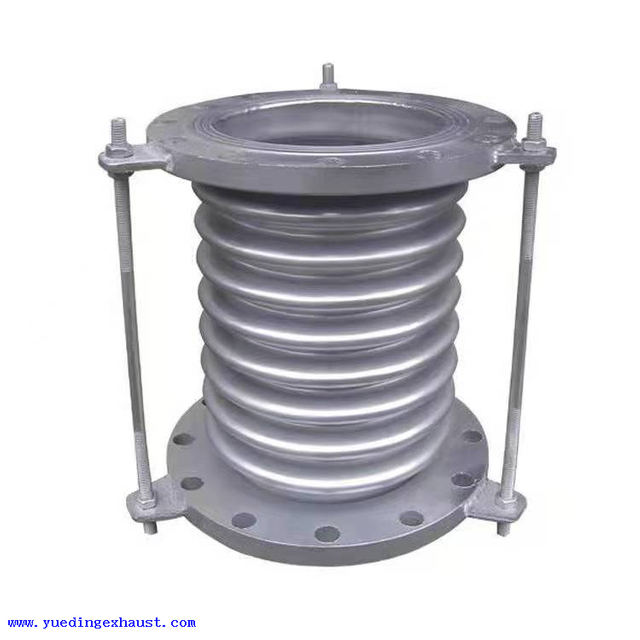
YUEDING EXHAUST
Professional manufacturing of stainless steel exhaust flexible connection components, certified under ISO and IATF systems, with stable exports to more than 100 countries, batch production combined with standard size stock, supporting detail and packaging customization, aiming to provide you with a more efficient and more predictable integrated supply solution.
Reliable Delivery
Not just speed, but stable production planning, inventory, and batch shipping, ensuring consistent delivery.

Factory Direct
Production, inspection, and packaging are integrated, with drawings going directly into production, making cost and process more transparent.

One-Stop
One system covers flex pipes, clamps, and related products, reducing switching and simplifying the process from samples to mass production.

