
What Is The Function of The Bellows in A Car?
Automotive bellows are crucial components designed to enhance vehicle performance and comfort. These flexible, corrugated structures serve multiple functions, including absorbing shocks, managing vibrations, and ensuring the safe flow of fluids within various systems. By adapting to movements and temperature changes, bellows protect connected parts from damage and contribute to the overall reliability of the vehicle. Understanding the role of bellows is essential for appreciating their importance in maintaining smooth and efficient automotive operation.
Definition and Function of Automotive Bellows
Understanding the Structure of Bellows
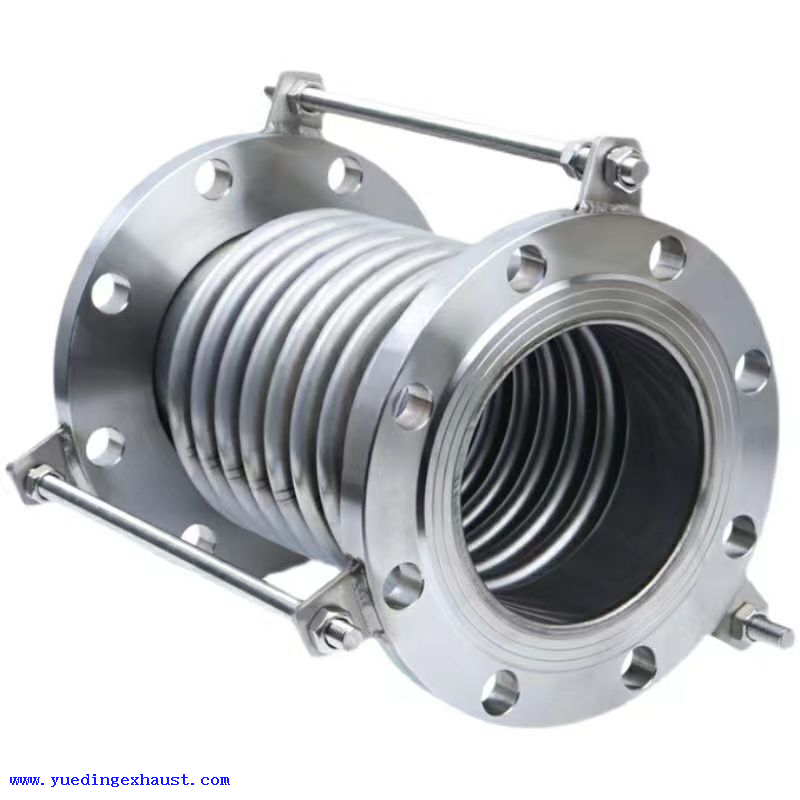
Automotive bellows are flexible pipes featuring a corrugated design. This structure allows them to bend easily without breaking. They are mainly made from metal or rubber materials, chosen for their strength and flexibility. The corrugations create multiple folds, which give bellows the ability to stretch and compress. This design helps them handle movements and vibrations in vehicles. The structure also includes the number of corrugated layers, the shape of the folds, and how the bellows connect to other parts. These factors vary depending on the system's needs.
Key Functions: Compensation and Shock Absorption
One of the main roles of bellows is to absorb shocks and compensate for movements. Cars face many vibrations from the engine and uneven roads. Bellows act like cushions, reducing these impacts. They help protect other parts from damage caused by constant shaking or pressure changes. This function improves ride comfort and extends the life of connected systems.
Role in Fluid Guidance and Discharge
Bellows guide various fluids through the vehicle. They carry fuel, coolant, exhaust gases, and other liquids safely between parts. Their flexible nature allows them to maintain a tight seal, preventing leaks during movement. This ensures smooth flow and proper connection between different systems. For example, in the fuel system, bellows adapt to pressure changes to keep fuel flowing steadily.
Expansion and Contraction Capabilities
Temperature changes cause parts of a vehicle to expand and contract. Bellows can stretch or shrink to handle these changes without damage. Their elasticity reduces stress on pipes and joints, preventing cracks or breaks. This is especially important in hot areas like the exhaust system, where temperatures can rise dramatically. By expanding and contracting freely, bellows maintain system integrity under extreme conditions.
Choosing bellows with the right structure and material ensures they handle specific vehicle stresses, improving durability and system performance.
Types of Automotive Bellows
Automotive bellows come in several types, each designed to meet specific needs in a vehicle. The main types are metal bellows, rubber bellows, and composite corrugated pipes. Each has unique characteristics and applications.
Metal Bellows: Characteristics and Uses
Metal bellows are usually made from stainless steel, copper, or aluminum. These metals give them high strength and corrosion resistance. Metal bellows handle high pressure and temperature well, making them ideal for exhaust, cooling, and fuel systems. Their durability means they can withstand harsh conditions, such as heat from exhaust gases or pressure changes in fuel lines. They also resist damage from chemicals and road debris.
Rubber Bellows: Features and Applications
Rubber bellows are flexible and have excellent sealing properties. They absorb shocks and vibrations better than metal ones, which makes them perfect for suspension, braking, and air conditioning systems. Rubber bellows protect joints and moving parts from dust, dirt, and moisture. They also handle temperature changes, although not as extreme as metal bellows. Because they are softer, rubber bellows improve ride comfort by cushioning impacts from rough roads.
Composite Corrugated Pipe: Advantages
Composite corrugated pipes combine metal and rubber benefits. They offer high strength, wear resistance, and corrosion resistance. These pipes work well in high-temperature and high-pressure environments where both flexibility and durability matter. They are often used in systems requiring both shock absorption and resistance to harsh conditions, such as advanced cooling and fuel delivery systems.
Selecting the right type of bellows depends on the system’s temperature, pressure, and flexibility needs to ensure long-lasting and reliable vehicle performance.
Applications of Automotive Bellows
Automotive bellows serve many critical roles across various vehicle systems. Their flexibility, durability, and ability to absorb shocks make them indispensable in maintaining smooth, safe, and efficient operation.
Exhaust System: Noise and Vibration Reduction
Metal bellows often connect the muffler to the exhaust pipe. They absorb vibrations generated by engine operation, preventing these vibrations from traveling through the exhaust system. This reduces noise and protects exhaust components from damage caused by constant shaking. Their flexibility also helps manage thermal expansion, preventing cracks from heat-induced stress. Overall, bellows extend exhaust system life and improve driver comfort by lowering noise levels.
Cooling System: Pressure Fluctuation Management
Rubber bellows link water pipes in the cooling system. They absorb expansions and contractions caused by temperature changes in the engine coolant. This cushioning effect reduces pressure spikes that could damage pipes or joints. By managing these fluctuations, bellows help maintain consistent coolant flow and system reliability.
Fuel System: Adapting to Pressure Changes
In fuel delivery pipelines, metal bellows adjust to pressure variations and vibrations. They ensure fuel flows steadily despite engine movement or road conditions. This adaptability prevents leaks and maintains optimal fuel supply, which is vital for engine performance and safety.
Suspension System: Enhancing Stability and Comfort
Rubber bellows connect shock absorbers in the suspension system. They absorb bumps and vibrations from uneven roads, protecting suspension components and improving ride comfort. Their shock-absorbing nature helps maintain vehicle stability, making driving smoother and safer.
Braking System: Reliability and Safety
Bellows made of metal are used in brake hoses. They withstand high-pressure fluids and temperature changes during braking. This durability ensures brake fluid moves reliably through the system, maintaining braking performance and safety under demanding conditions.
Air Conditioning System: High Temperature Adaptation
Rubber bellows connect coolant pipes in air conditioning systems. They adapt to high temperatures and pressures, ensuring the system operates smoothly without leaks. This flexibility supports consistent cooling performance and protects components from thermal stress.
When selecting bellows for automotive systems, consider the specific environmental stresses like temperature, pressure, and vibration to choose the right material and design for maximum durability and performance.
Importance of Automotive Bellows
Automotive bellows play a crucial role in ensuring vehicle systems work smoothly and reliably. Their unique design and materials help them handle tough conditions while protecting other components. Here’s why bellows are so important in cars:
Preventing Leakage
Bellows provide a tight seal between parts, stopping liquids or gases from leaking. This sealing ability keeps fluids like fuel, coolant, and exhaust gases contained within their systems. Without bellows, leaks could cause system failures or safety hazards. Their flexibility ensures seals hold firm even when parts move or vibrate.
Shock Absorption and Noise Reduction
Cars constantly face vibrations from engines, rough roads, and moving parts. Bellows act like cushions that absorb these shocks. This reduces wear on pipes, joints, and other components. By dampening vibrations, bellows also cut down noise, making rides quieter and more comfortable. This improves both vehicle durability and driver experience.
Withstanding Pressure
Automotive systems often operate under high pressure, such as fuel lines or brake hoses. Bellows are built to resist deformation and stress caused by these pressures. Their corrugated structure distributes forces evenly, preventing cracks or ruptures. This strength helps maintain system safety and performance under demanding conditions.
Adapting to Temperature Changes
Engines and exhaust systems reach high temperatures that cause parts to expand or contract. Bellows can stretch or compress to handle these changes without damage. Their elasticity prevents stress buildup that could lead to cracks or leaks. This adaptability is vital in hot areas, ensuring components last longer and work reliably.
Ensuring System Connection
Bellows connect different parts of a vehicle’s systems, allowing smooth transfer of fluids and gases. Their flexibility accommodates movements between connected components, preventing rigid connections from breaking. This keeps systems coordinated and functioning properly, even when the vehicle is in motion or under stress.
When selecting bellows for automotive applications, prioritize materials and designs that match system pressures, temperatures, and movement ranges to maximize durability and prevent failures.
Exhaust Bellows: Specific Roles and Benefits
Vibration Absorption in Exhaust Systems
Exhaust bellows play a crucial role in absorbing vibrations generated by the engine. Engines produce constant vibrations during operation, which can cause stress and damage to rigid exhaust pipes. The flexible, corrugated structure of bellows acts like a shock absorber, cushioning these vibrations. This reduces wear and tear on exhaust components, preventing premature cracking or breaking. Without bellows, vibrations would travel through the exhaust system, leading to noisy, uncomfortable rides and costly repairs.
Managing Thermal Expansion
Exhaust systems face extreme temperature changes. Hot exhaust gases can heat pipes to over 1,000 degrees Fahrenheit, causing metal parts to expand. When cooled, these parts contract. Bellows accommodate this expansion and contraction by stretching and compressing freely. This flexibility prevents thermal stress from building up, which could otherwise cause cracks or leaks. Bellows ensure the exhaust system maintains its integrity despite these temperature swings.
Compensating for Misalignment
Over time, exhaust pipes may shift due to engine movement, road impacts, or wear. Bellows compensate for minor misalignments between exhaust components. Their flexibility allows pipes to move slightly without putting stress on flanges or joints. This helps maintain a tight seal and prevents leaks. Additionally, in events like minor collisions, bellows can absorb impacts, protecting sensitive parts such as the turbocharger from damage.
Reducing Noise and Emissions
By absorbing vibrations and dampening sound waves, exhaust bellows help reduce noise produced by the exhaust gases. This makes vehicle operation quieter and more comfortable. Furthermore, by maintaining a secure, leak-free exhaust path, bellows contribute to better control of emissions. Efficient exhaust flow prevents harmful gases from escaping prematurely, helping vehicles meet environmental regulations.
Enhancing Engine Performance
Proper exhaust flow is vital for engine efficiency. Bellows help maintain optimal backpressure by ensuring the exhaust system remains flexible and intact. This allows exhaust gases to exit smoothly, improving engine breathing and fuel efficiency. When exhaust systems function well, engines produce more power and consume less fuel. Bellows support this by preventing leaks, vibrations, and structural damage that could impair performance.
When selecting exhaust bellows, consider factors like operating temperature, vibration levels, and pipe alignment to ensure durability and optimal exhaust system performance.
Choosing the Right Bellows for Your Vehicle
Selecting the proper bellows is crucial for ensuring your vehicle’s systems perform well and last longer. Bellows come in different sizes, materials, and designs, so understanding what fits your needs makes a big difference.
Factors to Consider: Diameter, Length, Material
First, check the diameter and length of the bellows. These must match the pipes or hoses in your vehicle to ensure a tight fit and avoid leaks. Too small or too large, and the bellows won’t seal properly or could fail prematurely.
Material choice matters a lot. Metal bellows handle high heat and pressure, perfect for exhaust or fuel systems. Rubber bellows offer better flexibility and shock absorption, suited for suspension or air conditioning lines. Composite bellows combine benefits of both, ideal for demanding environments.
Standard vs. Performance Applications
For everyday driving, standard bellows made from common materials usually suffice. They provide reliable sealing, vibration absorption, and temperature adaptation for most vehicles.
Performance or heavy-duty vehicles may require specialized bellows. These often have reinforced materials or thicker walls to withstand higher pressures, temperatures, and stresses. For example, sports cars or trucks might use stainless steel bellows designed for extreme heat and vibration resistance.
Ensuring Compatibility and Optimal Performance
Always verify compatibility with your vehicle’s make and model. Consult manufacturer specifications or a trusted mechanic to select bellows that meet system requirements.
Proper installation is key. Incorrect fitting can cause leaks, noise, or damage. Ensure connections are secure and aligned to avoid stress on the bellows or adjoining parts.
Regular inspection helps catch wear or damage early. Replace bellows showing cracks, corrosion, or loss of flexibility to maintain system integrity.
When choosing bellows, prioritize size accuracy and material suitability to match your vehicle’s specific system demands for best durability and performance.
Conclusion
Automotive bellows play a vital role in vehicles by absorbing shocks, managing vibrations, and ensuring fluid flow. They are essential in systems like exhaust, cooling, and fuel, enhancing comfort and performance. Choosing the right bellows type and material is crucial for optimal vehicle functionality. Companies like Zhejiang Yueding Corrugated Tube Co., Ltd. offer high-quality bellows that withstand tough conditions, providing durability and reliability. Investing in the right bellows ensures smooth vehicle operation and extends system longevity.
FAQ
Q: What is an exhaust bellow in a car?
A: An exhaust bellow is a flexible, corrugated pipe in a car's exhaust system that absorbs vibrations and compensates for thermal expansion, ensuring smooth operation and reducing noise.
Q: How does an exhaust bellow improve vehicle performance?
A: An exhaust bellow enhances vehicle performance by maintaining optimal exhaust flow, reducing vibrations, and preventing leaks, which supports engine efficiency and reduces noise.
Q: Why are exhaust bellows important in cars?
A: Exhaust bellows are crucial because they absorb engine vibrations, manage thermal expansion, and prevent exhaust leaks, protecting system components and improving ride comfort.
Q: What factors affect the cost of exhaust bellows?
A: The cost of exhaust bellows depends on factors like material (metal or rubber), size, and specific vehicle requirements, with metal options typically being more expensive due to their durability.
About Yueding
YUEDING manufactures stainless steel exhaust flexible connectors, clamps, metal bellows, and selected automotive exhaust components under ISO and IATF quality systems. With in-house production, inspection, and packaging capabilities, we support bulk orders, standard-size inventory, and customized branding for global B2B customers.
Reliable Delivery
Stable production planning, standard-size inventory, and batch shipping support help make delivery more predictable.

Factory Direct
Production, inspection, and packaging are managed in-house, making communication, quality control, and customization more efficient.

Integrated Supply
We supply flex pipes, clamps, metal bellows, and selected exhaust components to support related purchasing needs from one manufacturer.

