
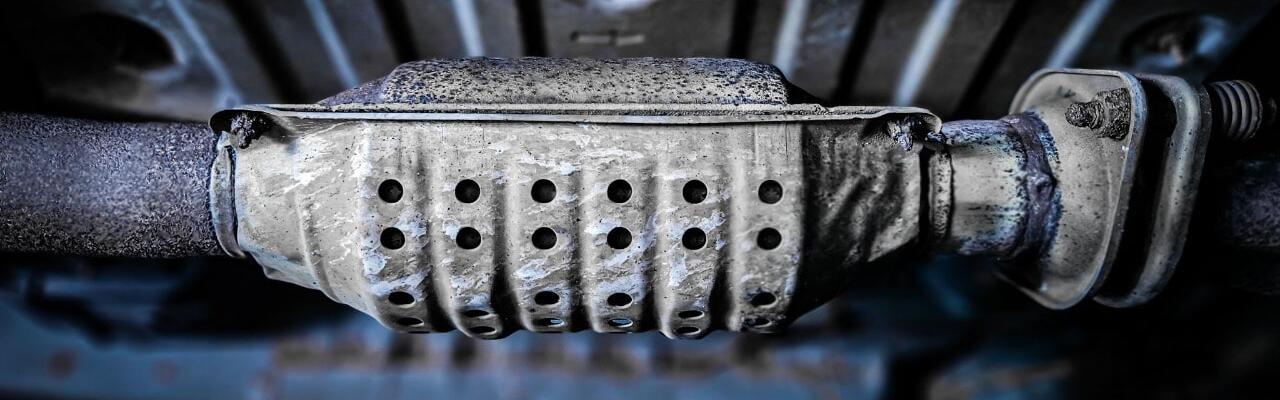
Catalytic Converters
Looking for a manufacturer that can reliably supply catalytic converters in volume? Yueding offers universal, replacement, and other automotive catalytic converters across multiple engine capacities and pipe size combinations, with consistent batch quality and stable supply for ongoing purchasing and replenishment across global automotive aftermarket channels.
Catalytic Converters & Catalyst Products
Yueding’s catalyst product range includes complete catalytic converters, ceramic and metallic catalyst cores, and honeycomb substrates, along with universal, direct-fit, and manifold-integrated designs. Each series differs in installation method, substrate structure, and application, giving you a clearer way to identify the product direction that matches your project.
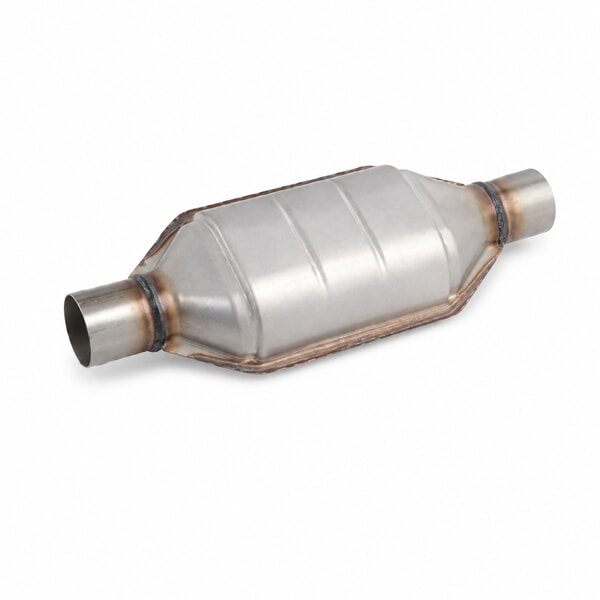
Universal Catalytic Converters
Available in multiple body sizes, engine capacity ranges, and inlet/outlet diameters for different exhaust layouts. Selected models include O2 sensor ports, and catalyst configurations can be matched to different market and emissions requirements.
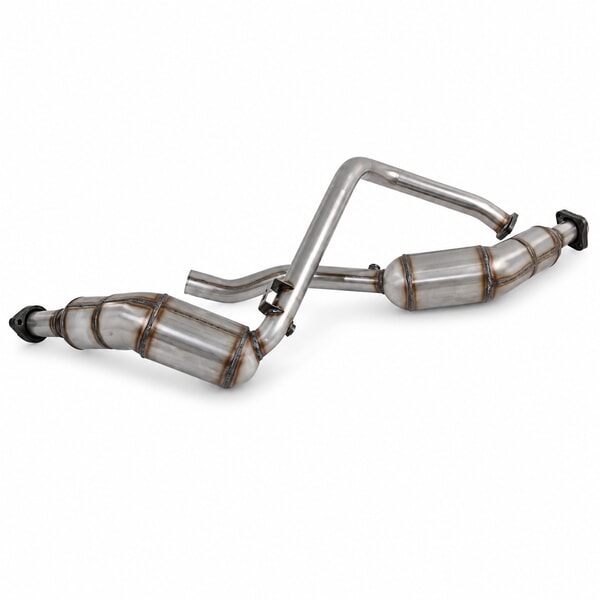
Direct-Fit Catalytic Converters
Designed around vehicle-specific exhaust layouts and OE reference information. Flanges, pipe routing, and mounting positions follow the original installation structure, while selected models also include corresponding brackets or sensor fittings to reduce extra pipe modification during replacement.
Send Inquiry
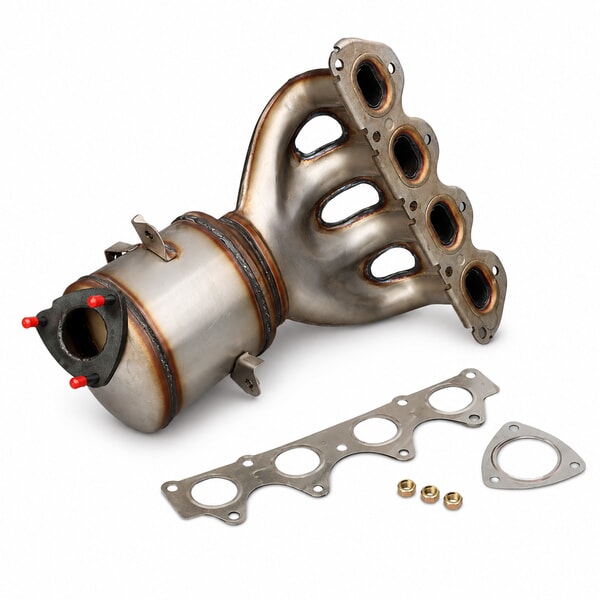
Manifold Converters
Catalytic converters integrated with the exhaust manifold in one assembly, mainly for vehicle-specific applications close to the engine. Each model is matched around the manifold flange, sensor position, and pipe layout required by the original exhaust structure.
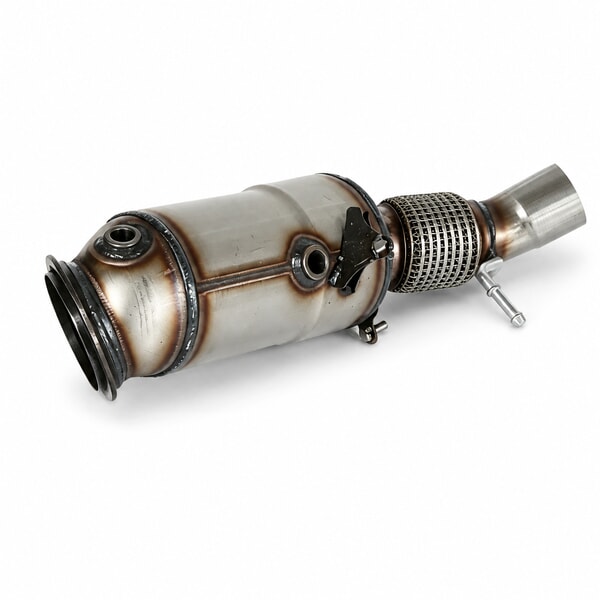
Three-Way Catalytic Converters
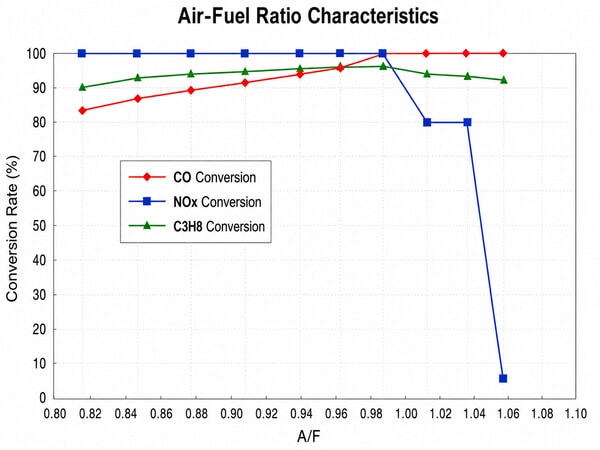
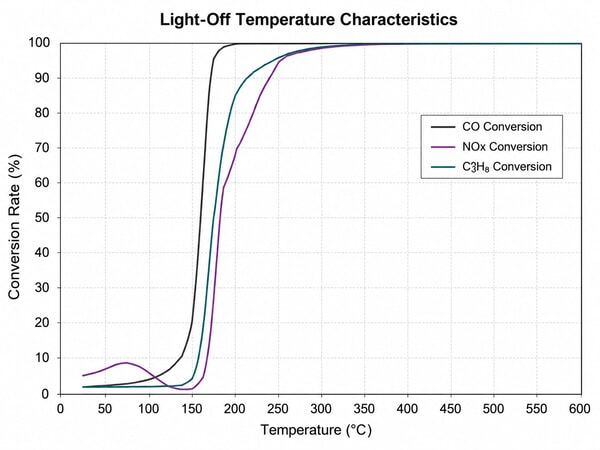
Designed mainly for gasoline-engine emission control, helping convert HC, CO, and NOx through a three-way catalyst system. Catalyst configurations can be matched according to engine capacity, substrate structure, and target emissions requirements.
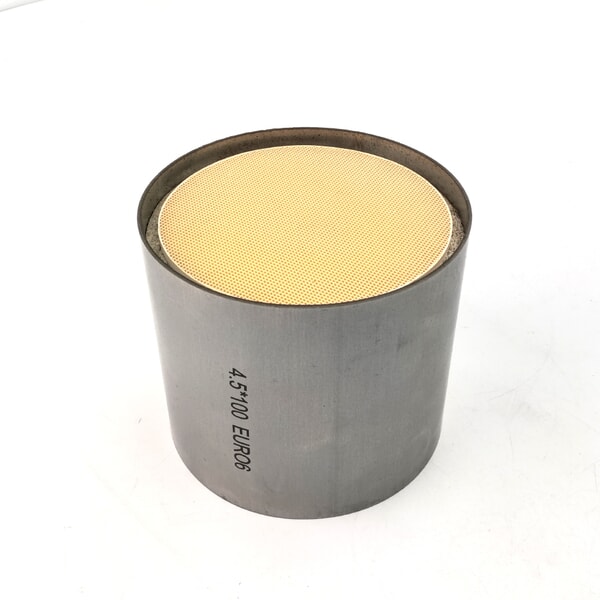
Ceramic Catalysts
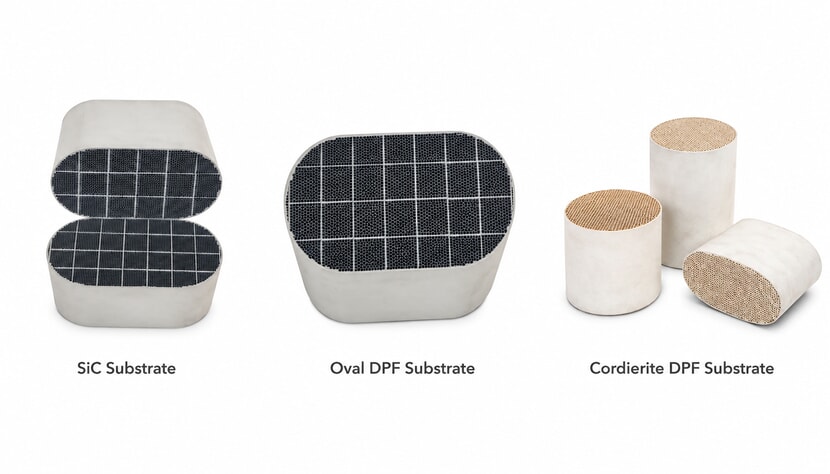
Catalyst cores based on ceramic honeycomb substrates for automotive catalytic converters and other exhaust-treatment components. Different core sizes, shapes, and honeycomb specifications can be combined with suitable catalyst configurations for subsequent canning and emission-control applications.
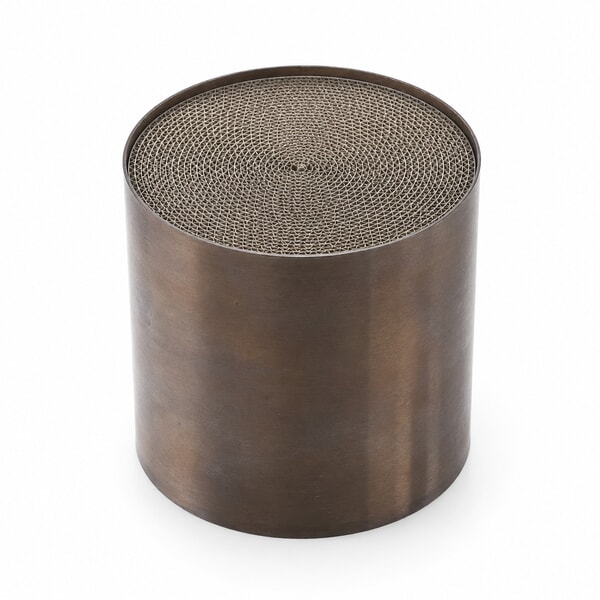
Metallic Catalysts
Catalyst cores built around metallic honeycomb substrates and available in different sizes and structures. Metallic substrates can be combined with suitable catalyst coatings for exhaust applications with different core, space, and substrate requirements.
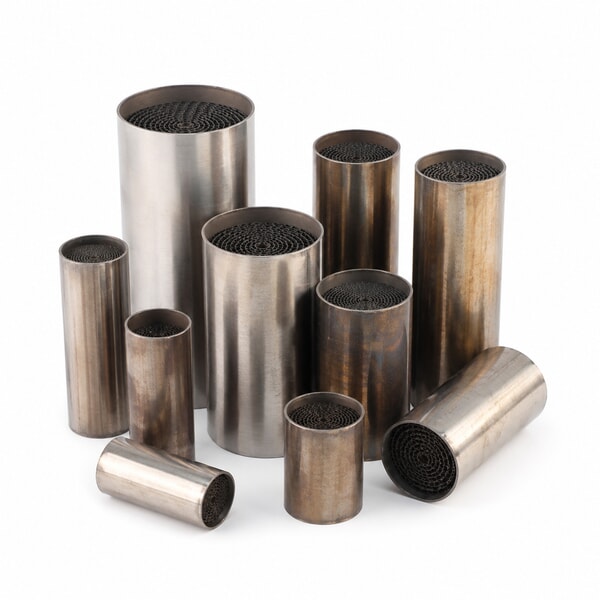
Motorcycle Catalysts
Compact catalyst cores for motorcycle exhaust systems, available with ceramic or metallic honeycomb structures. Different sizes can be matched to the limited space inside exhaust pipes, mufflers, and catalyst chambers, with configurations selected around the relevant emissions requirements.
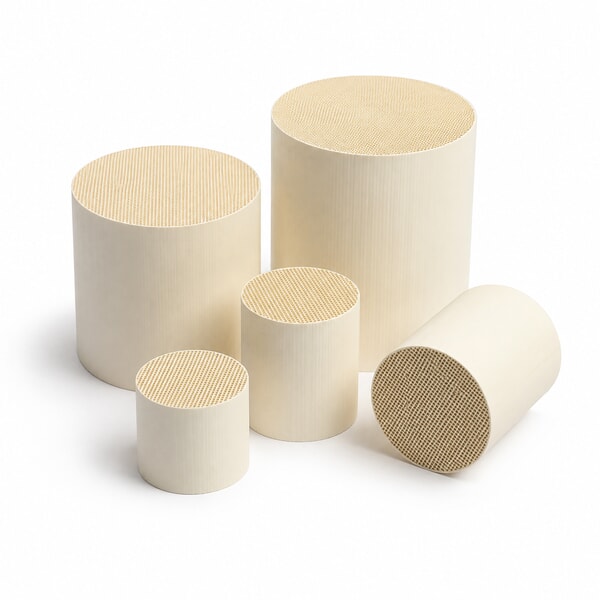
Catalytic Converter Substrates
Ceramic and metallic honeycomb substrates supplied as base components for catalyst coating, canning, and catalytic converter production. Different materials, shapes, dimensions, and honeycomb structures are available for further processing and configuration.

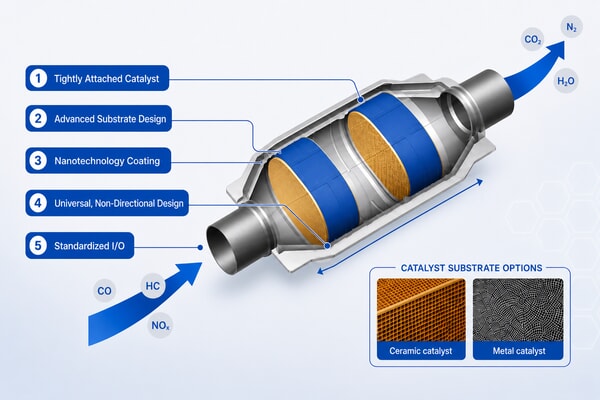
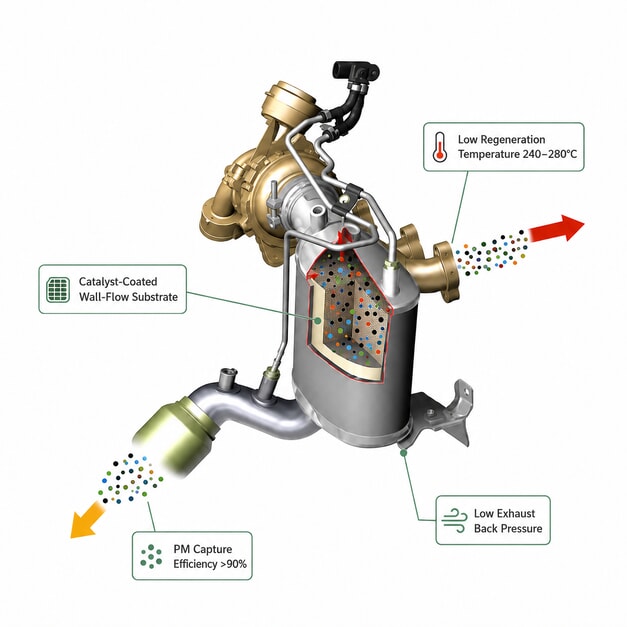
Automotive catalytic converters sit in the engine exhaust path and treat exhaust gases as they pass through an internal honeycomb catalyst. Catalytic coatings on the substrate promote the conversion of major pollutants such as HC, CO, and NOx before the gases continue through the downstream exhaust system. The converter is more than an empty metal shell—the internal substrate and catalyst configuration are what perform the actual catalytic reactions.
Complete automotive catalytic converters typically combine a metal housing, inlet and outlet sections, and an internal catalyst core, which may use either ceramic or metallic honeycomb substrates. Vehicle and project requirements can also differ in housing design, installation position, substrate structure, and catalyst configuration, so converters with similar dimensions or pipe sizes are not necessarily interchangeable.
How to Choose a Catalytic Converter
Choosing a catalytic converter involves more than matching the inlet and outlet diameters. Universal replacements, direct-fit converters, and manifold-integrated units follow different installation requirements, while similar external dimensions can still correspond to different engines, substrate structures, and catalyst configurations. Confirming the basic vehicle or project information first helps avoid repeated adjustments later in fitment, installation space, and emissions matching.
Existing converters, OE reference numbers, or vehicle information can be used to check the original installation layout first. Universal applications and new exhaust projects usually require a broader review of pipe size, available body space, engine capacity, and catalyst structure. The following points cover the main information typically needed when matching a suitable converter.
Fitment Type
Confirm whether the application requires a universal welded replacement, a vehicle-specific direct-fit converter, or a manifold-integrated design. Each installation type places different requirements on flanges, pipe routing, brackets, and on-site modification.
Engine & Application
Engine type, displacement, and application can affect converter size and catalyst configuration. Passenger vehicles, motorcycles, and gasoline engines with different displacements should not be matched by pipe diameter alone.
Inlet / Outlet & Installation Space
Check the inlet and outlet diameters together with overall length, body width, body height, and available installation space. Even when the pipe size matches, a universal converter may still be unsuitable if the body is too long or too large for the existing exhaust layout.
OE & Vehicle Reference
Vehicle-specific replacement normally requires the vehicle model, production year, engine information, and OE reference number. These details help confirm flange layout, sensor positions, and the original exhaust routing rather than relying on appearance alone.
Catalyst & Substrate Structure
Three-way catalyst configuration and ceramic or metallic substrate structure should be confirmed according to the application. Catalyst cores and honeycomb substrates may also require additional checks for shape, dimensions, and the intended canning or assembly method.
Emission Requirements
Target market and vehicle emission requirements should be confirmed during the selection stage. Similar-looking converters do not necessarily use the same internal catalyst configuration, so emission requirements should be considered together with fitment and dimensions rather than treated as a separate check afterward.
Three-Way Catalyst
DOC Catalyst
Diesel Aftertreatment
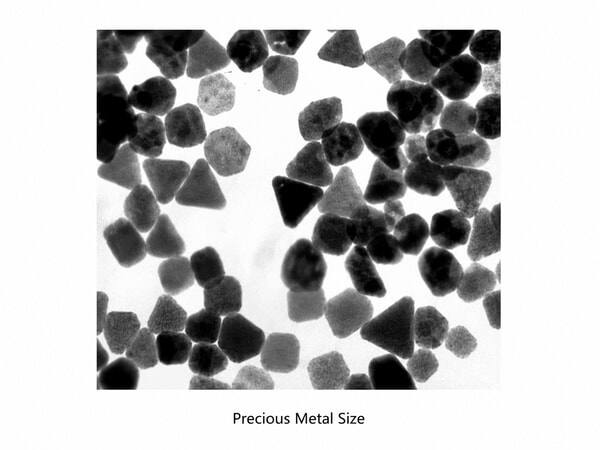
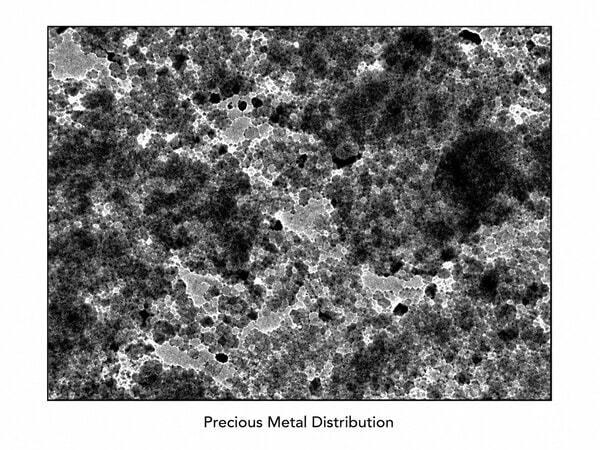
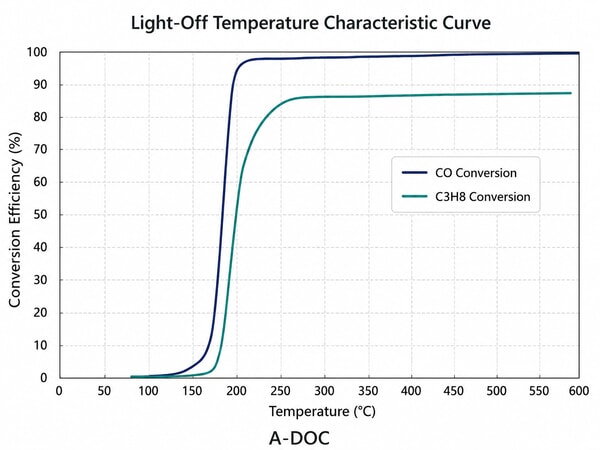
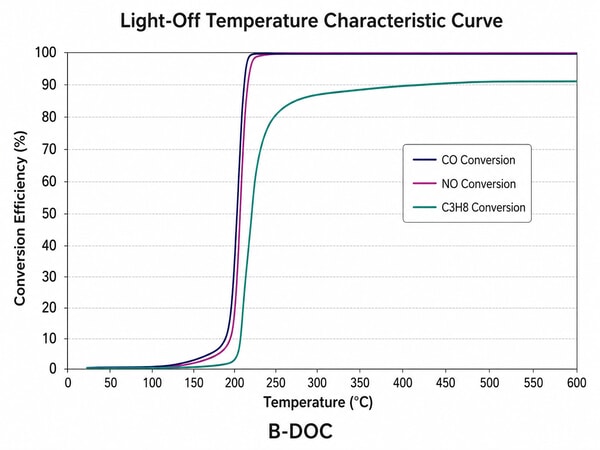
Catalytic Converter Supply & Order Control
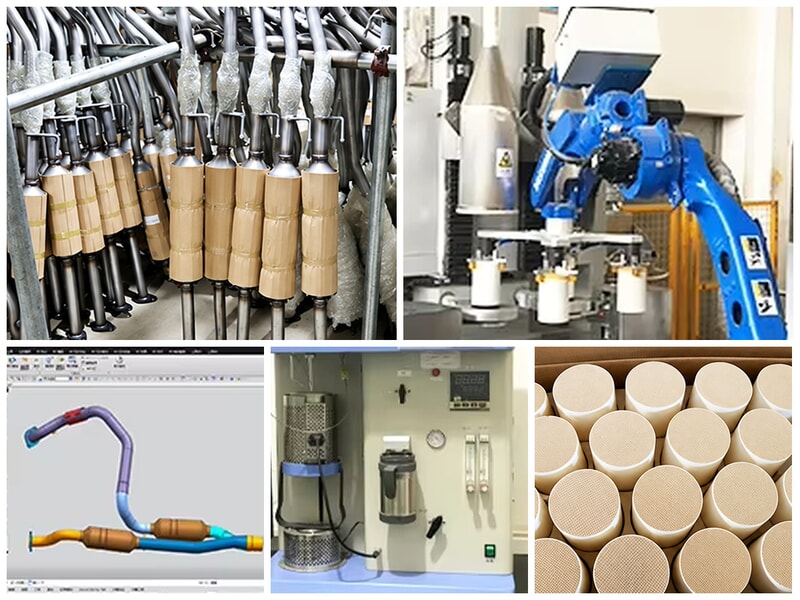
Our catalytic converter range includes around 600 models for a broad range of vehicle applications. New applications can be matched using OE references and cross-reference numbers, or developed from your original sample or drawing. Product design, structural analysis, and further validation can also be incorporated when required by the project.
Manufacturing capabilities include stamping, laser cutting, CNC machining, CNC tube bending, expanding, reducing, flaring, MIG welding, TIG welding, and laser welding. Related components can be reproduced or adjusted from your sample or drawing, including flange bolt spacing, hole diameter, thickness, and outer profile. Tube forming, bending, and welded assembly also support Direct-Fit, Manifold, and catalytic converter assemblies with front or rear piping and flex sections, allowing flange geometry, pipe routing, and connection structures to be adjusted around actual installation requirements.
Product Questions & Answers
How Can You Tell if a Catalytic Converter Is Clogged?
Clogging usually shows up first as increased exhaust restriction rather than a visible change in appearance. Weak acceleration, limited power at higher engine speeds, unusually high exhaust temperatures, or localized overheating around the converter are common signs worth checking. Warning lights or emission-related fault codes may also appear, but none of these symptoms alone can confirm a blockage. Actual diagnosis should focus more on exhaust flow and backpressure. Melted, collapsed, or heavily restricted honeycomb passages can create a noticeable difference between low-load and high-load operation. When the engine runs relatively normally at low load but loses power as exhaust volume increases, restriction somewhere in the exhaust path deserves closer inspection.
Can a Catalytic Converter Be Cleaned?
How Long Do Catalytic Converters Last?
What Causes Catalytic Converter Failure?
Why Is the Gap Between the Catalyst Substrate and Metal Shell Important?
Why Does Inlet Cone Design Matter in a Catalytic Converter?
Can I Order Catalytic Converter Samples Before Bulk Production?
What Is the MOQ for Catalytic Converters?

More than Parts, A True Partnership.
Professional manufacturing of stainless steel exhaust flexible connection components, certified under ISO and IATF systems, with stable exports to more than 100 countries, batch production combined with standard size stock, supporting detail and packaging customization, aiming to provide you with a more efficient and more predictable integrated supply solution.
