
Exhaust Flex Pipe Supply Case for A Colombia Customer
Customer Requirement
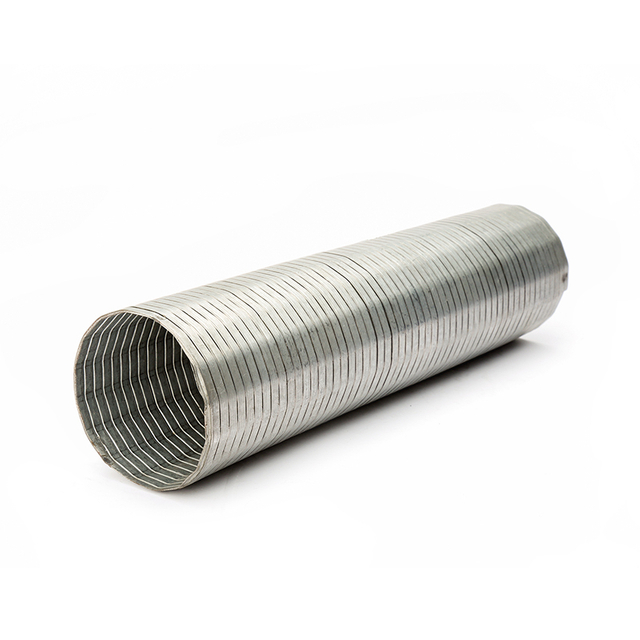
A customer from Colombia contacted YDCT for several exhaust flex pipe models and provided a product image showing six different structures. The initial plan was to purchase about 300 pieces for each model, with a total quantity of around 1,800 pieces, mainly for local exhaust system repair, replacement, and sales needs.
Since the customer provided product photos instead of complete drawings or specification sheets, the first step was to confirm the product structure, size range, sample quantity, thickness requirement, order quantity, and shipping method. For multi-specification exhaust flex pipe orders, clear confirmation at the early stage helps make sample preparation, quotation, and bulk production much smoother.
Project Challenges
The main challenge of this project came from three areas.
First, the customer needed several different product structures, but the initial information was mainly based on reference images. Exhaust flex pipes may look similar from the outside, but pipe diameter, overall length, end pipe structure, wall thickness, and internal design can be different. If the quotation is made only based on appearance, the samples or final bulk products may not match the real application.
Second, the customer needed samples before confirming the bulk order. The sample quantity, sample freight, model combination, and final bulk quantity all needed to be confirmed step by step during communication.
Third, after receiving the samples, the customer gave further feedback on the product thickness. Some sample thicknesses were different from the customer’s expectation, so we needed to check with our factory again to confirm whether the final bulk products could be manufactured according to the required thickness, tolerance, and production feasibility.

Requirement Confirmation and Sample Support
After receiving the inquiry, YDCT first identified the product type based on the customer’s images and matched them with common exhaust flex pipe structures. We then provided a quotation and sea freight reference, while also confirming the sample arrangement.
The customer wanted two samples for each model. Based on this requirement, we helped confirm the sample quantity, model combination, and shipping method, so the customer could check the product structure, thickness, and actual fit before placing a bulk order.
Sample confirmation is especially important for this type of order. It helps the customer find possible differences in specification, thickness, or structure before bulk production, reducing uncertainty at the later stage.
Thickness Feedback and Factory Confirmation
After receiving the samples, the customer found that the thickness of some exhaust flex pipes was different from the expected requirement. Instead of giving a simple answer immediately, we checked the production feasibility with our factory again.
After confirmation, the final bulk products could be produced according to the customer’s required thickness. We then shared the result with the customer and also answered questions about product tolerance and production details.
For exhaust flex pipe purchasing, thickness, pipe diameter, overall length, end pipe structure, and material can all affect product performance. Through sample feedback and factory confirmation, the customer could make a clearer decision before the final order.

Quantity Adjustment and Updated Quotation
During further communication, the customer adjusted some specifications and quantities based on local market demand. According to the new size mix, we recalculated the product quantity, unit price, and sea freight cost, then provided an updated quotation.
Although the order quantity and model ratio changed, we tried to keep the quotation reasonable and help the customer balance purchasing cost with product suitability. For multi-specification orders, flexible adjustment of quantities and size combinations can help buyers better match local market demand and reduce inventory pressure.
Order Confirmation and Delivery Coordination
After the samples, thickness, quantity, and quotation were confirmed, the customer placed the bulk order for the exhaust flex pipes. During the payment process, there was a delay caused by bank processing. We kept communication clear, helped follow up on the payment status, and continued preparing the order arrangement.
The project was finally confirmed successfully. Through this cooperation, the customer not only confirmed the exhaust flex pipe specifications suitable for the local market, but also completed the full process from sample verification to bulk purchasing.
If you are sourcing multi-specification exhaust flex pipes for repair, replacement, distribution, or local market sales, it is helpful to prepare the following information before requesting a quotation:
| Information to Provide | Why It Matters |
| Product photos or drawings | Helps identify the product structure and type |
| Pipe diameter | Helps confirm whether it matches common specifications |
| Overall length | Helps check installation space and product length |
| End pipe structure | Confirms whether the product includes end pipes or special connections |
| Thickness requirement | Helps evaluate production feasibility and cost |
| Material requirement | Such as 201 or 304 stainless steel |
| Order quantity | Helps calculate unit price and production planning |
| Target market or application | Helps recommend a more suitable size combination |
| Packaging and shipping requirements | Helps plan delivery in advance |
Clear information helps us identify the product faster, arrange samples, calculate the quotation, and prepare for bulk production with less repeated communication.
If you need to source exhaust flex pipes based on product photos, samples, or drawings, you can send us the size, material, structure, quantity, and application requirements. YDCT can help with product matching, sample confirmation, specification adjustment, and bulk supply arrangement based on your project needs.


About Yueding
YUEDING manufactures stainless steel exhaust flexible connectors, clamps, metal bellows, and selected automotive exhaust components under ISO and IATF quality systems. With in-house production, inspection, and packaging capabilities, we support bulk orders, standard-size inventory, and customized branding for global B2B customers.
Reliable Delivery
Stable production planning, standard-size inventory, and batch shipping support help make delivery more predictable.

Factory Direct
Production, inspection, and packaging are managed in-house, making communication, quality control, and customization more efficient.

Integrated Supply
We supply flex pipes, clamps, metal bellows, and selected exhaust components to support related purchasing needs from one manufacturer.

