
High-Temperature Metal Bellows: How They Perform Under Extreme Conditions
Are you aware of the vital role high-temperature metal bellows play in extreme environments? These components are essential for various industries, ensuring safety and efficiency. In this article, we’ll explore what high-temperature metal bellows are, their applications, and why understanding their performance is crucial for critical operations.
Understanding High-Temperature Metal Bellows
What Are Metal Bellows?
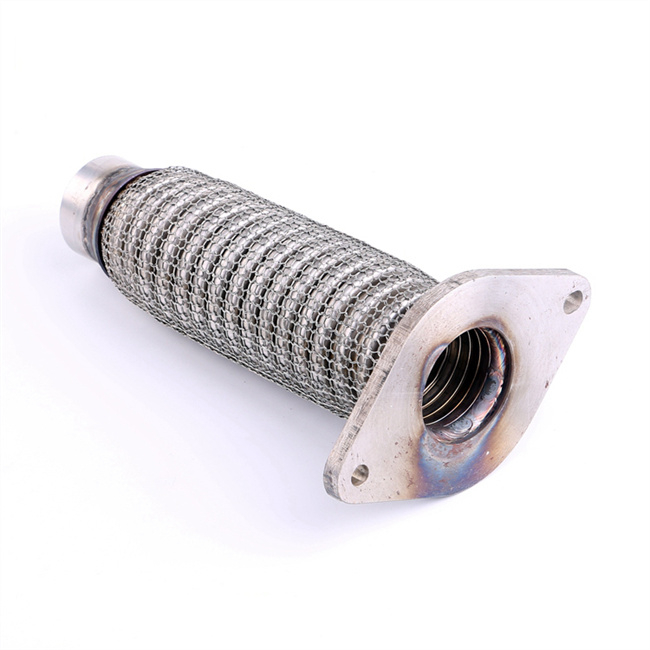
Metal bellows are flexible, cylindrical components designed to absorb movement and accommodate thermal expansion. They are crucial in various applications, providing a reliable seal while allowing for movement. Their basic function is to compensate for misalignment, vibration, and thermal expansion in piping systems.
Types of Metal Bellows and Their Uses
There are several types of metal bellows, each suited for specific applications:
● Standard Bellows: Commonly used in general piping systems to absorb vibrations.
● High-Temperature Bellows: Designed for extreme conditions, these are used in industries like aerospace and automotive.
● Custom Bellows: Tailored to specific requirements, offering flexibility in design and application.
Type | Application | Key Features |
Standard Bellows | General piping | Basic flexibility and sealing |
High-Temperature | Aerospace, automotive | High durability under extreme heat |
Custom Bellows | Specialized industrial uses | Tailored designs for specific needs |
Characteristics of High-Temperature Metal Bellows
High-temperature metal bellows are engineered to withstand extreme conditions, making them essential in many industries. The material composition is vital; they are typically made from stainless steel grades such as 304, 316, and 409. These materials offer excellent corrosion resistance and strength at elevated temperatures.
Design Features
The design of high-temperature metal bellows includes several critical elements:
● Wave Patterns: These patterns allow for flexibility and movement, accommodating thermal expansion.
● Thickness: The wall thickness impacts durability and performance under pressure.
When comparing high-temperature bellows to standard ones, the former are built to handle much more significant temperature fluctuations and mechanical stress.
High-Temperature Adaptability
High-temperature metal bellows can operate efficiently within a temperature range of 300°C to 800°C. This adaptability is crucial for applications in industries such as:
● Aerospace: Where components face extreme heat during flight.
● Automotive: In exhaust systems, where temperatures can soar.
● Chemical Processing: Where high temperatures are routine.
Their ability to maintain performance in these conditions is why they are preferred in critical applications.
Application Area | Typical Temperature Range | Key Benefits |
Aerospace | Up to 800°C | Reliability in extreme environments |
Automotive | 300°C - 700°C | Enhanced durability in exhaust systems |
Chemical Processing | Up to 800°C | Resistance to chemical corrosion |
Understanding the characteristics and functions of high-temperature metal bellows is essential for ensuring safety and efficiency in demanding applications. Their unique properties make them indispensable in maintaining system integrity under extreme conditions.
Applications of High-Temperature Metal Bellows
Automotive Industry
In the automotive sector, high-temperature metal bellows play a crucial role, especially in exhaust systems. These systems must handle extreme temperatures and vibrations generated by the engine. High-temperature metal bellows are designed to absorb these stresses, ensuring that the exhaust system remains intact and functional under harsh conditions.
Benefits in Handling High Temperatures and Vibrations
The ability of high-temperature metal bellows to withstand elevated temperatures is vital. They can operate effectively even when temperatures exceed 700°C, which is common in turbocharged engines. This capability not only enhances performance but also extends the lifespan of exhaust components.
Specific Use Cases
Consider turbocharged engines, which require components to endure significant thermal stress. In these applications, high-temperature metal bellows provide:
● Flexibility: They accommodate engine movement without compromising the exhaust system.
● Durability: Their robust design ensures they can handle the rigors of high-performance driving.
Use Case | Temperature Requirement | Key Feature |
Turbocharged Engines | Up to 800°C | Excellent heat resistance |
Performance Exhaust Systems | 600°C - 700°C | Vibration absorption |
Industrial Applications
High-temperature metal bellows are also essential in various industrial settings. They are commonly used in boilers and heat exchangers, where they manage thermal expansion and contraction. This function is critical in maintaining efficiency and safety in these systems.
Importance in Chemical Processing Plants
In chemical processing plants, the environment can be particularly challenging. High temperatures, combined with corrosive substances, create a need for reliable components. High-temperature metal bellows excel in these situations, providing a secure seal while allowing for movement.
High-Temperature Performance in Industrial Settings
These bellows face unique challenges in industrial environments, such as:
● Pressure Variations: Fluctuations can lead to mechanical stress.
● Corrosion: Exposure to chemicals requires materials that resist degradation.
High-temperature metal bellows address these issues through their robust design and material composition, ensuring they perform effectively even under extreme conditions.
Challenge | Solution Provided |
Pressure Variations | Flexible design absorbs stress |
Corrosion | Made from resistant materials like 316 stainless steel |
Aerospace and Marine Applications
In aerospace and marine applications, high-temperature metal bellows are vital for ensuring reliability in extreme environments. They must meet specific performance and durability requirements, as failure could lead to catastrophic outcomes.
Function in Extreme Environments
These bellows are used in various components, including engine systems and fuel lines. Their ability to withstand high pressures and temperatures is critical in these applications.
Case Studies
Real-world examples highlight the effectiveness of high-temperature metal bellows:
● Aerospace Components: In jet engines, these bellows maintain integrity under temperatures exceeding 800°C, ensuring safe operation.
● Marine Engines: In naval vessels, they provide flexibility in exhaust systems, accommodating movement while resisting corrosion from seawater.
Application Area | Key Requirements | Performance Highlight |
Aerospace | High temperature resistance | Operates up to 800°C |
Marine | Corrosion resistance | Flexible design for dynamic movement |
Performance of High-Temperature Metal Bellows Under Extreme Conditions
Temperature Tolerance
High-temperature metal bellows are engineered to withstand significant temperature fluctuations. Different materials offer varying maximum temperature limits, which is crucial for their application in extreme environments. For instance, stainless steel grades like 304 and 316 can handle temperatures up to 800°C, while other materials may only tolerate lower limits.
Maximum Temperature Limits for Different Materials
Material Grade | Maximum Temperature (°C) | Application Suitability |
304 Stainless Steel | 870 | General industrial applications |
316 Stainless Steel | 800 | Chemical processing, marine use |
Inconel | 1200 | Aerospace, high-performance engines |
The structural integrity of these bellows is significantly impacted by temperature. As temperatures rise, materials can weaken, leading to potential failure. Understanding how temperature affects the performance of high-temperature metal bellows is essential for ensuring reliability in critical applications.
Material Selection
Choosing the right stainless steel grade is vital for specific applications. The selection depends on factors like temperature, corrosion resistance, and mechanical stress. Using the appropriate grade will enhance performance and longevity, reducing the risk of unexpected failures.
Thermal Expansion and Flexibility
One of the key functions of high-temperature metal bellows is their ability to compensate for thermal expansion. As temperatures change, materials expand and contract. High-temperature metal bellows are designed to absorb these movements, preventing stress and potential failure in connected systems.
Importance of Design in Preventing Stress and Failure
The design of bellows plays a crucial role in their ability to handle thermal expansion. A well-designed bellows can accommodate the necessary movements without compromising structural integrity. This flexibility is essential in applications where temperature fluctuations are frequent.
Design Considerations
Several design factors influence the performance of high-temperature metal bellows under thermal stress:
● Wall Thickness: Thicker walls provide greater durability but can limit flexibility.
● Wave Spacing: The spacing of the bellows' waves affects how well it can expand and contract. Properly spaced waves allow for optimal movement while maintaining strength.
Design Factor | Impact on Performance |
Wall Thickness | Balances flexibility and durability |
Wave Spacing | Enhances thermal expansion compensation |
Resistance to Corrosion and Fatigue
Corrosive environments can severely impact the performance of high-temperature metal bellows. Exposure to harsh chemicals or moisture leads to degradation over time. To combat this, manufacturers employ strategies to enhance corrosion resistance, such as applying protective coatings.
Effects of Corrosive Environments on Performance
When bellows are subjected to corrosive substances, their lifespan can be significantly reduced. Therefore, selecting materials that resist corrosion is essential for maintaining performance in challenging environments.
Fatigue Resistance
Heat fatigue is a critical concern in cyclic temperature environments. High-temperature metal bellows are designed to withstand these conditions through careful material selection and engineering. They are tested rigorously to ensure they can endure repeated thermal cycles without failing.
Vibration Absorption and Shock Resistance
In high-stress applications, vibration absorption is essential. High-temperature metal bellows reduce vibrations that can lead to mechanical failure, ensuring smooth operation in various settings, including automotive and industrial applications.
Examples of Performance in Automotive and Industrial Settings
In automotive exhaust systems, for instance, high-temperature metal bellows absorb vibrations from the engine, enhancing overall vehicle performance. Similarly, in industrial machinery, they mitigate the effects of vibrations that could cause damage over time.
Testing for Vibration Resistance
To ensure performance under dynamic conditions, various testing methods are employed. These include:
● Dynamic Testing: Simulates real-world conditions to evaluate how bellows respond to vibrations.
● Fatigue Testing: Assesses how materials hold up under repeated stress and strain.
Testing Method | Purpose |
Dynamic Testing | Evaluates performance in real-world scenarios |
Fatigue Testing | Measures durability under cyclic stress |
Testing and Certification of High-Temperature Metal Bellows
Quality Assurance Processes
Ensuring the reliability and performance of high-temperature metal bellows begins with rigorous quality assurance processes. Various testing methods are employed to evaluate their durability and effectiveness under extreme conditions. Techniques like spectrometry and salt spray tests are commonly used to assess material properties and resistance to corrosion.
Overview of Testing Methods
● Spectrometry: This method analyzes the composition and quality of materials, identifying any impurities that could affect performance.
● Salt Spray Tests: These tests simulate corrosive environments, helping to determine how well the bellows can withstand harsh conditions over time.
Compliance with international standards, such as ISO certifications, is crucial. These standards ensure that products meet specific safety and performance criteria, giving manufacturers and customers confidence in their reliability.
Performance Testing Protocols
Specific tests are designed to evaluate high-temperature performance. For instance, bellows are subjected to extreme heat cycles to simulate real-world conditions. These tests measure how well the bellows maintain their structural integrity and flexibility under thermal stress.
Testing Method | Purpose | Key Metrics Assessed |
High-Temperature Cycling | Evaluates performance under thermal stress | Structural integrity, flexibility |
Corrosion Resistance Testing | Assesses durability in corrosive environments | Rate of material degradation |
Real-World Performance Testing
Understanding how high-temperature metal bellows perform in actual conditions is essential. Case studies provide valuable insights into their effectiveness and reliability. For example, in the automotive industry, bellows have been tested in high-performance vehicles, showcasing their ability to handle extreme temperatures and vibrations.
Case Studies Showcasing Performance in Extreme Conditions
One notable case involved a turbocharged engine where high-temperature metal bellows were subjected to repeated thermal cycles. The results demonstrated that, despite the challenging environment, the bellows maintained their functionality and did not exhibit signs of fatigue or failure.
Lessons Learned from Failures and Successes
Analyzing failures is just as important as celebrating successes. In some instances, bellows failed due to inadequate material selection or design flaws. These lessons have led to improved manufacturing practices and better material choices, ensuring future products are more resilient.
Long-Term Performance Insights
Data collected from field applications provide insights into the lifespan and performance metrics of high-temperature metal bellows. For instance, many installations report an operational lifespan exceeding ten years, even under extreme conditions. This long-term data helps manufacturers refine their designs and materials for future products.
Application Area | Average Lifespan (Years) | Performance Metrics |
Automotive Exhaust Systems | 10+ | 95% operational efficiency |
Industrial Heat Exchangers | 8-12 | Low failure rates, high durability |
Field data not only showcases the reliability of high-temperature metal bellows but also informs ongoing improvements in technology and design.
Customization and OEM Solutions
Tailoring High-Temperature Metal Bellows for Specific Needs
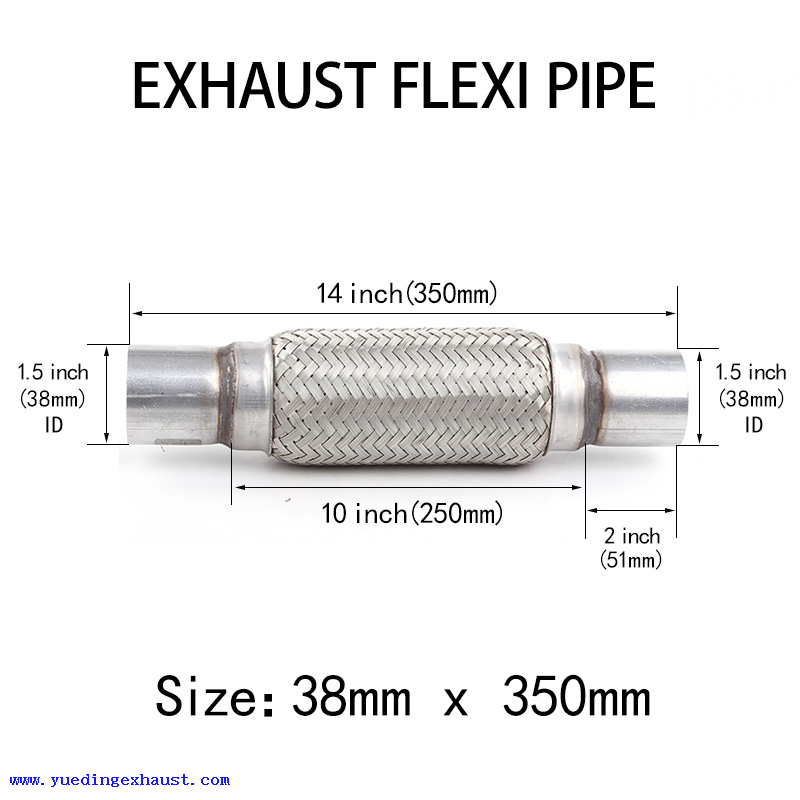
High-temperature metal bellows can be tailored to meet unique requirements across various industries. Customization options are extensive, allowing for adjustments in size, material, and connection types. This flexibility ensures that the bellows fit seamlessly into existing systems, enhancing performance and reliability.
Options for Customization
● Size: Bellows can be manufactured in various dimensions to match specific installation spaces. This is crucial for applications where space is limited.
● Material: Different materials offer varying levels of heat resistance and corrosion protection. Choosing the right material based on environmental conditions is essential.
● Connection Types: Custom connection types ensure compatibility with existing piping or machinery, simplifying installation and maintenance.
Collaborating closely with manufacturers is vital to achieve optimal solutions. They can provide insights into the best materials and designs suited for particular applications, ensuring that the final product meets all necessary specifications.
Minimum Order Requirements
When considering OEM customization options, it’s important to discuss minimum order quantities. Many manufacturers have specific requirements that can vary based on the complexity of the design and the materials used. Understanding these requirements early in the process helps in planning and budgeting effectively.
Customization Aspect | Typical Minimum Order Quantity | Notes |
Standard Sizes | 50 units | Commonly available options |
Custom Materials | 100 units | Material sourcing may affect lead time |
Specialized Designs | 25 units | More complex designs may have lower limits |
OEM Partnerships
Establishing OEM partnerships can provide numerous benefits for industries that rely on high-temperature metal bellows. These collaborations allow companies to leverage the expertise of manufacturers while ensuring that their specific needs are met.
Benefits of OEM Solutions for Industries
OEM solutions offer tailored products that align perfectly with operational requirements. By working directly with manufacturers, companies can access advanced technologies and materials that enhance performance. Additionally, OEM partnerships often lead to reduced lead times, as manufacturers can prioritize production based on demand.
Examples of Successful Collaborations
Many industries have successfully implemented OEM solutions. For instance, in the aerospace sector, partnerships have resulted in custom bellows that withstand extreme temperatures and pressures. These collaborations have not only improved performance but have also contributed to safety and reliability in critical applications.
Transparent Pricing and Direct Factory Services
One of the significant advantages of partnering directly with manufacturers is transparent pricing. By eliminating intermediaries, companies can obtain better pricing structures and clearer cost breakdowns. This direct relationship fosters trust and allows for more straightforward negotiations.
Explanation of Advantages of Direct Factory Partnerships
● Cost Savings: Bypassing middlemen reduces overall costs, allowing companies to invest more in quality materials and design improvements.
● Direct Communication: Working directly with manufacturers facilitates quicker feedback and adjustments, ensuring that any issues are resolved swiftly.
● Enhanced Quality Control: Manufacturers can implement stringent quality checks throughout the production process, leading to higher-quality products.
In summary, customization and OEM solutions for high-temperature metal bellows provide industries with the flexibility and reliability they need to thrive in demanding environments.
Future Trends in High-Temperature Metal Bellows
Innovations in Materials and Design
The future of high-temperature metal bellows is shaped by exciting innovations in materials and design. Emerging technologies are paving the way for stronger, lighter, and more resilient bellows that can withstand extreme conditions. For instance, advanced alloys and composites are being developed to enhance thermal resistance and flexibility.
Emerging Materials and Technologies
● High-Performance Alloys: New alloys are being engineered to provide superior heat resistance while maintaining structural integrity. These materials can endure higher temperatures than traditional options.
● Composite Materials: The use of composites is on the rise, offering reduced weight without compromising strength. This is particularly beneficial in aerospace and automotive applications where weight savings are crucial.
As these materials evolve, we can expect significant performance enhancements. Predictions indicate that future high-temperature metal bellows will not only perform better but also last longer, reducing the need for frequent replacements.
Predictions for Future Applications and Performance Enhancements
The applications for high-temperature metal bellows are expanding. Industries such as aerospace, energy, and automotive are likely to see increased demand for specialized solutions. Innovations will enable bellows to handle more extreme environments, such as those found in next-generation engines or high-efficiency power plants.
Application Area | Expected Innovations | Performance Benefits |
Aerospace | Lightweight composites | Improved fuel efficiency |
Energy Production | Advanced alloys | Higher thermal stability |
Automotive | Custom designs | Enhanced durability under stress |
Sustainability Considerations
Sustainability is becoming a central theme in the manufacturing of high-temperature metal bellows. As industries move towards greener practices, manufacturers are exploring eco-friendly materials and sustainable production processes.
Impact of Manufacturing Processes on the Environment
The environmental impact of traditional manufacturing processes has raised concerns. High energy consumption and waste generation during production can significantly affect ecosystems. Recognizing this, many manufacturers are re-evaluating their processes to minimize negative effects.
Trends Towards Eco-Friendly Materials and Practices
The trend towards sustainability includes the adoption of eco-friendly materials. Manufacturers are increasingly sourcing recycled metals and exploring biodegradable composites. Additionally, energy-efficient production techniques are being implemented to reduce the carbon footprint.
Sustainability Aspect | Current Trends | Future Directions |
Materials | Use of recycled metals | Development of biodegradable options |
Production Processes | Energy-efficient machinery | Zero-waste manufacturing initiatives |
By integrating sustainability into their practices, manufacturers not only comply with regulations but also appeal to environmentally conscious consumers. This shift is likely to redefine the landscape of high-temperature metal bellows in the coming years.
Conclusion
High-temperature metal bellows are crucial for various industries. They withstand extreme conditions, ensuring reliability and performance. Innovations in materials enhance their durability and efficiency. Sustainability trends are also shaping their production.
Consider integrating high-temperature metal bellows into your applications. Their benefits can significantly improve operational effectiveness and environmental impact. Explore options that meet your specific needs today!
FAQ
Q: What is the typical lifespan of high-temperature metal bellows?
A: The lifespan varies based on material and application, typically ranging from 5 to 15 years.
Q: How do I choose the right high-temperature metal bellows for my application?
A: Consider factors like temperature range, pressure requirements, and environmental conditions.
Q: Are there any maintenance tips for high-temperature metal bellows?
A: Regular inspections for wear and tear, along with proper lubrication, can extend their life.
Q: What industries benefit most from high-temperature metal bellows?
A: Industries such as aerospace, energy, and automotive extensively use high-temperature metal bellows.
Q: How does YDCT ensure the quality of its high-temperature metal bellows?
A: YDCT employs rigorous testing and quality control measures throughout the manufacturing process.


YUEDING EXHAUST
Professional manufacturing of stainless steel exhaust flexible connection components, certified under ISO and IATF systems, with stable exports to more than 100 countries, batch production combined with standard size stock, supporting detail and packaging customization, aiming to provide you with a more efficient and more predictable integrated supply solution.
Reliable Delivery
Not just speed, but stable production planning, inventory, and batch shipping, ensuring consistent delivery.

Factory Direct
Production, inspection, and packaging are integrated, with drawings going directly into production, making cost and process more transparent.

One-Stop
One system covers flex pipes, clamps, and related products, reducing switching and simplifying the process from samples to mass production.

