
What does a flex pipe on an exhaust do?
The flex pipe is a very simple but very important part. It is not for beauty, it is for system survival.
The main job of the flex pipe is to act as a Flexible Coupler between the moving engine and the fixed pipe. The engine is always shaking when it runs. If the exhaust is rigid, all this engine shake will travel straight into the fixed pipe. The flex pipe absorbs this energy before it can cause structural damage. Also, the pipe gets very hot and grows (thermal expansion). If you don't use a flex pipe, this constant movement and heat stress will cause cracks and fast leakage.
In addition, a high-quality flex pipe is critical for Engine Emission Compliance. It keeps the O2 sensor sealed correctly, stopping outside air from making the sensor read wrong. This makes sure the ECU can control the Air-Fuel Ratio accurately, avoiding wasted fuel and emission failure. Looking deeper, the flex pipe can dissipate stress waves from the engine, stopping stress from building up on turbochargers and catalytic converters. This greatly extends the service life of these expensive main parts.
Why the Right Flex Pipe Matters for Replacement
When a flex pipe is used for repair replacement, standard assembly, or regular replenishment, the main point is not only whether it can be installed. The structure, length, end connection, and material all affect how well the part absorbs vibration, fits the existing pipe, and keeps the exhaust system stable after installation.
Yueding supplies stainless steel exhaust flex pipes for automotive exhaust systems, repair replacement, standard assembly, and regular replenishment needs. Common structures include braided flex pipes, bellows-type flex pipes, flex pipes with nipples, and options with inner liners for more demanding working conditions.
Some of our automotive flex pipes are produced by high-pressure hydroforming, using water as the forming medium. This process helps shape the bellows more evenly and reduce unnecessary stress during forming. In some designs, we also adjust the bellows height to improve flexibility, so the pipe can better absorb multi-directional vibration, compensate for small installation deviations, and handle thermal expansion in the exhaust system.
The bellows height, braid structure, liner option, and end connection can all affect flexibility, installation fit, and vibration absorption. For common exhaust environments, SUS304 stainless steel is often used because it provides good resistance to heat, moisture, and salt corrosion. This makes it suitable for many standard replacement and aftermarket exhaust applications.
If you are checking a replacement flex pipe, it is useful to confirm the pipe diameter, total length, flexible body length, end style, and whether clamps or couplers are required. For mixed-size orders or regular replenishment, a clear size list and packaging requirements can help reduce specification mistakes during quotation, packing, and installation.
If the product you need is not shown on the website, you can send sample photos, drawings, or a size list for review. For regular sizes, replacement items, and mixed-size bulk orders, Yueding can help check the available supply options based on your quantity, size combination, and packaging requirements.
Flex Pipe

Flex Pipe
Absorbs engine vibration and thermal movement in exhaust systems. Suitable for repair replacement, standard assembly, and regular replenishment needs.
Exhaust Flex Pipe With Nipple
Designed with extended necks for easier welding or clamp connection. Suitable for common repair replacement and standard exhaust assembly.

Exhaust Mesh Flex Pipe
A flexible braid option for selected exhaust applications where movement absorption and compact installation are required.

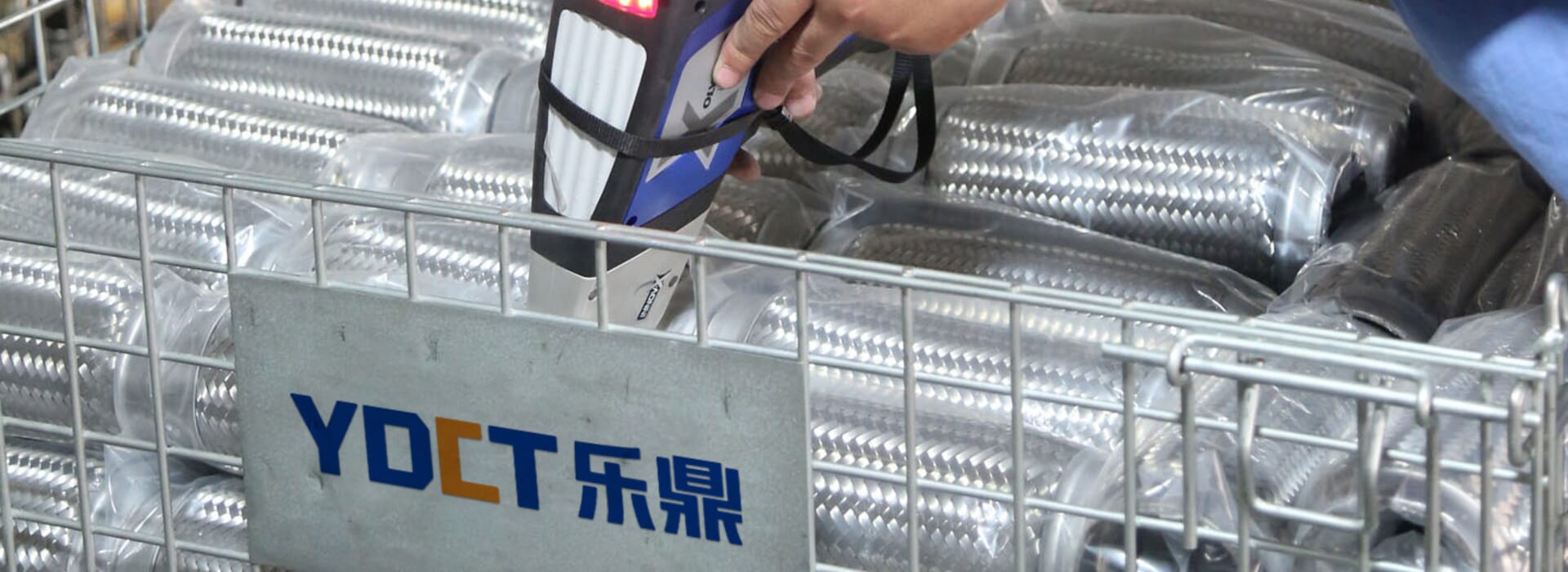
More than Parts, A True Partnership.
Professional manufacturing of stainless steel exhaust flexible connection components, certified under ISO and IATF systems, with stable exports to more than 100 countries, batch production combined with standard size stock, supporting detail and packaging customization, aiming to provide you with a more efficient and more predictable integrated supply solution.
