
How To Find The Right Flex Pipe Manufacturer for Your Unique Requirements?
Selecting a flex pipe manufacturer becomes difficult when a project cannot be defined by diameter and length alone. An exhaust system flex pipe may also need to accommodate vibration, thermal movement, limited installation space, a particular connection method, corrosion exposure, or repeatable dimensions across bulk orders. These factors affect material, bellows construction, braid or liner design, end connections, and manufacturing control. A useful supplier search therefore starts with your application rather than a list of factories. The goal is to identify a manufacturer whose product range, processes, and specification control match the conditions your flexible exhaust connection will actually face.
Quick Answer: What Should You Look for in a Flex Pipe Manufacturer?
The right flex pipe manufacturer should be able to translate your operating conditions into a clearly defined product specification and reproduce that specification consistently. Evaluate the supplier against five areas: application fit, product construction, manufacturing capability, specification control, and sample-to-production repeatability. Price matters, but it should be compared only after suppliers are quoting comparable materials, dimensions, structures, end connections, packaging, and inspection requirements.
Buyer Question | What to Confirm | Why It Matters |
|---|---|---|
Where will the flex pipe operate? | Vehicle or equipment type, exhaust position, movement, environment | Defines the actual duty conditions |
What construction is required? | Bellows, outer braid, inner braid, interlock liner, end tubes | Affects flexibility, protection, flow path, and durability |
How will it connect? | Weld ends, nipples, flanges, clamps, couplers, or repair kit | Determines installation compatibility |
Can production repeat the approved sample? | Process control, dimensions, weld condition, inspection records | Reduces variation across repeat orders |
Is the quotation technically comparable? | Material, size, structure, quantity, packaging, inspection scope | Prevents misleading price comparisons |
Define Your Exhaust Flex Pipe Requirements Before Comparing Manufacturers
A common sourcing mistake is asking several manufacturers for “the same” flex pipe without first defining what the same product actually means. Two components can share an outside diameter and overall length while using different bellows structures, braid arrangements, liner designs, materials, end tubes, or connection methods.
Start by describing the complete application. Is the flexible pipe for exhaust use in a passenger vehicle, commercial vehicle, generator, machinery system, or another installation? Is it replacing an existing component, entering a distributor product range, or becoming part of a new exhaust assembly? The answers determine what information a flex pipe manufacturer needs before recommending a construction.
Build an Operating-Condition Profile
Your initial specification should describe more than physical size. Identify the expected vibration and movement, exposure to moisture or corrosive conditions, available installation space, exhaust-system position, surrounding components, and how the pipe is supported. If temperature or movement limits have already been established by your engineering team, include them rather than asking the supplier to assume operating conditions.
For an existing product, photographs, a drawing, an OE reference where applicable, or a physical sample can reduce ambiguity. For new projects, clearly distinguish fixed dimensions from dimensions that can still be adjusted.
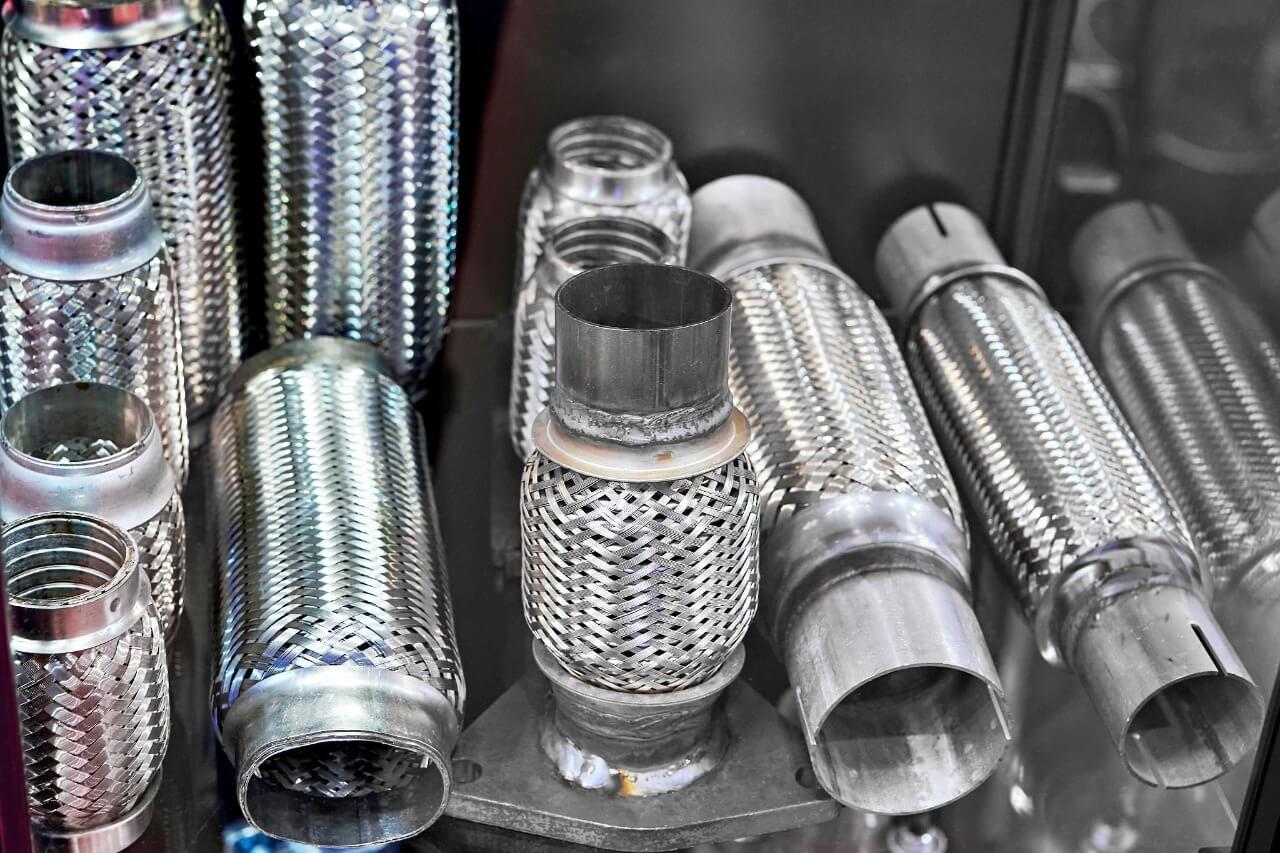
Zhejiang Yueding Corrugated Tube Co., Ltd. offers Stainless Steel Flex Pipes in multiple flexible connection structures for automotive, commercial vehicle, repair, and other exhaust applications. Reviewing available structures is useful, but the final configuration should still be selected against the actual installation conditions.
Match the Flex Pipe Construction to the Exhaust Application
A capable flex pipe manufacturer should discuss construction as a system rather than treating every flexible exhaust pipe hose as interchangeable. The corrugated bellows provides movement capability, while braids, liners, sleeves, caps, end pipes, and connectors can change how the assembly behaves and how it is installed.
For buyers comparing an Exhaust Flexible Pipe Range, it is useful to separate three decisions: the flexible element, the protective or internal structure, and the end connection. This makes quotations easier to compare and prevents one design feature from being mistaken for the entire specification.
What Material Is Flex Pipe Made Of?
Exhaust flex pipes are commonly constructed from stainless steel components because the flexible section must operate in a hot environment while also resisting vibration and corrosion. However, “stainless steel” alone is not a complete material specification. The bellows, outer braid, inner braid or interlock liner, and end tubes may not necessarily use the same grade or thickness.
Instead of asking only, “Is it stainless steel?”, ask the flex pipe manufacturer to identify the material for each relevant component. Material selection should then be considered together with temperature exposure, corrosion conditions, mechanical movement, expected service environment, and project cost. A higher material grade cannot compensate for incorrect dimensions, unsuitable movement characteristics, poor support, or an incompatible installation method.
Choose Braid and Liner Structures by Function
An outer braid can protect the bellows and help manage mechanical loads around the flexible section. Designs with an internal braid or interlock liner change the internal construction and may be considered where the application places different demands on flow, vibration, or mechanical protection.
For demanding commercial vehicle or machinery applications, a Heavy Duty Braided Flex Pipe is one construction worth evaluating. It should not, however, be specified merely because “heavy duty” sounds safer. The manufacturer still needs to match dimensions, movement, material, end configuration, and installation conditions to the project.
Define the Flex Pipe Connector and Installation Method
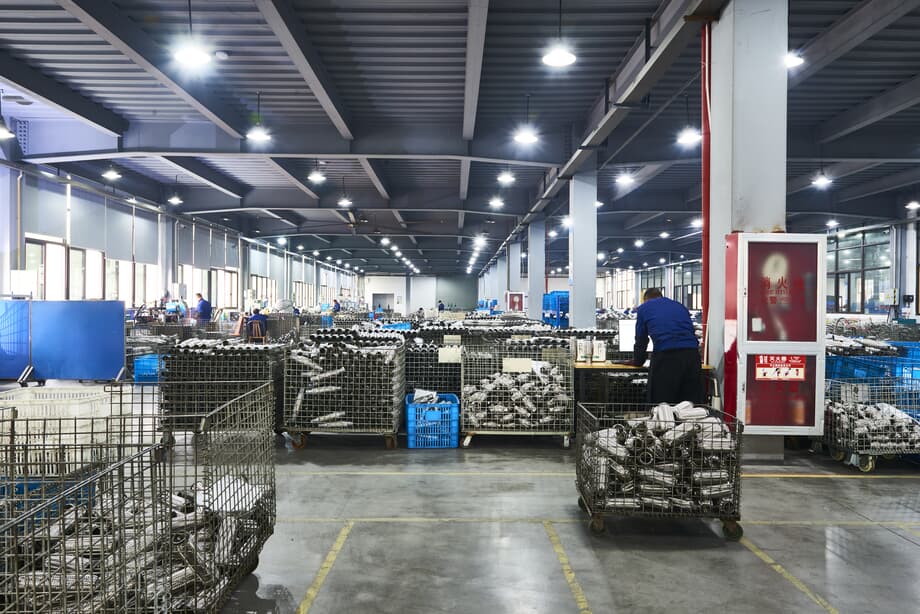
The connection method can be as important as the flexible element. Exhaust flex connectors may use plain weld ends, extension pipes, nipples, flanges, couplers, clamps, or other interfaces. Terms such as flex pipe connector, exhaust flex coupling, and flexible exhaust pipe hose are sometimes used broadly in purchasing, so drawings and dimensions are more reliable than terminology alone.
Confirm the mating pipe outside diameter, overlap or butt-joint arrangement, available insertion length, flange profile where relevant, and whether welding is permitted at the installation location. If the project is intended for repair operations without welding, a No-Weld Flex Pipe Kit provides a different installation concept from a weld-in flexible section.
An exhaust flex pipe universal design may cover multiple repair situations, but “universal” does not mean it fits every exhaust system. Pipe diameter, usable length, clearance, clamp engagement, joint geometry, and movement still need to be checked.
Evaluate Whether the Flex Pipe Manufacturer Fits Your Production Requirements
Once the product concept is clear, evaluate how the manufacturer makes and controls it. A large factory is not automatically the right factory, and a long equipment list does not by itself prove that a specific product can be repeated accurately. Focus on the processes directly related to your part.
Check Which Critical Processes Are Controlled In-House
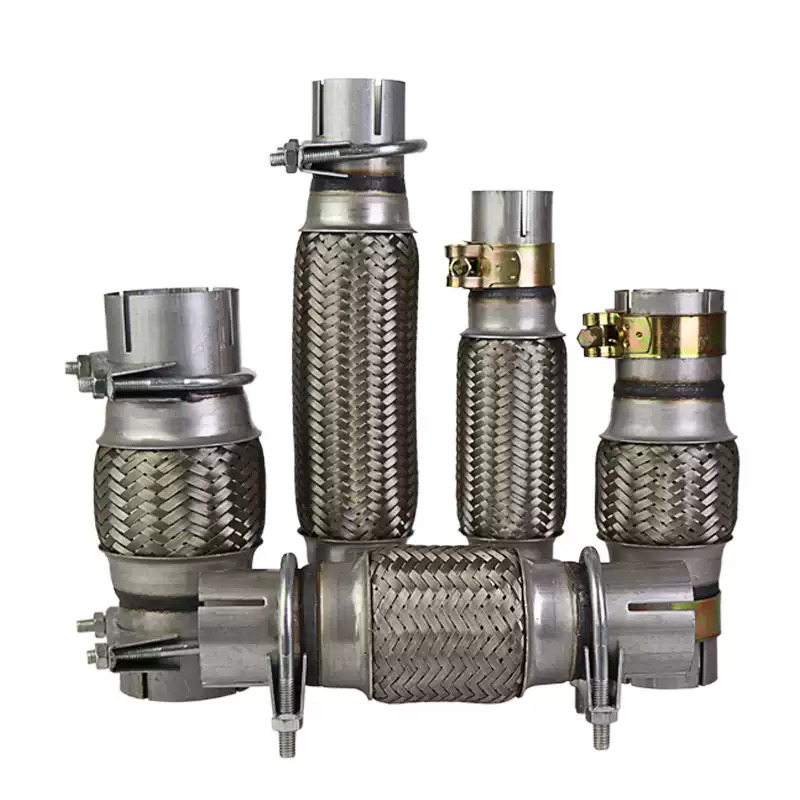
For a typical flexible pipe for exhaust service, relevant processes can include tube preparation, bellows forming, braiding, welding, assembly, dimensional inspection, and packing. Ask which stages are completed internally and which are outsourced. Outsourcing is not automatically a problem, but responsibilities and inspection points should be clear.
A manufacturer should also be able to explain how dimensions are checked, how material identities are managed, how weld and assembly issues are handled, and how an approved specification is transferred into repeat production. Zhejiang Yueding Corrugated Tube Co., Ltd. operates in-house forming, braiding, welding, assembly, inspection, and packing processes for its flexible connection products.
Separate Customization Capability from Engineering Guesswork
“Custom available” is meaningful only when both sides define what can be changed. Typical variables include diameter, overall length, flexible-section length, braid or liner structure, end pipes, flanges, and related connection parts. Packaging or marking may also matter for distributors and private-label programs.
A useful flex pipe manufacturer should identify where your requested change affects tooling, process sequence, inspection, minimum production quantity, or lead time. It should also flag missing information rather than silently filling gaps with assumptions. For a unique component, clarification before sampling is usually less costly than correcting a dimensional or connection error after production.
Send a Quote-Ready Specification Pack, Not Just a Product Name
One of the most effective ways to improve supplier selection is to improve the RFQ itself. If three manufacturers receive different interpretations of your request, their prices and samples are not directly comparable. A quote-ready specification pack forces the important decisions into the open.
Specification Field | Information to Provide | Common Sourcing Risk if Missing |
|---|---|---|
Application | Vehicle, equipment, repair, OEM assembly, distribution, or industrial exhaust | Supplier chooses a structure for the wrong duty |
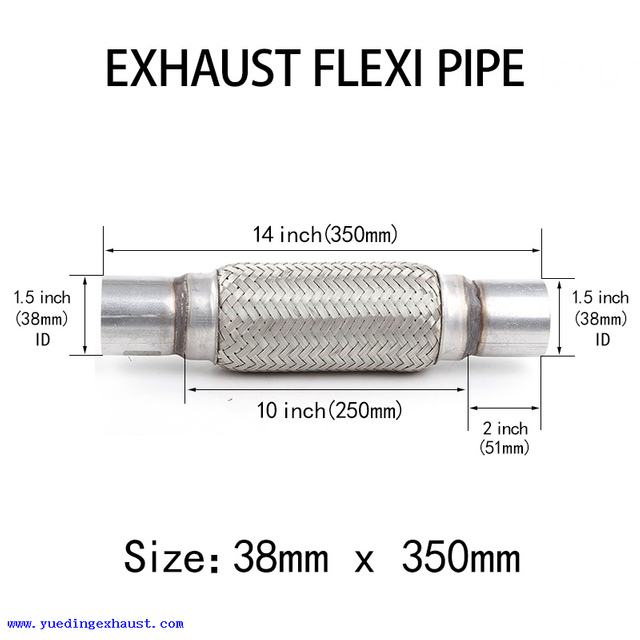
Pipe dimensions | Inside/outside diameter as relevant, overall length, flexible length, end dimensions | Fitment failure despite a similar nominal size |
Construction | Bellows, outer braid, inner braid, interlock liner, layers if specified | Quotes describe materially different products |
Material | Required grades by component or operating conditions for material review | Cost comparison hides a material difference |
End connection | Weld ends, nipples, flanges, clamp interface, coupling dimensions | Flex pipe connector does not match the exhaust assembly |
Operating conditions | Known temperature, movement, vibration, corrosion exposure, installation constraints | Product is selected only by size |
Inspection | Dimensions, material documents, leak checks, or project-specific validation needs | Acceptance criteria are disputed after production |
Commercial details | Estimated quantity, packaging, labeling, delivery destination, repeat-order expectations | Quotation excludes important supply requirements |
For an existing exhaust flex coupling, add photos from several angles and mark the dimensions directly on a drawing whenever possible. For a new design, state which values are mandatory and which can be optimized with the manufacturer. This distinction allows useful technical discussion without giving the supplier permission to change critical interfaces.
Compare Samples and Manufacturers with the Same Decision Matrix
A sample should answer specific questions, not simply prove that a supplier can ship one piece. Create acceptance points before the sample arrives and apply the same review to every candidate. This makes supplier selection more objective and keeps attractive pricing from overshadowing a technical mismatch.
Evaluation Area | What to Review | Warning Sign |
|---|---|---|
Specification accuracy | Diameter, length, flexible section, end geometry | Supplier substitutes dimensions without approval |
Construction | Braid, liner, bellows, caps, end components | Sample differs from quotation or drawing |
Assembly quality | Weld condition, alignment, braid termination, component fit | Visible inconsistency among samples |
Documentation | Revision, material definition, inspection requirements | Critical details exist only in email conversations |
Communication | Technical questions, deviations, response clarity | Questions receive generic answers instead of specification confirmation |
Repeat-order control | How approved specifications and packaging are retained | Each order must be redefined from the beginning |
You can also assign internal weights to these categories. For a high-volume distribution program, repeatability and packaging may receive more weight. For a custom exhaust assembly, fitment, connector geometry, and drawing control may dominate. The weighting should come from the consequences of failure in your own project, not from a generic supplier scorecard.
Control the First Order Before Scaling to Repeat Supply
After selecting a flex pipe manufacturer, treat the first production order as a controlled transition from sample approval to repeat supply. Freeze the approved drawing or specification, material definition, construction, packaging, and inspection points. If a revision occurs, record what changed and which version replaces the previous one.
Where practical, compare early production pieces against the approved sample rather than relying only on appearance. For an exhaust system flex pipe, pay particular attention to interfaces: end diameter, overall length, flange or coupling geometry, clamp engagement, and alignment with surrounding rigid pipework.
Packaging should also be included in the approved specification if parts can be deformed, scratched, mixed by size, or mislabeled in transit. For buyers ordering several diameters or structures together, clear part identification reduces warehouse and installation errors.
Finally, review how repeat orders will be handled. A suitable manufacturing partner should be able to reproduce the agreed configuration without reopening every technical decision. That is particularly important when you source multiple exhaust flex connectors, serve several vehicle or equipment applications, or expect the product range to expand over time.
Conclusion
Finding the right flex pipe manufacturer is primarily an exercise in matching production capability to a clearly defined application. Establish operating conditions first, then confirm material, bellows and braid construction, liner requirements, dimensions, connector geometry, installation method, inspection scope, and repeat-order controls. Compare suppliers only after these variables are aligned. Zhejiang Yueding Corrugated Tube Co., Ltd. is a manufacturer of exhaust flexible connection components with in-house forming, braiding, welding, assembly, inspection, and packing capabilities. The same requirement-first checklist should be used to determine whether its available structures and production processes fit a specific project.
FAQ
How do I choose a flex pipe manufacturer for a custom exhaust project?
Start with a complete specification covering application, dimensions, construction, material, movement, connection method, installation constraints, quantity, and inspection requirements. Then compare manufacturers on their ability to understand, sample, document, and repeatedly produce that exact configuration rather than choosing by unit price alone.
What material is flex pipe made of?
Exhaust flex pipes commonly use stainless steel for the bellows and associated braid, liner, or end components. However, different components can use different grades or constructions. Ask the manufacturer to specify the material of each critical element and evaluate it against heat, corrosion exposure, mechanical movement, and cost requirements.
Is an exhaust flex pipe universal?
Some replacement flex pipes are marketed as universal because they can be adapted to several applications, but they are not universally compatible. Diameter, overall length, available installation space, end connection, clamp or weld arrangement, and the movement required by the exhaust system must still match.
What is the difference between a flex pipe connector and an exhaust flex coupling?
The terms often overlap in commercial use. Both can describe a flexible connection between exhaust sections, while individual products may use weld ends, extension tubes, clamps, sleeves, or flanges. For purchasing, rely on drawings, dimensions, construction, and connection geometry rather than the product name alone.
What should I send a flex pipe manufacturer before requesting a quotation?
Provide a drawing or dimensional sketch, application, pipe diameter, overall and flexible-section lengths, preferred construction, material requirements, end connections, operating conditions, estimated quantity, packaging needs, and required inspections. Photos, physical samples, or reference part information can help when replacing an existing component.
When should I consider a heavier braided exhaust flex pipe?
A heavier construction may be worth evaluating when the flexible section operates under more demanding vibration, mechanical exposure, or commercial-duty conditions. It should still be matched to the actual movement, temperature, material, dimensions, and mounting arrangement rather than selected solely because it carries a heavy-duty description.




About Yueding
YUEDING manufactures stainless steel exhaust flexible connectors, clamps, metal bellows, and selected automotive exhaust components under ISO and IATF quality systems. With in-house production, inspection, and packaging capabilities, we support bulk orders, standard-size inventory, and customized branding for global B2B customers.
Reliable Delivery
Stable production planning, standard-size inventory, and batch shipping support help make delivery more predictable.

Factory Direct
Production, inspection, and packaging are managed in-house, making communication, quality control, and customization more efficient.

Integrated Supply
We supply flex pipes, clamps, metal bellows, and selected exhaust components to support related purchasing needs from one manufacturer.

