
How To Choose The Right Bellows for Your Application
Introduction
Have you ever wondered what keeps critical systems functioning smoothly? Bellows are the unsung heroes that play a key role in ensuring precision, flexibility, and reliability in various industries.
In this article, we will explore the importance of choosing the right bellows for your application. You'll learn how to evaluate material choices, design features, and manufacturer quality to make an informed decision.By the end, you'll have the knowledge to select the perfect bellows for your system, ensuring optimal performance and longevity.
What Are Bellows and How Do They Work in Different Industries?
What Are Bellows?
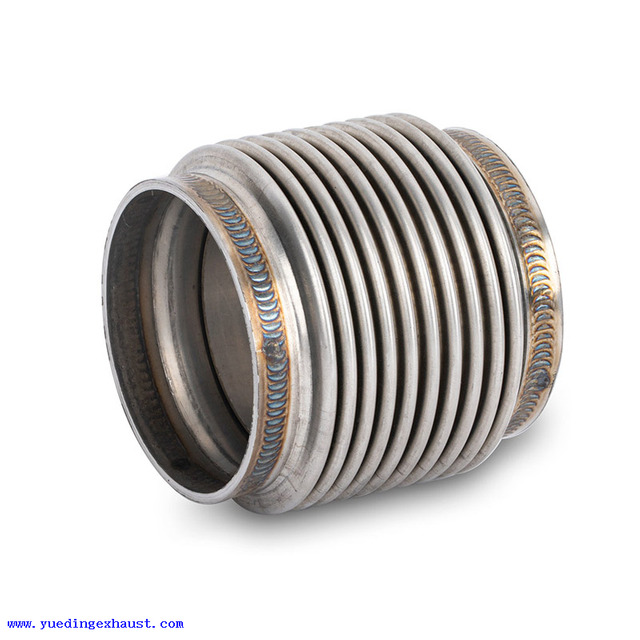
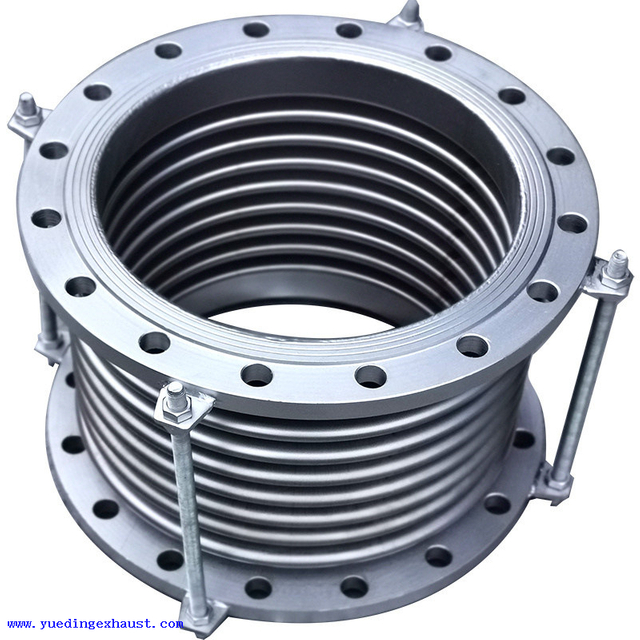
Bellows are flexible, accordion-like components designed to expand, contract, or flex under different conditions. These devices primarily serve to absorb motion, seal systems, or protect sensitive parts from contaminants, thermal expansion, or physical stress.
Made from metals or flexible polymers, bellows maintain their shape and integrity even under high pressure, extreme temperatures, or harsh environmental conditions. Their flexibility allows bellows to handle axial, lateral, or angular movements without compromising the system's integrity. Custom-designed bellows can be tailored to suit specific operational needs, ensuring optimal performance across a variety of applications.
Common Applications of Bellows
Bellows are used in several critical industries where reliability and durability are paramount:
Semiconductor: Bellows in vacuum chambers require precise motion control. These applications demand high-precision movement and contamination-free environments.
Medical: Ventilators, surgical robots, and other medical devices require bellows that provide flexibility, cleanliness, and precision for patient safety.
Automotive: Exhaust systems rely on bellows to manage thermal expansion and absorb vibrations, ensuring long-term reliability.
Aerospace: In aerospace, bellows are used in fuel and water systems, especially under extreme conditions. These applications demand materials capable of handling temperature fluctuations and mechanical stresses.
Petrochemical: Bellows are used in cryogenic and high-temperature processing environments, where they must withstand extreme thermal stresses and chemical exposure.
Industrial: In industrial systems, bellows are used in piping systems to absorb vibrations, movements, and shifts, maintaining the integrity of the entire system.
Key Factors to Consider in Application Needs
When selecting the appropriate bellows, it’s critical to evaluate the conditions in which they will operate:
Pressure: The bellows must handle pressure changes typical for your application. Bellows capable of withstanding higher pressures will help ensure system longevity and avoid unexpected failures.
Temperature: Materials that withstand extreme temperatures are crucial. Materials like high-temperature stainless steel or alloys are best suited for such environments.
Movement: The type and extent of movement the bellows must accommodate must be carefully considered. Whether it's axial, lateral, or angular movement, this will dictate the flexibility requirements and material choices.
Environmental Conditions: Assess exposure to harsh elements such as corrosive substances, dust, moisture, or vibration. For such environments, materials like PTFE (Polytetrafluoroethylene) are ideal for maintaining longevity and reliability.
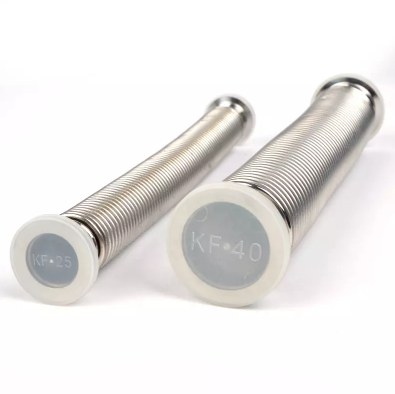
How to Assess Your Application’s Requirements for Bellows
Temperature and Pressure Requirements
When selecting bellows, temperature and pressure are crucial factors to consider. High-temperature environments often require materials such as stainless steel alloys, which offer superior resistance to heat and maintain their strength even under extreme conditions. These materials are ideal for applications like aerospace or industrial processes, where the bellows may be exposed to temperatures exceeding 1000°C.
In addition to temperature, pressure also plays a significant role in material selection. Applications that involve frequent pressure fluctuations, such as industrial piping or automotive exhaust systems, require materials that can withstand deformation without compromising their integrity. For such applications, stainless steel alloys, particularly 316 stainless steel, are often the preferred choice due to their high tensile strength and resistance to deformation under pressure.
Movement and Flexibility Needs
The type of movement the bellows must accommodate will directly influence the material choice and design. In systems like piping, axial movement is often the most common, requiring bellows that can expand and contract along a single axis. Materials like stainless steel or bronze are commonly used in these cases due to their ability to withstand repetitive expansion without losing flexibility.
However, certain applications, such as those in aerospace or medical devices, require bellows capable of handling more complex movements, including lateral and angular motions. These systems need bellows with a higher degree of flexibility and durability, such as multiply metal bellows or PTFE bellows, which can absorb multi-directional movements without failure. Understanding the type and extent of movement helps determine the appropriate material and design of the bellows to ensure optimal performance in the system.
Environmental Conditions
Bellows often operate in environments subject to harsh conditions such as corrosive chemicals, extreme temperatures, or mechanical vibrations. In such environments, the material must exhibit strong resistance to fatigue, corrosion, and wear to ensure long-lasting performance. For instance, in chemical processing plants or pharmaceutical applications, bellows must resist corrosion from aggressive substances like acids, bases, and solvents. PTFE (Polytetrafluoroethylene) bellows are an excellent choice here due to their superior chemical resistance and non-stick properties.
In vibratory environments, such as those found in industrial machinery or automotive systems, bellows need to maintain their structural integrity under constant movement. For these conditions, bellows made from stainless steel alloys like 316 or 321 are preferred because they offer excellent fatigue resistance, ensuring they won’t crack or degrade after repeated exposure to mechanical stress.
Choosing the right material for the environmental conditions is critical to minimizing the risk of failure, ensuring that the bellows perform effectively throughout their service life.
Key Materials Used in Bellows and Their Performance Features
Stainless Steel vs. Other Materials
Stainless steel is a widely used material for bellows due to its durability and resistance to both corrosion and high temperatures. However, there are various types of stainless steel, each suitable for different applications. For general use, 304 stainless steel is common, but for applications exposed to harsher environments, 316 stainless steel offers higher corrosion resistance.
For extreme high-temperature environments, materials like Inconel are essential, providing superior resistance to both heat and corrosion. For more chemically aggressive environments or food-grade applications, PTFE (Polytetrafluoroethylene) stands out due to its excellent resistance to most chemicals, high temperatures, and its non-stick properties.
| Material | Key Features | Best Applications |
|---|---|---|
| Stainless Steel | Durable, corrosion-resistant, heat-resistant | General use, industrial piping, automotive exhaust |
| PTFE | Chemical resistance, non-stick surface | Food, pharmaceutical, chemical environments |
Material Performance Under Stress
Bellows undergo continuous cycles of expansion and compression, meaning they must be able to withstand repeated stress. Fatigue resistance is key for maintaining performance in environments like aerospace or semiconductor systems, where bellows are subjected to continuous bending without failure. Materials such as AM350 and Inconel 625 are ideal for these demanding applications due to their superior fatigue resistance.
Special Considerations for Harsh Environments
For applications in environments with extreme chemical exposure, PTFE offers unparalleled chemical resistance. This material also provides low friction and non-stick properties, reducing the risk of contamination in food, pharmaceutical, or chemical industries. Its ability to operate effectively across a broad temperature range also makes PTFE bellows ideal for such applications.
Understanding the Different Types of Bellows and Their Applications
Welded Bellows vs. Hydroformed Bellows
Bellows are manufactured in different ways, with the two most common being welded and hydroformed. Welded bellows, made by welding metal diaphragms, are ideal for small-scale, high-precision applications. These are commonly found in aerospace or medical equipment where high-accuracy movement is critical. Hydroformed bellows, made by expanding a welded tube with high-pressure fluid, are used for larger, more durable components required in industrial systems.
| Bellow Type | Manufacturing Process | Ideal Applications |
|---|---|---|
| Welded Bellows | Made by welding metal diaphragms | High-precision, small-scale applications like aerospace and medical devices |
| Hydroformed Bellows | Formed by expanding a welded tube | Large, durable components in industrial systems |
| Flexible Metal Bellows | Thin metal layers for flexibility | Systems requiring high flexibility, such as piping systems |
| Multiply Metal Bellows | Multiple layers for durability | Heavy-duty industrial systems, engine components |
Flexible and Multiply Metal Bellows
Flexible metal bellows provide high flexibility and absorb a variety of movements. Multiply metal bellows, which are composed of multiple thin layers of metal, are used in applications that require enhanced flexibility, pressure resistance, and durability, such as in heavy-duty industrial systems or engine components.
Specialized Bellows: Engine Exhaust and Cryogenic Systems
Bellows for engine exhaust systems need to handle the extreme temperatures and vibrations produced in exhaust systems. Materials used for these bellows must be able to withstand high thermal stresses. In contrast, cryogenic systems require bellows made from materials designed for ultra-low temperatures, with stainless steel or specially engineered alloys being the best choices.
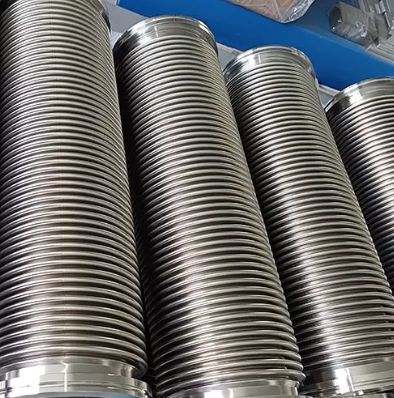
How to Evaluate Bellows Design and Manufacturing Quality
Manufacturing Processes and Quality Control
When selecting bellows, it is crucial to source them from manufacturers who adhere to stringent quality control processes. The manufacturing process should be closely monitored to ensure the bellows meet required specifications for strength, durability, and performance. High-quality bellows should meet specific design standards such as proper welding quality, material integrity, and flexibility. A thorough inspection of the materials used, especially when metals are involved, is essential to guarantee that the bellows can withstand the stresses of operation without compromising system performance.
Manufacturers with proven expertise in producing bellows will ensure that the products meet the demands of the application. They will also have experience in handling different designs, materials, and environmental conditions, which is important for producing bellows that function effectively in your system. The quality control should cover every step, from material selection to final testing, ensuring that only the most reliable bellows are shipped.
Performance Testing and Certifications
Bellows should undergo performance testing to verify that they can endure the operational stresses they will face during their service life. Common tests include vacuum testing and pressure testing to simulate real-world conditions. Vacuum testing ensures that the bellows will maintain their sealing properties under low-pressure conditions, while pressure testing confirms that they can withstand high-pressure environments without failing.
Certifications like ISO and ASME are vital, as they ensure that the bellows meet the global industry standards for quality, safety, and reliability. These certifications also indicate that the bellows have been tested under rigorous conditions and are compliant with regulatory requirements. Manufacturers who adhere to these standards can provide peace of mind, knowing that the bellows will perform effectively and safely in their intended application.
Design Features and Customization
The design of the bellows plays a significant role in determining their performance and longevity. Factors such as plate shape, thickness, and tilt angle directly influence the ability of the bellows to absorb movement without experiencing excessive wear or fatigue. For example, the shape of the plate affects its flexibility and how well it can handle pressure or vibration. Thicker plates may offer more strength but can increase the spring rate, while thinner plates provide more flexibility.
Customization of the bellows is often necessary to meet specific operational conditions. Manufacturers should offer the ability to tailor the design to your system's unique requirements, whether that involves adjusting the thickness, using a different material, or altering the plate shape for improved movement. Custom-designed bellows will maximize service life and reliability, making them a more effective solution for your system.
The Role of Manufacturers in Bellows Selection and Consultation
Importance of Collaboration with Manufacturers
Manufacturers are essential partners in selecting the right bellows for your application. They can provide invaluable guidance on material selection, design features, and performance testing. By consulting with the manufacturer early in the process, you can ensure that you are choosing the bellows that will function optimally in your system. Their expertise helps to avoid costly mistakes and ensures that the bellows selected meet both performance and budgetary requirements.
At YDCT, we pride ourselves on being a trusted manufacturer of high-quality bellows. Our team works closely with clients to understand their unique needs, offering customized solutions that optimize system performance and longevity. With our extensive experience and commitment to quality, we ensure that every bellow we produce meets the highest standards of durability and reliability.
How Manufacturers Can Assist in Material and Design Selection
Choosing the right materials and design features can be a complex task, particularly when dealing with unique or challenging operational conditions. Manufacturers have extensive knowledge of the various materials available and can assist in selecting the most appropriate one for your system. Whether you need corrosion-resistant materials for high-temperature applications or chemically aggressive environments, manufacturers will recommend the best options.
In addition, manufacturers can help refine the design to ensure that the bellows will perform optimally. This includes selecting the right plate shape, thickness, and flexibility to handle the required movement and environmental factors. They can also advise on coatings and other features that may be necessary to ensure the longevity and reliability of the bellows, helping you get the most out of your investment.
Best Practices for Installing and Maintaining Bellows
Correct Installation Techniques
Proper installation is critical to maximizing the performance and lifespan of bellows. Incorrect installation, such as over-tightening or distortion, can lead to premature failure and cause the bellows to malfunction. For example, if the bellows are over-tightened, it may affect their ability to expand or contract properly, leading to excessive stress and wear. Additionally, misalignment during installation can cause uneven movement, further compromising performance.
To ensure optimal performance, bellows should be installed according to the manufacturer's specifications. It is important to ensure that the bellows are not subjected to excessive force or tension during installation. By following the correct procedures, you can extend the service life of the bellows and prevent costly repairs or replacements down the line.
Regular Inspection and Maintenance Practices
Routine inspection and maintenance are essential for detecting early signs of wear and preventing failures before they occur. Bellows should be regularly inspected for damage such as cracks, deformation, or excessive wear. During inspections, check for any signs of corrosion, leakage, or changes in flexibility that might indicate the bellows are nearing the end of their lifespan.
Maintaining the bellows in good condition will help keep the entire system functioning smoothly. Regular maintenance should include cleaning, lubricating (if necessary), and replacing any parts that show signs of damage. Following the manufacturer's recommended maintenance schedule ensures the bellows perform at their best, avoiding unexpected downtime and extending their useful life.
| Task | Action Item | Frequency |
|---|---|---|
| Installation | Ensure proper alignment and avoid over-tightening | Per installation |
| Performance Testing | Conduct vacuum and pressure tests to check integrity | After installation and during maintenance |
| Visual Inspection | Check for signs of wear, cracks, or deformations | Monthly/Quarterly |
| Cleaning | Clean bellows to prevent contamination and buildup | As needed |
| Lubrication | Ensure proper lubrication for smooth operation | As per manufacturer’s instructions |
Conclusion
Choosing the right bellows for your application is crucial for system efficiency and durability. Assessing your specific needs—whether related to temperature, pressure, movement, or environmental conditions—helps in selecting materials and designs for long-term reliability. Collaborating with experienced manufacturers ensures you make the best choice for your system.
YDCT offers high-quality bellows that meet industry standards. Their products provide superior performance in harsh environments, ensuring longevity and minimal maintenance. Whether you need bellows for medical, automotive, or industrial applications, YDCT’s products deliver exceptional value.
FAQ
Q: What are bellows and how do they work in different applications?
A: Bellows are flexible components that expand, contract, or flex to absorb motion or provide sealing. They are used in various industries like medical, automotive, and aerospace to manage pressure, movement, and vibrations.
Q: How do I choose the right bellows for my system?
A: To choose the right bellows, consider factors like temperature, pressure, movement types, and environmental conditions. Matching these to the appropriate materials and design ensures optimal performance.
Q: Why are PTFE bellows a good choice for chemical industries?
A: PTFE bellows offer excellent chemical resistance and non-stick properties, making them ideal for chemical environments where contamination must be minimized and reliability is critical.
Q: What is the role of quality control in bellows manufacturing?
A: Quality control ensures that bellows meet the necessary design and performance standards. It includes testing materials for integrity, flexibility, and weld quality to guarantee reliability.
Q: How does the material selection affect bellows performance?
A: Material selection affects durability, flexibility, and resistance to pressure, temperature, and environmental stresses. For example, Inconel is used for high-temperature environments, while PTFE is preferred for chemical resistance.
Q: How do I maintain bellows for maximum lifespan?
A: Regular inspection, cleaning, and ensuring correct installation are key to extending bellows lifespan. Follow the manufacturer’s guidelines for maintenance to prevent wear and premature failure.
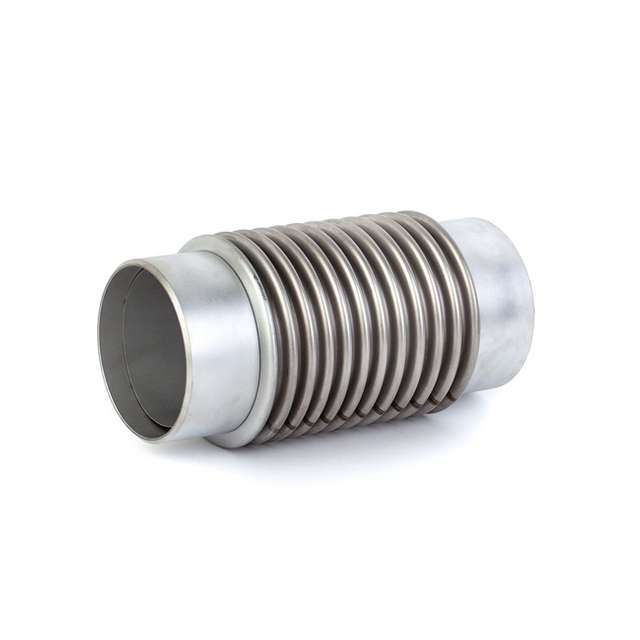
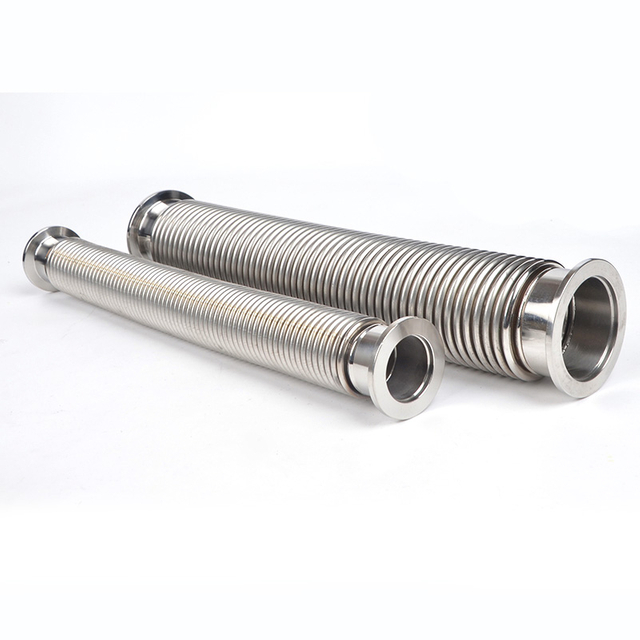


YUEDING EXHAUST
Professional manufacturing of stainless steel exhaust flexible connection components, certified under ISO and IATF systems, with stable exports to more than 100 countries, batch production combined with standard size stock, supporting detail and packaging customization, aiming to provide you with a more efficient and more predictable integrated supply solution.
Reliable Delivery
Not just speed, but stable production planning, inventory, and batch shipping, ensuring consistent delivery.

Factory Direct
Production, inspection, and packaging are integrated, with drawings going directly into production, making cost and process more transparent.

One-Stop
One system covers flex pipes, clamps, and related products, reducing switching and simplifying the process from samples to mass production.

