
Stainless Steel Flex Hose vs Exhaust Flex Pipe
A stainless steel flex hose can look very similar to an exhaust flex pipe. Both may use corrugated stainless steel and braided outer layers. However, similar appearance does not mean they perform the same job. Their internal structure, movement capability, and connection methods can differ greatly. Choosing the wrong type may cause poor movement control or installation problems. In this article, we compare their structures, movement, connections, and typical applications. You will also learn how system function and movement requirements should guide the final choice.

Stainless Steel Flex Hose vs Exhaust Flex Pipe: What Is the Actual Difference?
The main difference comes from their intended system function. A stainless steel flex hose acts as a flexible media-carrying assembly. An exhaust flex pipe acts as a movement-control section inside exhaust piping. That distinction affects almost every specification. Pressure, bend radius, fittings, liners, movement, and installation methods all change.
Comparison Point | Stainless Steel Flex Hose | Exhaust Flex Pipe |
Main purpose | Flexible media transfer | Exhaust vibration and movement control |
Typical structure | Corrugated hose plus braid | Bellows or flexible tubing, braid, optional liner |
Main movement | Bending and controlled lateral movement | Vibration, thermal growth, limited angular movement |
Pressure focus | Often important | Usually secondary to exhaust flow and temperature |
Connections | Threads, flanges, weld ends, tube fittings | Weld ends, clamps, pipe ends, exhaust flanges |
Typical use | Process piping and industrial equipment | Engines, vehicles, generators, exhaust systems |
Key selection factors | Media, pressure, temperature, bend radius | Temperature, vibration, diameter, length, location |
Construction: Pressure-Carrying Hose Assembly vs Exhaust Flex Section
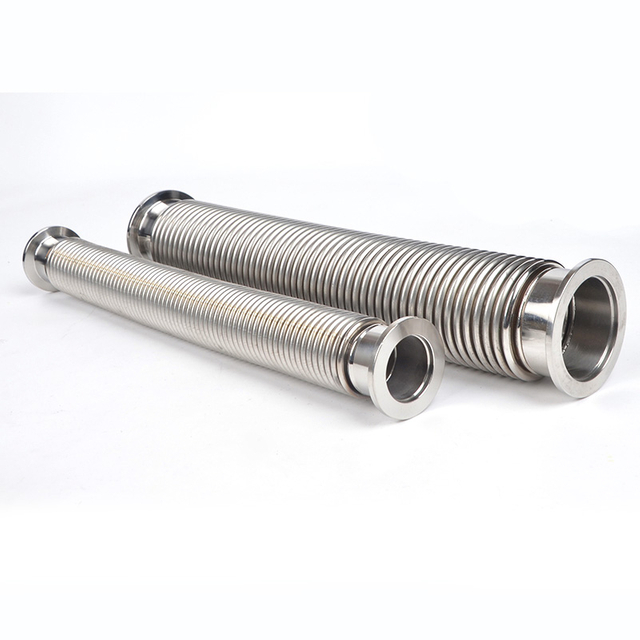
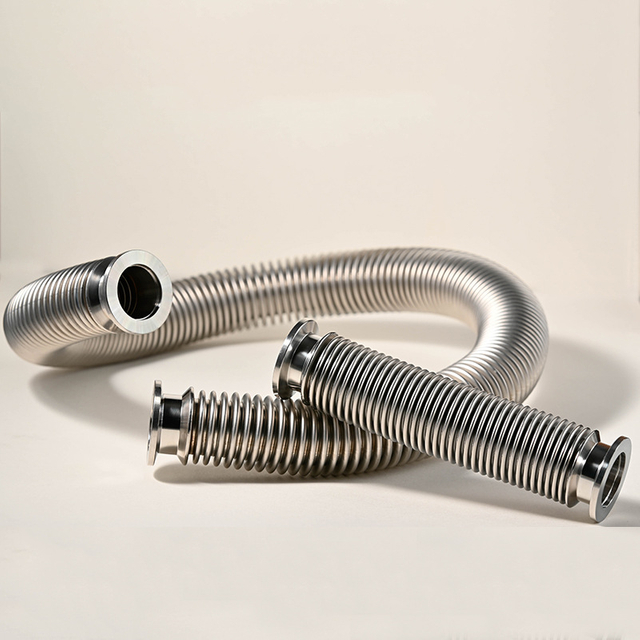
A typical stainless steel flexible metal hose uses a thin corrugated metal core. An outer braid may surround this core. The complete assembly also includes suitable end fittings. The corrugations provide flexibility while containing the flowing medium. The braid controls pressure-related movement and protects the hose.
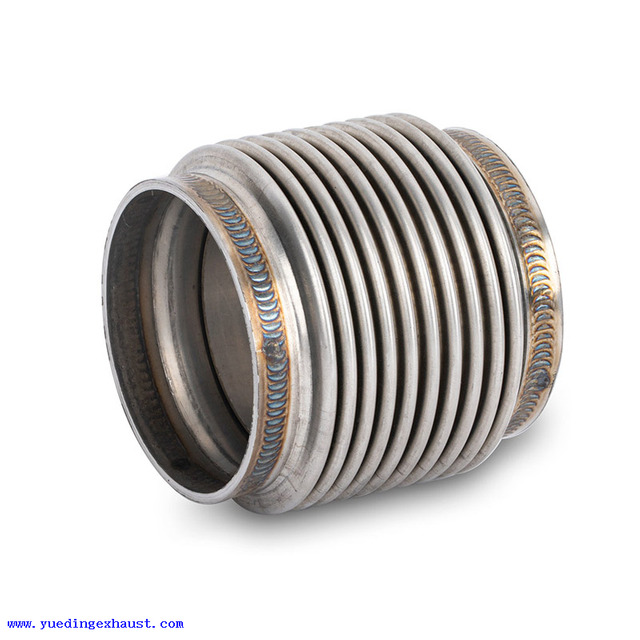
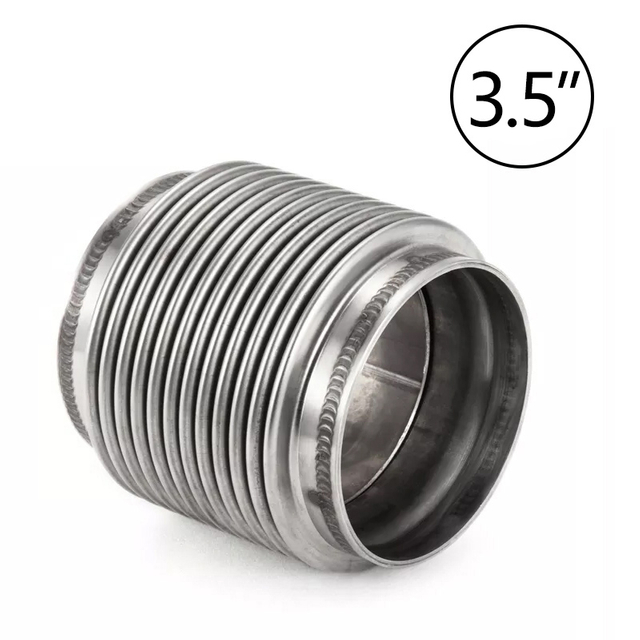
Industrial products often specify working pressure and bend radius separately. An exhaust flex pipe uses a different design priority. It may contain bellows, outer braid, and an internal liner. Some designs use flexible tubing instead of exposed bellows construction. These layers mainly support movement and exhaust durability. An internal interlock liner can also protect the bellows from hot exhaust flow.
Movement: Bending Flexibility vs Exhaust-System Compliance
A stainless steel flexible hose often handles controlled bending during service. It may also absorb equipment vibration or small piping movements. Its allowable bend radius remains an important design limit. An exhaust flex pipe works differently. It sits between moving exhaust components and more rigid downstream piping. It helps reduce stress from engine movement and repeated temperature changes. The flex section should not become a general-purpose bend. It works best near a neutral installed position. Severe misalignment can shorten its service life.
Connection: Engineered End Fittings vs Exhaust Pipe Connections
Industrial stainless steel flex hose assemblies may use many fitting styles. Common options include threaded fittings, flanges, weld ends, and tube connections. Those fittings form part of the complete pressure boundary. Their materials must suit the flowing medium and operating temperature. Exhaust flex pipes usually connect to rigid exhaust tubing. They may use welded collars, pipe extensions, clamps, or flanges. Connection choice often depends on fabrication and maintenance needs. A welded exhaust coupling can create a compact assembly. A clamped section may simplify future replacement. The surrounding pipe still needs proper alignment and support.
Pressure and Flow: Process Media vs Exhaust Gas
Pressure can be a major requirement for stainless steel flex hose. A hose carrying gas, steam, liquid, or chemicals needs a suitable working rating. Braid construction often affects allowable pressure. Hose diameter and temperature can also change the usable rating. Buyers should therefore review the complete data sheet. Exhaust flex pipe faces another set of priorities. Exhaust gas temperature, pulsation, vibration, and flow restriction usually matter more. The internal design can influence exhaust flow. Some exhaust couplings use inner braid or interlock liners. These liners also shield the corrugated section from direct hot-gas exposure.
Installation Position: Flexible Transfer Line vs Short Compensating Section
A stainless steel flex hose may connect two separate equipment points. It can form a functional section of the media path. For example, it may connect pumps or process equipment. The routing must still respect its allowable bend radius. An exhaust flex pipe normally occupies a shorter exhaust-system location. Common positions include engine outlets, downpipes, and generator exhaust connections. Its location should intercept movement before stress reaches rigid components. Proper support remains necessary downstream. The flex section should never support heavy exhaust piping.
Quick Selection Rule: Which One Should You Use?
Choose a stainless steel flex hose when controlled media transfer is central. Pressure, temperature, chemical compatibility, and bending usually guide the selection. Choose an exhaust flex pipe when engine-generated movement drives the problem. It should manage vibration, thermal movement, and exhaust-system stress.
Use these simple questions before requesting a quotation:
Are you carrying liquid, steam, gas, or process media?
Does the line require a defined pressure rating?
Must the assembly repeatedly bend during operation?
Is engine vibration the main movement source?
Will the component sit directly inside an exhaust line?
Does the installation need an exhaust-specific liner?
These questions usually separate both product groups quickly.
How Their Structures Change What They Can Actually Do
The visible metal braid tells only part of the story. Internal construction determines what loads the component can safely handle. Two products can share similar materials yet behave differently. Their design priorities still remain separate.
Corrugated Core and Outer Braid in a Stainless Steel Flex Hose
The corrugated core forms the flexible pressure-containing section. Its geometry allows the assembly to bend without using rigid elbows. The outer braid performs another job. It helps restrain pressure-related expansion and protects the corrugated core. Some assemblies use multiple braid layers for higher pressure demands. This is why braid should not be judged visually. Coverage, wire construction, hose diameter, and design pressure all matter. Industrial hose data commonly separates pressure ratings and bend limits.
Bellows, Outer Braid, and Inner Liner in an Exhaust Flex Pipe
A modern exhaust flex coupling can contain several functional layers. The corrugated section provides movement capability. The outer mesh helps control and protect this section. An inner braid may create a smoother gas path. An interlock liner provides stronger internal shielding. High-flow applications may benefit from this construction. However, the liner does not turn the product into pressure hose. The assembly still belongs to an exhaust system. Its structure serves exhaust movement and flow conditions.
Why Similar Stainless Steel Layers Do Not Make Them Interchangeable
Stainless steel provides useful heat and corrosion resistance. It does not define the component's complete function. A stainless steel flex hose may face internal pressure cycles. An exhaust flex pipe may experience stronger thermal cycling and engine vibration. Their fatigue patterns can therefore differ greatly. Their end connections also transfer different loads. Buyers should compare design duty before comparing material grade.
How Stainless Steel Flex Hose and Exhaust Flex Pipe Move Differently
Flexible does not mean unrestricted movement. Every flexible component performs better within a defined motion pattern. The wrong installation can concentrate stress in one area. Repeated stress eventually causes fatigue or leakage.
Bend Radius and Dynamic Flexing in Stainless Steel Flex Hose
A stainless steel flex hose can follow a curved installation path. However, every design has a minimum acceptable bend radius. Static bending happens when the installed shape remains mostly fixed. Dynamic bending happens when movement repeats during operation. Dynamic service usually creates greater fatigue demands. The hose needs enough active length to distribute bending. Tight bends near fittings should be avoided.
Axial and Angular Movement in an Exhaust Flex Pipe
Engine movement creates several movement directions. Exhaust components may shift axially, laterally, or at small angles. Thermal expansion adds another source of displacement. The pipe grows as exhaust temperature rises. It contracts again during shutdown. The exhaust flex section absorbs part of this changing motion. Donaldson describes flex tubing as a way to absorb vibration and thermal expansion. The component should still remain near its intended position. Excessive extension or compression can damage the flexible section.
Why Twisting Either Flexible Component Is a Problem
Neither product should be treated as a universal swivel. Twisting can place unwanted stress into corrugations and welded areas. Routing should therefore match the expected motion plane. End connections should also align before final tightening or welding. Never force a flexible section into position. Correct pipe geometry should solve major misalignment first. Flexibility should handle movement during service.
Connection Methods: How Each Product Becomes Part of the System
Connection style often reveals the product's real purpose. Industrial hose assemblies usually arrive with defined end fittings. Exhaust flex sections often become part of fabricated piping. They may therefore require welding, clamping, or additional tube sections.For easier weld-on integration, an exhaust flexible pipe with nipple uses pre-welded extension ends that connect directly to adjoining exhaust tubing.
Stainless Steel Flex Hose End Fittings
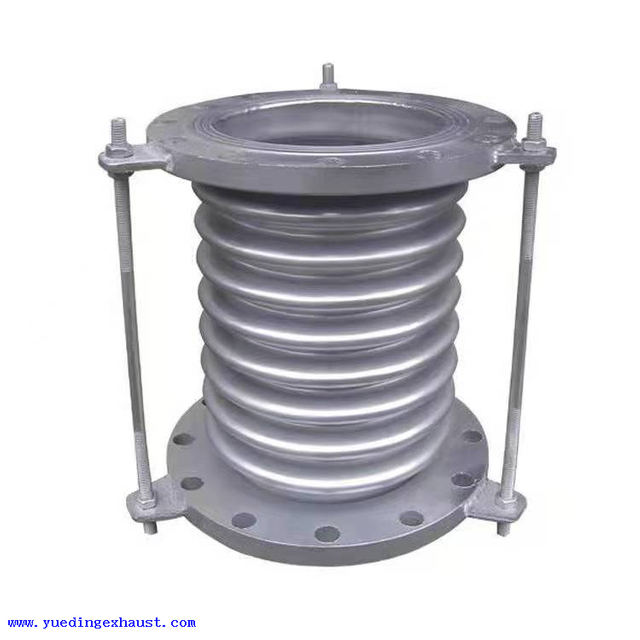
Common options include threaded ends, flanges, tube ends, and welded fittings. Specialized systems may use sanitary or application-specific connections. The fitting should match both the equipment and the medium. Material compatibility also matters across the complete assembly. The flexible length should remain free to move. Heavy equipment loads should not rest on the hose fittings.
Exhaust Flex Pipe Weld, Clamp, and Flange Connections
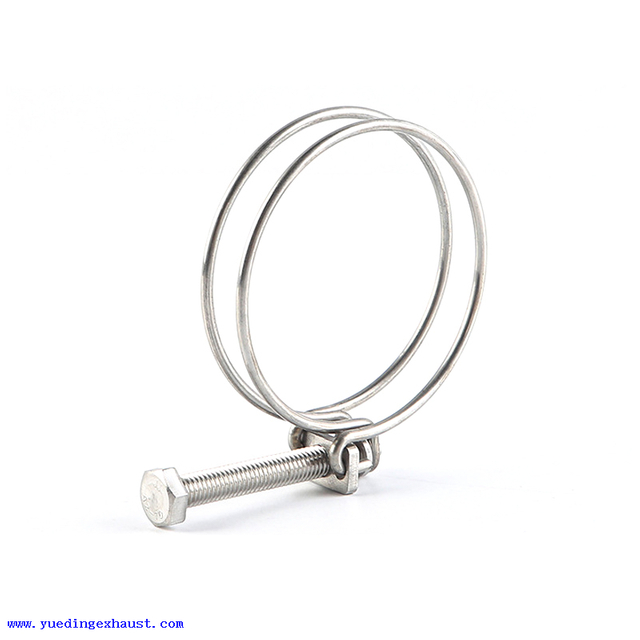
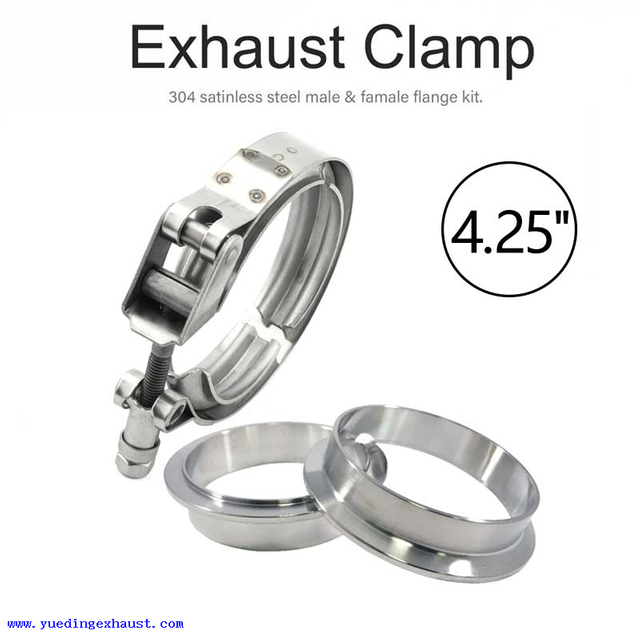
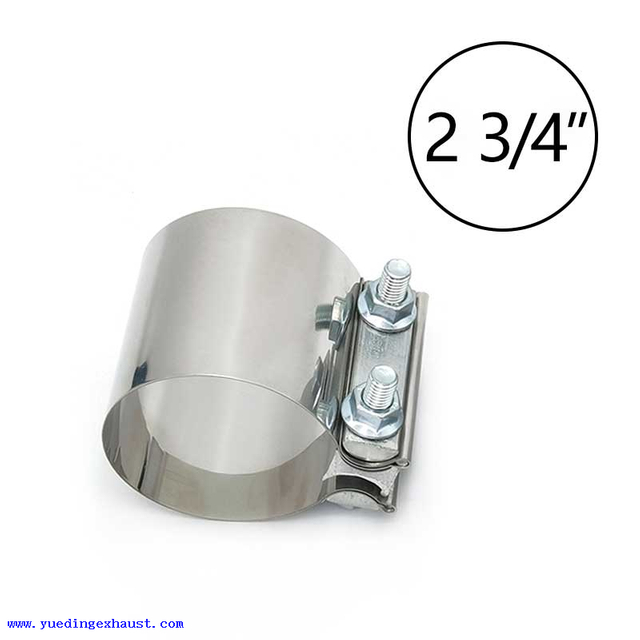
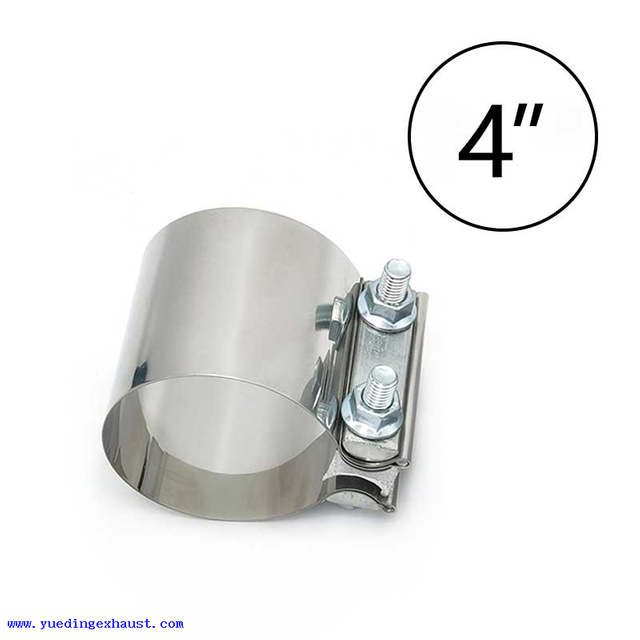
Many exhaust flex couplings are welded between rigid tube sections. This creates a compact and permanent connection. Other systems use flex tubing and heavy exhaust clamps. Commercial exhaust systems commonly use this arrangement. Walker recommends suitable clamps for its flex tubing installations. Flanged connections can help during service work. However, the flange should not create excessive bending load. Supporting pipework remains important.
Why Connection Method Matters to Fatigue and Leakage
Poor connection geometry can shorten service life quickly. Misaligned tubing can preload the flexible section before operation begins.
Several problems commonly deserve attention:
Do not stretch the flex section during installation.
Do not compress it to close a piping gap.
Keep weld areas aligned before joining them.
Support heavy downstream exhaust components separately.
Avoid sharp bends beside hose end fittings.
Check clamps after repeated heat cycles.
These basic practices reduce avoidable stress. They also make failure diagnosis much easier.
Where Should Each One Be Used?
Application remains the easiest final check. Ask what the system actually needs from its flexible component. The answer should describe the duty clearly. It should not simply say “stainless steel flexibility.”
Typical Stainless Steel Flex Hose Applications
Stainless steel flex hose appears across many industrial systems. Typical applications include process piping, pumps, compressors, and HVAC equipment. It may also handle steam or compatible gases. Chemical processing is another common area. The exact hose must suit the actual medium. Pressure and temperature should always be checked together. Corrosion conditions also affect material selection. A general stainless steel label is not enough.
Typical Exhaust Flex Pipe Applications
Exhaust flex pipe belongs mainly inside combustion-engine exhaust systems. Common applications include cars, trucks, generators, and construction equipment. Industrial diesel engines can also use flexible exhaust connections. The section helps isolate vibration from downstream rigid piping. High-temperature locations may need stainless steel construction. Turbo outlet areas are one example. Exhaust diameter must still match system flow requirements.
The Gray Area: Industrial Engine and Generator Installations
Generator systems can make product names confusing. Suppliers may describe a component as flexible hose, flex connector, or exhaust bellows. The name alone does not solve the selection. We should check the actual construction and duty. A generator exhaust connector should handle vibration and thermal movement. It must also suit the expected exhaust temperature and flow. A general process hose should not replace it automatically. Likewise, an exhaust flex pipe should not replace pressure-rated industrial hose.
How to Choose Between Stainless Steel Flex Hose and Exhaust Flex Pipe
A reliable selection process starts with the system. Product names should come later. This approach reduces specification errors. It also gives suppliers enough information for useful recommendations.
Start With the Function, Not the Product Name
First identify what flows through the component. Then define the operating pressure and temperature. Next, identify why flexibility is needed. The answer may involve bending, vibration, thermal growth, or equipment movement. Use this order: Media → Pressure → Temperature → Movement → Connection → Installation Position. This sequence usually points toward the correct product type.
Check Movement Before Choosing Length
Longer does not automatically mean better. Excess length can create poor routing or unsupported movement. For stainless steel flex hose, confirm the required bend radius. Also define whether movement is static or dynamic. For exhaust flex pipe, identify the vibration source. Check thermal growth and available installation length. The section should remain relaxed during installation.
Match the Connection to the Existing System
Measure the mating components before placing an order. Confirm pipe outside diameter, flange size, thread type, or tube connection. Also consider how the assembly will be installed. A welded connection needs suitable fabrication access. A removable connection may simplify maintenance. However, it still needs reliable sealing and mechanical support.
Verify the Ratings That Actually Matter
The required specifications depend on the product’s actual duty. A stainless steel flex hose focuses more on media transfer and controlled flexibility, while an exhaust flex pipe focuses on heat, vibration, and exhaust-system movement. For a stainless steel flex hose, first confirm the flowing medium, working pressure, and operating temperature. Then check the nominal diameter, required bend radius, hose and braid construction, corrosion conditions, and suitable end fittings. For an exhaust flex pipe, start with the engine or equipment type, exhaust diameter, and operating temperature. Installation position, flex length, vibration level, and expected thermal movement should also be defined. Finally, confirm the inner liner, end connection, and downstream support arrangement. These details help suppliers recommend a suitable construction and reduce unnecessary product substitutions.
Conclusion
A stainless steel flex hose and exhaust flex pipe may look similar, but they serve different system duties. Selection should follow media, pressure, temperature, movement, diameter, connections, and installation conditions. Zhejiang Yueding Corrugated Tube Co., Ltd. provides flexible exhaust solutions designed to manage vibration and thermal movement. Its products help buyers match exhaust connections to real operating needs and simplify specification decisions.
FAQ
Q: Is stainless steel flex hose the same as exhaust flex pipe?
A: No. A stainless steel flex hose mainly supports media transfer and pressure service. An exhaust flex pipe mainly absorbs engine vibration, thermal expansion, and limited exhaust-system movement.
Q: When should I use a stainless steel flex hose?
A: Choose a stainless steel flex hose when media compatibility, pressure, temperature, bend radius, and flexible connections are important system requirements.
Q: What are the advantages of an exhaust flex pipe?
A: An exhaust flex pipe reduces stress between moving engine components and rigid exhaust piping. It can help protect welds, joints, and downstream components from vibration.Q: What affects stainless steel flexible hose and exhaust flex pipe prices?
Q: What affects stainless steel flexible hose and exhaust flex pipe prices?
A: Cost depends on diameter, length, stainless steel grade, braid or liner design, pressure requirements, end fittings, and customization.
Q: Why does an exhaust flex connector fail early?
A: Common causes include poor alignment, excessive stretching, twisting, unsupported exhaust weight, severe vibration, or incorrect installation length.








About Yueding
YUEDING manufactures stainless steel exhaust flexible connectors, clamps, metal bellows, and selected automotive exhaust components under ISO and IATF quality systems. With in-house production, inspection, and packaging capabilities, we support bulk orders, standard-size inventory, and customized branding for global B2B customers.
Reliable Delivery
Stable production planning, standard-size inventory, and batch shipping support help make delivery more predictable.

Factory Direct
Production, inspection, and packaging are managed in-house, making communication, quality control, and customization more efficient.

Integrated Supply
We supply flex pipes, clamps, metal bellows, and selected exhaust components to support related purchasing needs from one manufacturer.

