
Universal Vs Vehicle-Specific Exhaust Flex Pipes: What’s The Difference?
Choosing the wrong exhaust flex pipe can turn a simple repair into an expensive problem. A matching diameter alone does not guarantee proper fitment. Universal and vehicle-specific Exhaust Flex Pipes both absorb engine vibration, movement, and thermal expansion. However, they differ in dimensions, connection designs, and installation requirements. Universal options require careful measurements and may need welding or other modifications. Vehicle-specific replacements follow defined exhaust configurations and may offer easier installation. Understanding these differences helps you avoid ordering mistakes and unnecessary repair costs. This guide compares fitment accuracy, installation work, and overall cost. In this article, you'll also learn what to check before choosing a reliable replacement.

Universal vs Vehicle-Specific Exhaust Flex Pipes: How Do They Compare?
The main difference concerns how each replacement fits the existing exhaust system. Universal options rely on measured dimensions and suitable installation methods. Vehicle-specific options follow the requirements of particular vehicle configurations. Both can work effectively when selected and installed correctly. However, their compatibility and installation requirements are not interchangeable.
Universal Flex Pipes: Flexible Replacement Options That Require Fitment Verification
Universal flex pipes come in various diameters, lengths, and construction styles. They are designed for use across different exhaust repair applications. Their main advantage is adaptability. A technician can replace a damaged flexible section without necessarily replacing the entire exhaust assembly.
For example, an exhaust pipe may remain serviceable despite a cracked flexible connector. A correctly sized universal replacement can restore the connection through suitable fabrication.
However, universal does not mean every part fits every vehicle. Technicians must verify dimensions, connection requirements, and available installation space. Some replacements require welding, while others support compatible clamp connections. This makes universal options particularly useful for exhaust repair workshops and custom fabrication projects.
Vehicle-Specific Flex Pipes: Designed Around a Defined Exhaust Configuration
Vehicle-specific flex pipes are designed for particular exhaust systems or vehicle applications. Their dimensions and connections may match the original component. Some replacements include shaped pipes, mounting points, flanges, or other attached components. These features can simplify installation when the correct application is identified.
However, vehicle-specific does not always mean direct-fit. Certain replacement components still require cutting or welding. Compatibility also depends on the vehicle's actual configuration. Engine versions, production changes, and previous exhaust modifications may affect fitment.
The following table summarizes the practical differences.
Comparison Factor | Universal Flex Pipe | Vehicle-Specific Flex Pipe |
Fitment basis | Verified measurements | Vehicle or OE application |
Dimensions | Standardized size options | Application-specific configuration |
Connection design | May require adaptation | May match original connections |
Installation | Often requires fabrication | May allow direct replacement |
Typical use | Sectional repairs and modifications | Original configuration restoration |
Main risk | Incorrect measurements | Incorrect application identification |
Cost considerations | Part may cost less; labor may increase | Part may cost more; labor may decrease |
The better option depends on the repair situation. A universal component suits many localized repairs. A correctly matched vehicle-specific assembly may reduce installation work.
Which Measurements Determine Whether a Flex Pipe Will Fit?
Accurate measurements are essential when replacing exhaust flex pipes. Even small dimensional differences can create installation problems. A matching diameter alone does not guarantee compatibility. Length, connection geometry, and surrounding clearance also matter.
Pipe Diameter, Overall Length, and Flexible Section Length
Start by measuring the existing exhaust pipe at its connection points. Determine whether the replacement requires an inside diameter or outside diameter measurement. Inside diameter (ID) describes the opening inside a pipe. Outside diameter (OD) measures its external width.
These measurements are not interchangeable. A slip-fit connection may require different dimensions from a welded butt joint. For example, two components might share a nominal diameter. However, their actual connection dimensions may differ. Selecting them without checking the joint design can create sealing problems.
Length requires similar attention. Two measurements are particularly important:
Overall length: The complete distance between the component's ends.
Flexible section length: The length occupied by the active corrugated section.
A replacement that is too short may leave insufficient connection material. An excessively long component may interfere with nearby parts. The flexible section must also accommodate normal operating movement. A replacement should not remain permanently stretched or compressed after installation. Record these dimensions before ordering. Use drawings or physical samples when product measurements are unclear.
End Connections, Installation Position, and Clearance Requirements
Exhaust flex pipes may have plain ends, extended sleeves, or integrated connections. Some vehicle-specific assemblies also include flanges or mounting features. Each connection requires a suitable installation method. Plain ends often suit welding applications. Sleeved ends may support compatible overlapping pipe connections. Flanged assemblies require matching bolt patterns and sealing surfaces.
The available installation space is equally important. Exhaust systems often run close to structural components and heat-sensitive parts. Check the distance between the flexible section and nearby equipment. Consider brackets, heat shields, catalytic converters, and adjoining pipes. A component may match every listed dimension but still interfere during installation.
For flanged assemblies, verify the following details:
Connection diameter and sealing surface
Bolt-hole arrangement and spacing
Flange orientation and thickness
Gasket requirements
Available clearance around the connection
Never force a replacement into a poorly aligned exhaust system. Excessive installation stress can shorten its service life.
How Do Universal and Vehicle-Specific Flex Pipes Differ During Installation?
Installation requirements can significantly influence the final repair cost. Two suitable replacements may need very different amounts of workshop labor. Universal components often require local fabrication. Vehicle-specific assemblies may simplify replacement when their original connections remain compatible.
Cutting, Welding, and Alignment Requirements for Universal Replacements
Installing a universal flex pipe usually begins by removing the damaged section. The technician first identifies suitable cutting points on the existing exhaust. These locations must provide enough sound material for secure connections. After removal, the replacement is positioned between the remaining pipe sections. Both ends must align without twisting or stretching the flexible element.
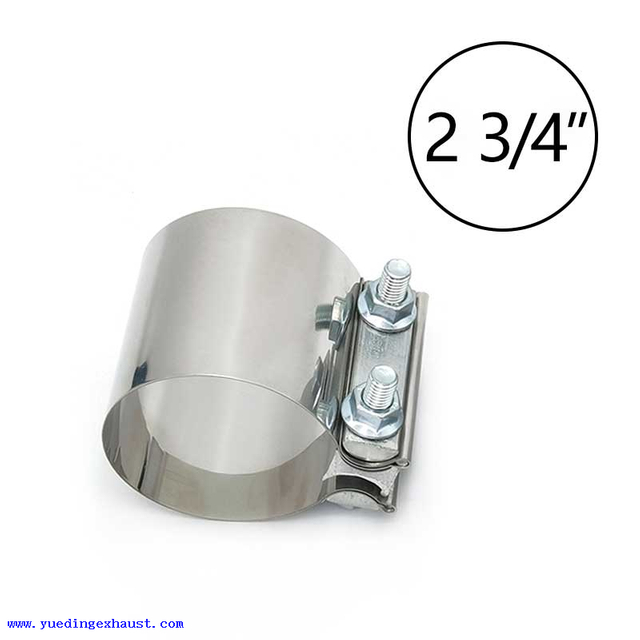
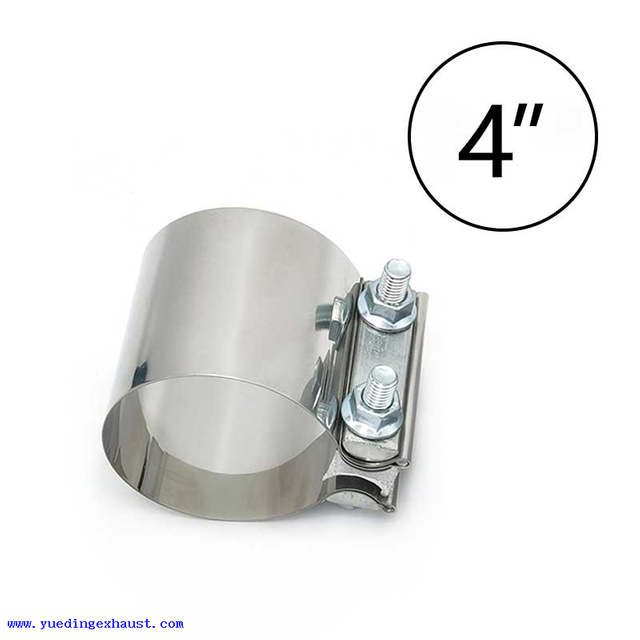
Weld-on replacements require suitable welding procedures and careful joint preparation. Poor welds can create exhaust leaks or damage nearby components. Some universal products support clamp-on installation. However, clamp compatibility depends on pipe dimensions, joint design, and available connection length.
Not every exhaust position suits a no-weld repair. Proper installation also requires inspecting nearby hangers and brackets. These components support the exhaust and help control movement. A new flex section should not carry loads caused by damaged supports. Otherwise, premature fatigue may occur. After installation, technicians should inspect the joints for leaks under appropriate operating conditions.
Direct Replacement and Connection Checks for Vehicle-Specific Parts
Vehicle-specific replacements may reduce fabrication when their connections match the original assembly. For example, a correctly matched assembly may use existing flanges and mounting locations. This can eliminate several cutting and welding steps.
However, technicians should still inspect the surrounding exhaust system. Corroded fasteners, damaged gaskets, and distorted flanges can complicate installation. Previous modifications may also prevent an otherwise compatible part from fitting. The replacement must align naturally before its connections are fully secured. Pulling rigid sections together can create unnecessary stress.
Installers should also inspect hangers and mounting hardware. These components help maintain the intended exhaust position. The difference becomes important when evaluating workshop capabilities. A fabrication-equipped repair shop may install universal parts efficiently. Another workshop may prefer complete, verified replacement assemblies. Neither approach is automatically easier under every condition.
How Do Construction and Exhaust Movement Affect Replacement Suitability?
Fitment determines whether a replacement can be installed. Construction and operating conditions influence how well it performs afterward. Both universal and vehicle-specific exhaust flex pipes can use different internal structures. Neither classification guarantees better materials or longer service life.
Innerbraid, Interlock, and Bellows Construction
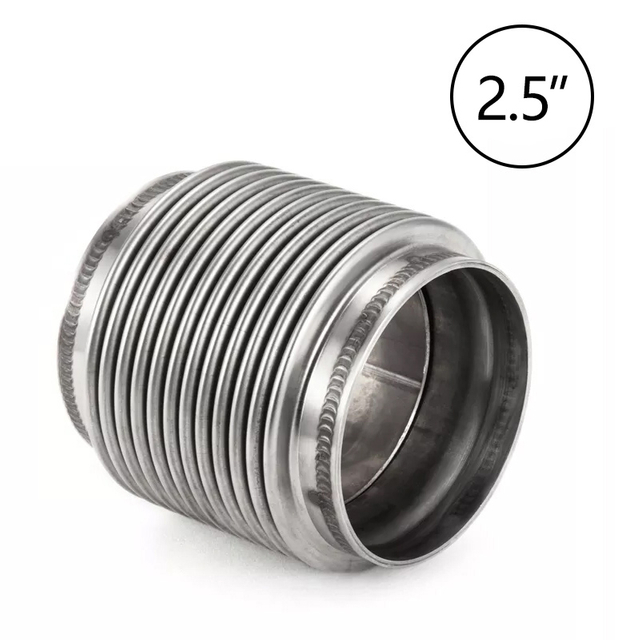
Most automotive flex pipes use a corrugated metal element that permits controlled movement. Many also include external stainless steel braiding for added protection. However, internal construction varies between products. Innerbraid designs use an internal braided liner.
This structure can help protect the corrugated element from direct exhaust flow. Interlock designs use an internal metal liner formed from interlocking sections. Depending on its design, it can provide a smoother internal flow path.
The bellows structure supplies the primary flexible movement. Its geometry and material influence fatigue behavior and movement capacity. Construction choices should reflect actual operating conditions. Consider exhaust temperature, vibration, corrosion exposure, and internal flow requirements.
For example, a replacement installed near a high-temperature exhaust connection may face different demands. A downstream application may experience different movement and environmental conditions.
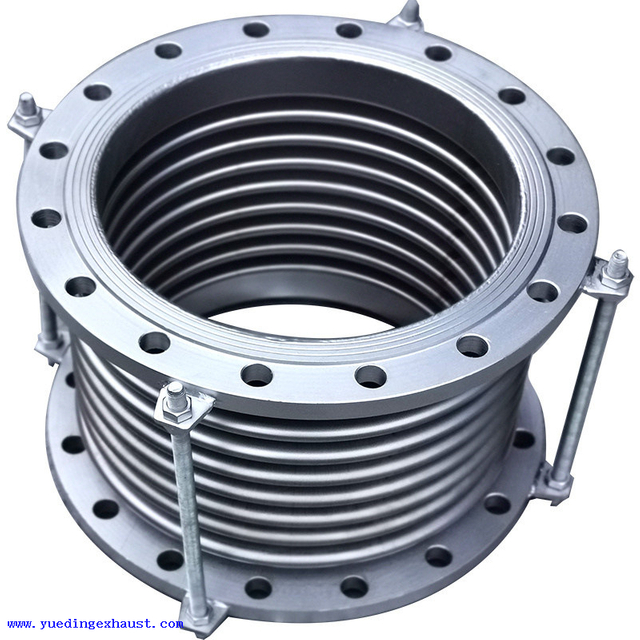
At Yueding, we offer exhaust flex pipes for different replacement and assembly requirements. We help customers evaluate liner construction, effective length, and connection specifications before ordering.
However, an interlock liner does not automatically improve engine performance. Likewise, an additional protective layer does not guarantee longer service life. Correct selection requires considering the complete component design.
Movement Capacity and Installation Stress
Exhaust systems experience movement whenever the engine operates. Engine vibration, acceleration, and temperature changes create repeated mechanical loads. The flexible section helps accommodate these movements. However, its available movement capacity is limited by its design.
A short replacement may lack sufficient movement allowance. An incorrectly positioned component may experience excessive bending. The opposite problem also occurs. A longer flex section cannot automatically correct poor exhaust alignment.
Repeated failures often indicate problems beyond the replacement component. Potential causes include damaged engine mounts, loose hangers, and incorrect pipe positioning. These conditions may create abnormal movement or concentrated stress.
Inspect the surrounding system before fitting another replacement. A properly installed flex pipe should operate near its intended neutral position. It should accommodate normal movement without carrying unnecessary structural loads.
Which Option Offers Better Total Repair Value?
Purchase price provides only part of the cost comparison. Installation labor, additional materials, and future repair risks also affect the final expense. Universal flex pipes may cost less than complete vehicle-specific assemblies. However, installation can involve cutting, welding, and additional connection materials.
These tasks increase workshop time and equipment requirements. Vehicle-specific replacements may have higher initial prices. However, a correctly matched direct-fit assembly can reduce fabrication work. The total cost depends on the actual repair.
Consider a vehicle whose flexible section has failed. Its surrounding exhaust pipes remain structurally sound. Replacing only the damaged section may avoid unnecessary assembly replacement. Now consider an exhaust system suffering extensive corrosion near the flexible connector. Replacing a larger assembly may be more practical.
The cheapest component is not always the cheapest repair. An incorrect universal replacement may require additional modifications. An incorrectly identified vehicle-specific assembly may need returning or replacing.
Poor connections can also cause leaks and repeated workshop visits. For distributors, inventory management introduces another consideration. Standardized universal sizes can support multiple repair applications. However, clear dimensional specifications remain essential for accurate selection.
Vehicle-specific parts require more detailed application identification. Their inventory value depends on customer demand and verified compatibility.
How Should You Choose Between Universal and Vehicle-Specific Exhaust Flex Pipes?
The right choice begins by examining the damaged exhaust system. Avoid selecting replacement parts based solely on price or product appearance. A simple decision process can reduce ordering mistakes.
1. Identify the Existing Exhaust Configuration
Determine whether the flex section is part of a larger assembly. Inspect nearby connections, supports, and rigid pipe sections. If the surrounding components remain serviceable, a sectional repair may be practical.
2. Confirm Available Vehicle Information
Record the vehicle model, engine configuration, and relevant production details. Check the original component number whenever available. Vehicle-specific replacement claims should match reliable application information. Do not assume compatibility based only on vehicle appearance.
3. Assess the Condition of Surrounding Components
Look for corrosion, cracks, damaged connections, and previous repairs. A universal replacement may suit an isolated failure. Wider damage may justify replacing a larger assembly.
4. Match Dimensions and Construction Requirements
Compare pipe diameter, overall length, flexible length, and connection design. Consider operating temperature, expected movement, and surrounding clearance. Request additional specifications when product information is incomplete.
5. Evaluate Installation Capabilities
Confirm whether the workshop can perform the required installation. A weld-on component requires suitable equipment and technician expertise. Clamp-on connections require compatible fittings and sound pipe surfaces.
6. Select the Lowest-Risk Practical Replacement
Choose a universal flex pipe when measurements are verified and fabrication is appropriate. Choose a vehicle-specific replacement when confirmed compatibility offers an installation advantage.
If essential information remains unavailable, obtain measurements or drawings before ordering. For purchasing teams, clear technical communication is especially valuable.
Conclusion
Universal exhaust flex pipes offer flexibility for sectional repairs, while vehicle-specific replacements may simplify installation. Both options can provide reliable performance when correctly selected and installed. The best choice depends on exhaust geometry, connection compatibility, and surrounding component conditions. Universal options suit verified dimensions and professional fabrication, while vehicle-specific parts can reduce unnecessary modifications. Zhejiang Yueding Corrugated Tube Co., Ltd. offers exhaust flex pipes in various sizes and construction designs. Our product options and specification support help customers identify suitable solutions for different repair requirements. Always verify dimensions, connections, and operating conditions before choosing a replacement.
FAQ
Q: What Is the Difference Between Universal and Vehicle-Specific Exhaust Flex Pipes?
A: Universal exhaust flex pipes fit various applications after dimensional verification and possible modifications. Vehicle-specific replacements follow defined exhaust configurations, often reducing installation work when compatibility is confirmed.
Q: Can Universal Exhaust Flex Pipes Fit Any Vehicle?
A: No, universal exhaust flex pipes are not compatible with every vehicle. Proper fitment requires matching pipe diameter, overall length, connection design, and available installation space.
Q: Do Universal Exhaust Flex Pipes Require Welding?
A: Not always. Some universal exhaust flex pipes support compatible clamp-on connections. Others require cutting and welding. The correct installation method depends on connection design and pipe condition.
Q: Are Universal Flex Pipes Cheaper Than Vehicle-Specific Replacements?
A: Universal flex pipe replacements often have lower purchase prices. However, welding and fabrication may increase labor costs. Vehicle-specific assemblies can reduce installation expenses when they fit correctly.
Q: How Do I Choose the Correct Exhaust Flex Pipe Size?
A: Measure the existing pipe diameter, overall length, and flexible section length. Check connection types and installation clearance. These measurements help prevent poor alignment and exhaust leaks.
Q: Why Might a Replacement Exhaust Flex Pipe Fail Prematurely?
A: Incorrect alignment, excessive engine movement, or damaged exhaust hangers can cause premature failure. Inspect surrounding components and confirm movement requirements before installing another replacement.




About Yueding
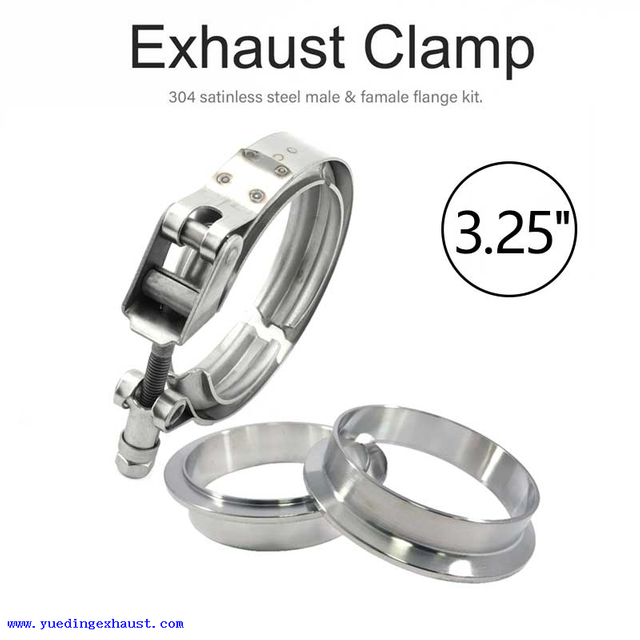
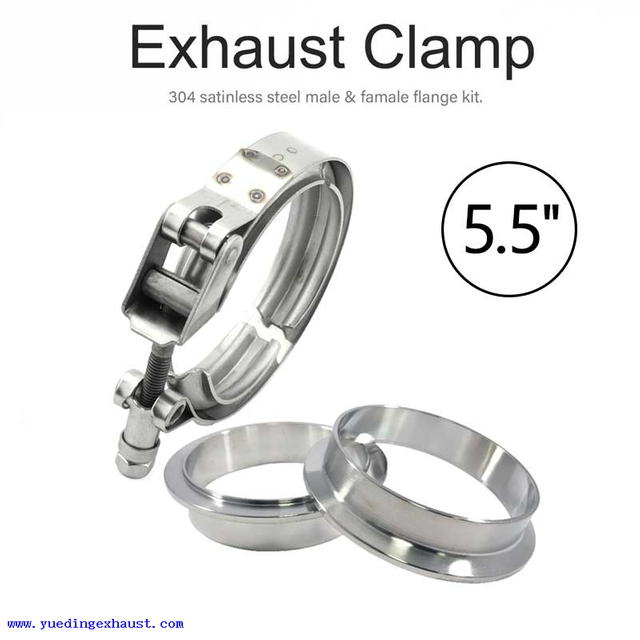
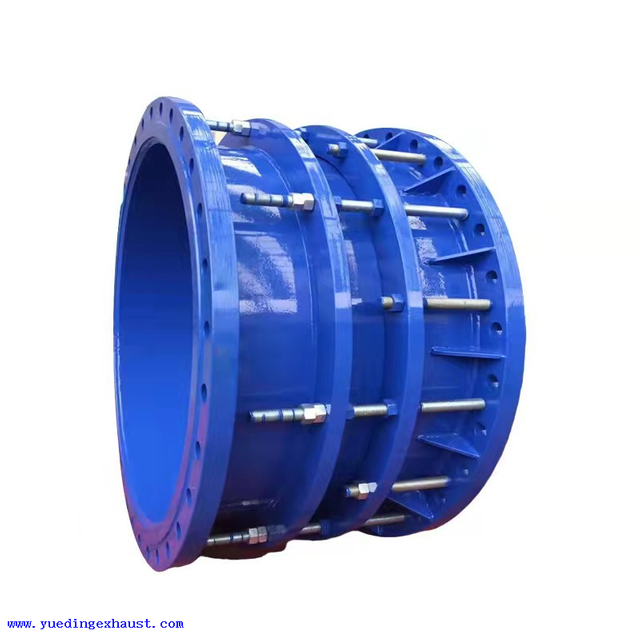
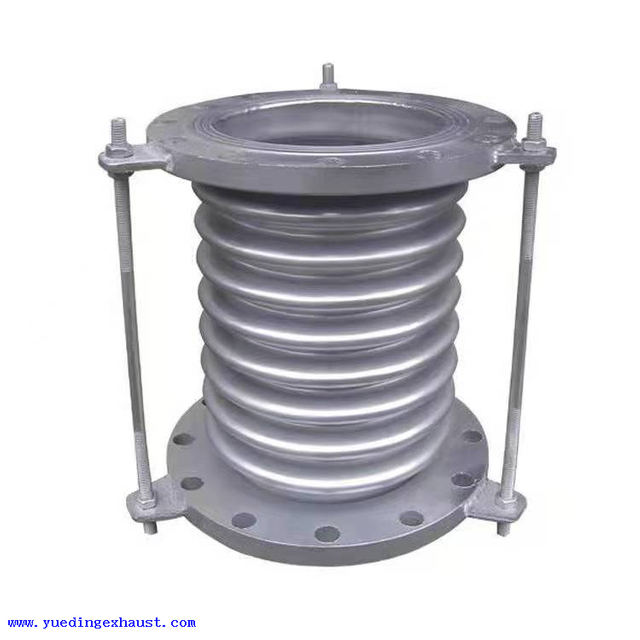
YUEDING manufactures stainless steel exhaust flexible connectors, clamps, metal bellows, and selected automotive exhaust components under ISO and IATF quality systems. With in-house production, inspection, and packaging capabilities, we support bulk orders, standard-size inventory, and customized branding for global B2B customers.
Reliable Delivery
Stable production planning, standard-size inventory, and batch shipping support help make delivery more predictable.

Factory Direct
Production, inspection, and packaging are managed in-house, making communication, quality control, and customization more efficient.

Integrated Supply
We supply flex pipes, clamps, metal bellows, and selected exhaust components to support related purchasing needs from one manufacturer.

