
Exhaust Flex Joint: Replacement and Repair Guide
You can repair or replace an exhaust flex joint by checking for leaks or damage in your exhaust system. This joint absorbs vibrations and movement, protecting other parts of the system. Always use compatible parts and follow safety steps. If you fix the exhaust flex joint yourself, you may save money. Seek help from a professional when you feel unsure or see signs of serious damage.
Key Takeaways
Check your exhaust flex joint often for leaks, rust, or damage. This helps you find problems early.
For small leaks, you can use exhaust paste or clamps. These are only temporary fixes, so plan to fix it for good later.
If you see a lot of rust or big cracks, replace the flex joint. This will help your car last longer.
Always pick parts that fit your car. This stops leaks and makes sure everything works right.
Get help from a pro if the repair is hard or if you worry about safety. This keeps you and your car safe.
Exhaust Flex Joint Problems
Common Symptoms
There are signs that show your exhaust flex joint is failing. These signs can happen before the joint breaks completely. Watch for these things:
Your car may make loud noises or odd sounds like hissing, rattling, or clunking.
You might smell exhaust fumes inside your car.
You could get headaches, feel dizzy, tired, sick, or confused on long trips.
Your car might use more gas and the check engine light may turn on.
Fumes can get inside the car and other parts might get damaged.
A leaking exhaust flex pipe can cause these problems. You may hear strange sounds or smell exhaust fumes if there is a leak. These are warnings that something is wrong. If you do not fix these problems, your exhaust system can get worse.
Inspection Tips
Check your flex pipe often to stop sudden problems. Looking at it regularly helps you find small issues early. You do not have to wait until the joint is very old. Early checks help you see damage before it gets bad.
Tip: Checking your flex pipe well can stop big problems later.
Water from rain or wet air can make your exhaust flex joint rust faster. Short drives may not dry out the pipe, so rust gets worse. Salt and chemicals on winter roads can also make the pipe rust. Bumpy roads with rocks or trash can dent or poke holes in your flex pipe. The engine heats up and cools down a lot, which can hurt the welds and joints. This can make them bend or break apart.
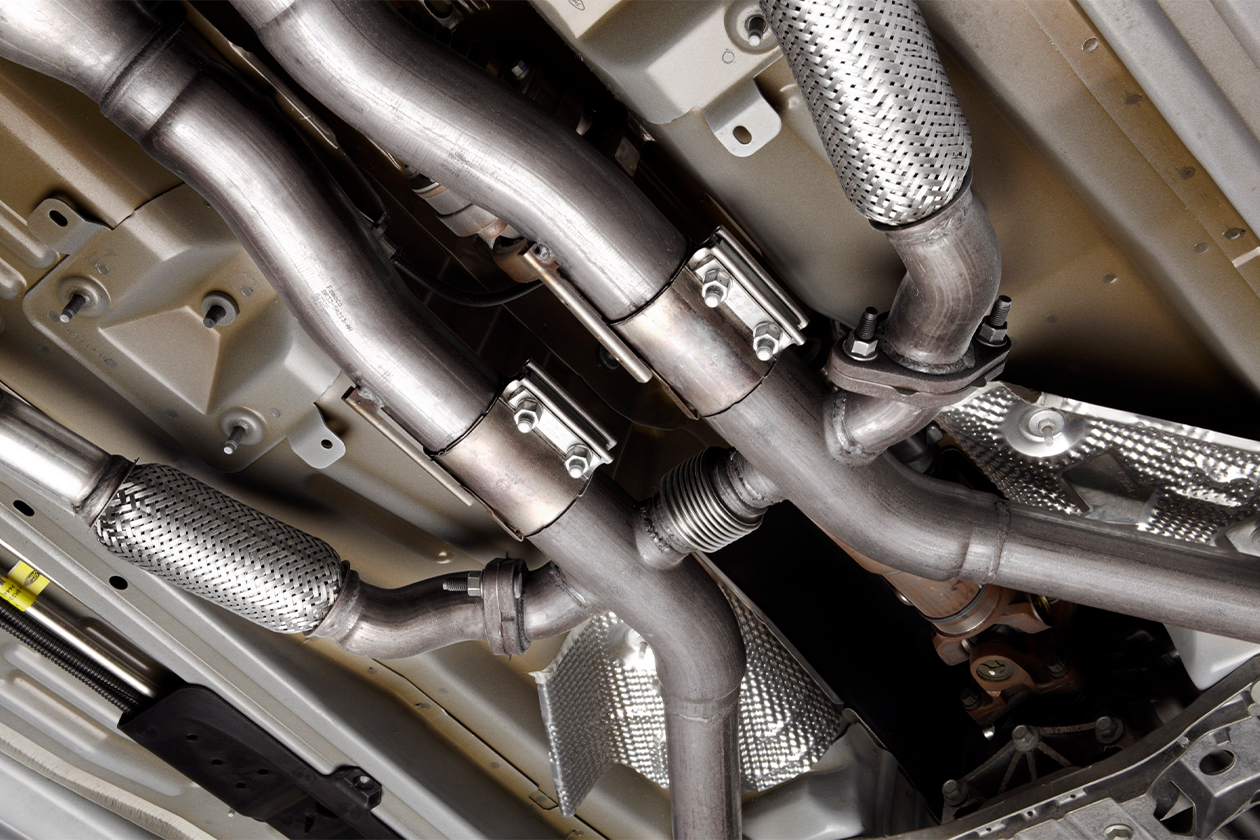
Look at your flex pipe for leaks, rust, dents, or cracks. If you see a leak, fix it soon so repairs do not cost more. Checking your flex pipe often keeps your exhaust system working and stops big problems.
Repair or Replace?
Deciding whether to repair or replace your exhaust flex joint depends on the type of damage, cost, and how well the new part fits your vehicle. You need to look at the problem closely before you choose a solution.
When to Repair a Leaking Exhaust Flex Pipe
You can fix a leaking exhaust flex pipe if the damage is small and the rest of the flex pipe looks healthy. Temporary repair methods work well for minor leaks and can help you avoid bigger problems. Here are some common repair options:
Exhaust paste and clamps give you a quick fix. You can use them for small holes or cracks. These methods handle high heat but do not last forever.
Pipe repair clamps work for both short-term and long-term fixes. You can use them for leaks from tiny pinholes to bigger gaps. The right clamp saves you time and money.
Always clean and dry the area before you apply any repair. Sanding the spot helps the paste or clamp stick better.
Tip: Temporary repairs help you drive safely until you can get a permanent fix. Do not rely on them for long periods.
You should repair the flex pipe if the leak is minor and the pipe is not rusty or broken. Look at the table below to help you decide:
Factor | What It Means |
|---|---|
Type of leak | Small leaks can be sealed. Big leaks need more work. |
Extent of damage | If damage is only in one spot, repair is possible. |
Overall condition | If the exhaust system is healthy, repair can work. |
When to Replace the Flex Joint
You need to replace the exhaust flex joint when you see severe corrosion, big cracks, or performance issues. Replacement gives you a stronger and longer-lasting fix. Welding is a permanent method and often needs a professional. Here are signs that show you must replace the flex joint:
Condition | Action Required |
|---|---|
Minor Damage | Repair |
Severe Corrosion | Replace |
Performance Issues | Replace recommended for long-term reliability |
Replacement costs more than repair, but it stops future leaks and fits better with your exhaust system. You should choose replacement if the damage is widespread or the flex pipe shows signs of failure.
Note: Always pick a flex pipe that matches your vehicle’s make, model, and year. This helps you avoid leaks and cracks caused by poor fit.
Flex pipes work with many exhaust setups, including stock and custom systems. Their flexibility lets you line up and adjust parts easily. Using the right flex pipe lowers the risk of installation problems.
Replacement is best for big damage and long-term reliability.
Repair is good for small leaks and healthy pipes.
Always check part compatibility before you install a new flex pipe.
You save money with repairs, but replacement gives you peace of mind and prevents future failure.
Tools for Flex Pipe Repair
Inspection Tools
You need the right tools to check your flex pipe for problems. Start with a flashlight and a mirror to see under your car. For a closer look, use an automotive inspection camera. These cameras have flexible probes that can bend around corners and fit into tight spots in the exhaust system. You can spot cracks, rust, or leaks that you might miss with your eyes alone. A camera with a screen helps you see damage inside the flex pipe without taking parts off.
Tip: Always inspect your flex pipe when your car is cool to avoid burns.
Repair Tools
When you find a small leak or crack, you can use special tools to fix it. You may need exhaust pipe rubber pad removal pliers to take off hangers. T-shaped spring hooks help you remove or attach springs. Ball joint clamps hold parts steady while you work. If you need to cut or shape the flex pipe, use an exhaust pipe cutter or a hydraulic expander kit. These tools make clean cuts and help you fit new pieces together. For sealing leaks, use high-temperature sealant or fiberglass aluminum foil tape. These materials stop air from escaping at the joints.
Exhaust pipe rubber pad removal pliers
T-shaped spring assembly/disassembly hooks
Ball joint clamps
Exhaust pipe cutters
Hydraulic expander kits
High-temperature sealant
Fiberglass aluminum foil tape
Replacement Tools
If you must replace the flex pipe, you need more tools. A socket set and wrenches help you remove bolts and clamps. You may need a saw or pipe cutter to take out the old flex pipe. For some cars, a welder is needed to attach the new flex pipe to the exhaust system. Always wear gloves and safety glasses to protect yourself. A jack and sturdy stands keep your car safe while you work underneath.
Tool | Use |
|---|---|
Socket set | Remove bolts and clamps |
Pipe cutter or saw | Cut out old flex pipe |
Welder | Attach new flex pipe (if needed) |
Jack and stands | Lift and secure your car |
Safety gear | Protect your hands and eyes |
Note: Choose tools that match your car’s exhaust system for the best results.
Flex Pipe Repair Steps
Preparation and Safety
Get ready before you fix your flex pipe. Park your car on a flat spot. Turn off the engine and let it cool down. Hot parts can burn you. Wear gloves and safety glasses to stay safe. Use a jack and strong stands to lift your car. Make sure your car does not move while you work. Keep a fire extinguisher close by. Check your tools and supplies before you start. Being ready helps you avoid getting hurt or making mistakes.
Tip: Always work where air moves well. Breathing exhaust fumes is bad for you.
Sealing Small Leaks
Small leaks in your flex pipe make noise and let fumes out. You can fix these leaks with special products. Pick the best way for your problem. The table below shows ways to seal leaks:
Method | Advantages | Best Applications |
|---|---|---|
Exhaust-Specific Paste Sealants | Handles high heat, fills gaps, does not wash away easily | Good for big gaps, quick fixes, old joints |
Exhaust Bandage Systems | Fixes big cracks and holes, makes weak spots stronger | Good for cracks, holes, and weak spots, short-term fix |
Metal-Filled Compounds | Handles the most heat, spreads heat well | Good for racing, turbo, and very hot exhausts |
Put sealant inside the pipe before you put it together. This keeps the seal tight and lets the joint move. Sealant works like a gasket for flanges. It also helps clamps seal better by filling spaces. Clean the area and take off rust before you use any product. Follow the package steps for the best results.
Using Repair Kits
Repair kits help you fix your flex pipe fast. You can pick clamp-on kits, weld-on couplings, OEM parts, or tough aftermarket kits. Clamp-on kits are easy to use. They might get loose if your car shakes a lot. Weld-on couplings are strong but need welding skills. OEM parts fit your car well and last a long time. Heavy-duty aftermarket kits work in hard places and handle heat and shaking.
Clamp-on kits: Fast and easy, but can get loose.
Weld-on couplings: Strong, but need welding.
OEM parts: Made for your car, last a long time.
Heavy-duty aftermarket: Good for rough use, may be stiff.
Pick a repair kit that fits your flex pipe and how you drive. Read the instructions and check if it fits before you start. A good kit can help your exhaust system last longer.
Flex Pipe Replacement Steps
Removing the Old Flex Pipe
You start flex pipe replacement by removing the old flex pipe. Park your car on a flat surface. Let the exhaust cool down. Wear gloves and safety glasses. Use a jack and stands to lift your car. Find the flex pipe under your vehicle. Use a socket set to loosen clamps or bolts. If the pipe is welded, you need a saw or pipe cutter to cut and install flex pipe. Remove the old flex pipe carefully. Check the area for rust or damage before you move to the next step.
Tip: Always check the diameter and length of the old flex pipe before you buy a new one. This helps you avoid fit problems during installation.
Installing the New Flex Pipe
You must ensure the new flex pipe matches your vehicle. Check these points:
Measure the outer diameter of your exhaust pipe to avoid leaks.
Choose the right length so the flex section fits and moves with the engine.
Pick the best material. 304 Stainless Steel lasts longer. 409 Aluminized Steel costs less.
Decide if you need single or double braided. Double braid gives more strength.
Choose weld-on or clamp-on installation based on your tools and skills.
If you need to weld, follow safety steps. Wear a helmet with auto-darkening, heat-resistant gloves, a welding jacket, safety glasses, and steel-toed boots. Work in a space with good ventilation. Welding is needed when the pipe has severe damage or you want a strong connection.
Situation for Welding | Safety Considerations |
|---|---|
Severe damage or complete breakage of the pipe | Ensure proper ventilation to avoid inhaling toxic fumes |
Need for a strong and durable connection | Wear appropriate safety gear to protect against burns and sparks |
Working with galvanized steel | Be cautious due to the release of harmful fumes |
Attach the new flex pipe using clamps or welds. Make sure the pipe lines up with the rest of the exhaust. Tighten all bolts and clamps. If you weld, let the area cool before you touch it.
Testing for Leaks
After you replace flex pipe, check for leaks. Start your engine. Listen for hissing or rattling sounds. Hold your hand near the flex pipe (do not touch) to feel for escaping air. Look for fumes or water drops. If you find leaks, tighten clamps or re-weld the area. Test again until you see no leaks.
Note: Industry standards suggest you replace your flex pipe every 3 to 5 years. Always follow your car maker’s maintenance schedule.
Replacement Interval | Notes |
|---|---|
Every 3 to 5 years | Depending on usage/condition of wear. Always follow manufacturer recommended maintenance intervals. |
You keep your exhaust system safe and strong by checking for leaks after installation.
When to Get Professional Help
Complex Repairs
Some repairs are too hard to do at home. You might not have the right tools or skills. If your car has a turbocharger or is used for racing, the exhaust system gets very hot and has high pressure. Newer cars have sensors and complicated emissions systems. Fleet vehicles need strong repairs to keep working and protect their warranties. In these cases, you should call an exhaust system repair service. The table below shows when you need expert help:
Type of Repair | Reason for Professional Expertise |
|---|---|
Performance and racing applications | Failure consequences are severe |
Turbocharger systems | Involves extreme temperatures and pressures |
Modern vehicles | Complex emissions systems and sensors |
Fleet applications | Reliability and warranty are critical |
If you see these problems, do not try to fix the exhaust flex joint by yourself. An exhaust system repair service has the right tools and knows what to do. You will get a safe and good repair.
Tip: If you are not sure about the repair, ask a professional for help.
Safety Concerns
Safety is the most important thing when you work on your car. If you do not lift your car the right way, you can get hurt. Bad repairs can make exhaust gas leak out. These leaks let dangerous gases into your car or the air. This can be bad for your health. You should call an exhaust system repair service if you worry about safety. Here are some risks you should know:
Risk of exhaust gas leakage: Bad repairs can let dangerous gases into your car or the air.
Safety of vehicle lifting: Lifting your car wrong can cause accidents during repairs.
You keep yourself and your family safe when you use an exhaust system repair service for hard or risky jobs. You also keep your car working well and avoid making dangerous mistakes.
You keep your vehicle safe by following these steps:
Park your car and let it cool.
Inspect the flex pipe for cracks or holes.
Clean the area before repair.
Use a patch kit for small leaks.
Replace the flex pipe for major damage and test your system.
Using strong tools and compatible parts helps your repair last longer.
Benefit | Description |
|---|---|
Improved Fuel Efficiency | You save gas and money. |
Enhanced Vehicle's Performance | Your car runs smoother. |
Reduced Dangerous Emissions | You protect your health and the environment. |
Cost Savings | You avoid expensive repairs. |
FAQ
How do you know if your exhaust flex joint needs repair?
You hear loud noises or smell exhaust fumes inside your car. You see rust, cracks, or leaks on the flex pipe. These signs mean you need to check and fix the joint soon.
Can you drive with a leaking exhaust flex pipe?
You should not drive with a leaking flex pipe. Exhaust fumes can enter your car and harm your health. The leak can also damage other parts of your exhaust system.
What tools do you need for flex pipe replacement?
You need a socket set, pipe cutter, jack, stands, and safety gear. Some jobs require a welder. Always check your car’s manual for tool recommendations.
How long does a flex pipe repair last?
Temporary repairs last a few weeks or months. Permanent fixes, like welding or full replacement, last several years. The lifespan depends on your driving habits and road conditions.
Is it safe to repair the flex joint yourself?
You can repair small leaks if you follow safety steps and use the right tools. For big damage or welding, you should ask a professional for help.


About Yueding
YUEDING manufactures stainless steel exhaust flexible connectors, clamps, metal bellows, and selected automotive exhaust components under ISO and IATF quality systems. With in-house production, inspection, and packaging capabilities, we support bulk orders, standard-size inventory, and customized branding for global B2B customers.
Reliable Delivery
Stable production planning, standard-size inventory, and batch shipping support help make delivery more predictable.

Factory Direct
Production, inspection, and packaging are managed in-house, making communication, quality control, and customization more efficient.

Integrated Supply
We supply flex pipes, clamps, metal bellows, and selected exhaust components to support related purchasing needs from one manufacturer.

