
How Long Does an Exhaust Flex Pipe Last? Factors That Affect Service Life
The exhaust flex pipe is an essential yet often overlooked part of your vehicle's exhaust system. Have you ever wondered how long it lasts before needing a replacement?
In this article, we will dive into the lifespan of an exhaust flex pipe and explore the factors that affect its durability. You will learn how to extend its service life and avoid costly repairs.

Key Takeaways
● Exhaust Flex Pipe Lifespan: On average, an exhaust flex pipe lasts between 5 to 10 years, depending on driving habits and environmental factors.
● Maintenance is Key: Regular inspections and proper maintenance can significantly extend the lifespan of your exhaust flex pipe.
● Driving Habits Matter: Aggressive driving, rough roads, and short trips can cause premature wear and tear on the exhaust flex pipe.
● Quality and Installation: Choosing high-quality parts and professional installation ensures better durability and performance of the flex pipe.
● Signs of Failure: Pay attention to unusual noises, increased vibrations, and exhaust leaks as indicators that the exhaust flex pipe may need replacing.
What is an Exhaust Flex Pipe?
The Role of Exhaust Flex Pipe in Vehicle Performance
An exhaust flex pipe is designed to absorb the vibrations caused by the engine's movement, especially when the vehicle is in motion. It plays a vital role in preventing stress on the rest of the exhaust system, including the manifold, catalytic converter, and muffler. By flexing, it ensures that these components stay securely in place without cracking or failing prematurely due to engine movement.
The flex pipe also helps the exhaust system remain intact by allowing slight movement between the engine and the exhaust parts. This flexibility is particularly important in modern vehicles where the engine shifts or rocks more than it did in older models.
Typical Construction of an Exhaust Flex Pipe
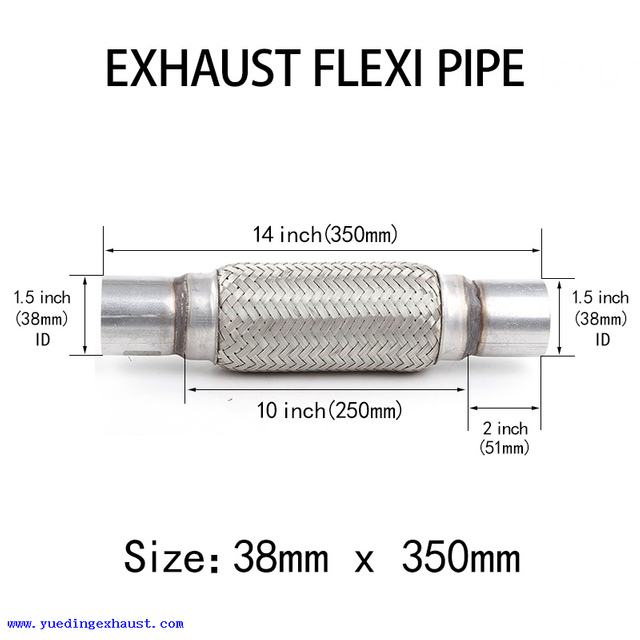
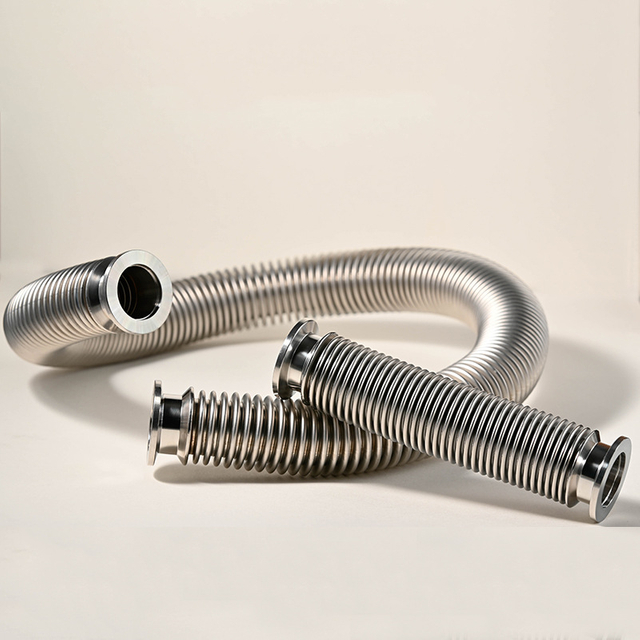
Exhaust flex pipes are typically made from stainless steel or braided metal. Stainless steel is a corrosion-resistant material that can withstand high temperatures, making it ideal for the hot environment of the exhaust system. Braided stainless steel is commonly used for the flexible part of the pipe, which allows it to move and flex under pressure without breaking.
The construction of an exhaust flex pipe often includes an inner wire that enhances its strength, a layer of insulation to prevent heat damage, and the outer braided metal which provides the flexibility needed for the system to function properly. These elements work together to ensure the pipe can last under extreme conditions while still allowing the necessary movement.
How Long Does an Exhaust Flex Pipe Last?
Table 1: Average Lifespan of Exhaust Flex Pipe
Factor | Impact on Lifespan |
Driving Conditions | Aggressive driving or rough roads can shorten lifespan. |
Environmental Exposure | Exposure to heat, road salt, and moisture accelerates wear. |
Maintenance | Regular inspections and care extend lifespan. |
Vehicle Model | Different makes/models have varying exhaust system durability. |
Average Lifespan of an Exhaust Flex Pipe
On average, an exhaust flex pipe lasts 5 to 10 years. This is the typical lifespan under standard driving conditions. However, the actual lifespan of your exhaust flex pipe can vary depending on various factors such as the type of vehicle, driving habits, and road conditions.
If you maintain your vehicle well, keep it clean, and drive responsibly, your exhaust flex pipe could last closer to the 10-year mark. However, under harsher conditions or with poor maintenance, the lifespan can be significantly shorter.
Signs Your Exhaust Flex Pipe Needs Replacement
Table 2: Common Signs of Exhaust Flex Pipe Damage
Sign | Cause | Action |
Rattling Noises | Cracks or wear in the flex pipe. | Immediate inspection and replacement needed. |
Increased Vibrations | Flex pipe failure to absorb engine movement. | Get the flex pipe checked by a professional. |
Exhaust Leaks | Cracks or holes in the flex pipe. | Replace the flex pipe to avoid engine damage. |
Knowing when to replace your exhaust flex pipe can save you from bigger repairs down the road. Common signs that it’s time for a replacement include:
● Excessive noise: If you hear unusual sounds, such as rattling or hissing, it could be a sign that the flex pipe is cracked or damaged.
● Vibration: If you notice increased vibrations while driving, it may indicate that the flex pipe is no longer absorbing engine movement properly.
● Exhaust leaks: A crack in the flex pipe can lead to exhaust gases escaping, which can cause a noticeable smell or even reduce engine performance.
If you notice any of these symptoms, it's important to have the flex pipe inspected and replaced if necessary.
Why Lifespan Can Vary Among Vehicles
While the standard lifespan of an exhaust flex pipe is typically between 5 and 10 years, the actual durability can vary from one vehicle to another. Factors such as the make, model, and driving conditions play a significant role in how long the flex pipe lasts.
For instance, a vehicle that is frequently driven in harsh environments (e.g., high heat, road salt, or rough terrain) may experience a shorter lifespan for its exhaust flex pipe compared to a vehicle driven in milder conditions.
Factors That Affect the Longevity of an Exhaust Flex Pipe
Table 3: Exhaust Flex Pipe Lifespan Factors
Factor | Impact on Lifespan | Tip to Maximize Life |
Driving Style | Aggressive driving and frequent short trips can wear it down faster. | Drive smoothly and avoid rough terrain. |
Exposure to Heat | High engine temperatures and exhaust heat can degrade the pipe. | Maintain a well-functioning cooling system. |
Corrosion | Road salt and moisture contribute to rusting. | Regularly wash your vehicle in winter and check for rust. |
Quality of Parts | Aftermarket flex pipes may wear out quicker. | Opt for OEM parts for better longevity. |
Installation | Incorrect installation can lead to premature failure. | Always use professional installation services. |
Driving Conditions and Habits
How you drive can have a major impact on the lifespan of your exhaust flex pipe. Aggressive driving, such as sudden acceleration, hard braking, or fast cornering, places extra stress on the exhaust system. Rough roads or frequent short trips can also shorten the life of the flex pipe by subjecting it to constant vibration and heat cycles.
Tip: To prolong the life of your exhaust flex pipe, avoid aggressive driving habits and take care to drive smoothly, especially on rough roads.
Exposure to Heat and Corrosive Elements
The environment plays a big role in how long your exhaust flex pipe lasts. High temperatures from engine heat can degrade the material over time, especially if the pipe is constantly exposed to extreme conditions. Additionally, road salt and moisture can cause corrosion, which weakens the flex pipe, especially in colder climates where road salt is used to prevent ice buildup.
Tip: If you live in an area with harsh winters, consider getting your exhaust system regularly inspected to prevent rust and corrosion.
Maintenance and Care
Regular inspection and maintenance are crucial for the longevity of your exhaust flex pipe. Ensuring that your exhaust system is checked periodically for cracks or leaks can help identify problems early on. A well-maintained exhaust system will put less stress on the flex pipe, allowing it to last longer.
Tip: Regularly inspect your exhaust system for any signs of wear or damage to avoid costly repairs down the line.
Quality of the Flex Pipe and Installation
The quality of the flex pipe itself can also impact how long it lasts. OEM (Original Equipment Manufacturer) parts are often more durable than aftermarket options, which may not be built to the same specifications. Additionally, proper installation is key—an incorrectly installed flex pipe can lead to premature failure, while professional installation ensures it will function optimally.
Tip: Always opt for high-quality parts and professional installation when replacing an exhaust flex pipe to ensure it lasts as long as possible.
How to Maximize the Lifespan of Your Exhaust Flex Pipe
Regular Inspections and Maintenance
Having your exhaust system inspected regularly is one of the most effective ways to extend the life of your flex pipe. Early detection of issues such as cracks or leaks can prevent further damage and expensive repairs.
Protecting the Exhaust System from Corrosion
Corrosion is one of the biggest threats to an exhaust flex pipe's longevity. To prevent rust, ensure that your exhaust system is protected by rust-resistant coatings or stainless steel parts. Additionally, washing your vehicle frequently in areas where road salt is common can help keep the exhaust system clean.
Best Practices for Smooth Vehicle Operation
Driving techniques can also have a significant effect on the exhaust system. Smooth driving that avoids rapid acceleration or harsh braking will place less strain on the exhaust flex pipe. Furthermore, try to avoid frequent short trips, as the exhaust system may not reach its optimal temperature to burn off moisture and contaminants.
When to Replace an Exhaust Flex Pipe
Key Indicators It's Time for a Replacement
You’ll know it’s time to replace your exhaust flex pipe when you notice:
● Rattling or hissing sounds indicating cracks or damage.
● Exhaust leaks that reduce engine performance or cause unpleasant odors.
● Increased vibrations while driving, signaling a broken or weakened flex pipe.
What to Expect During Exhaust Flex Pipe Replacement
Replacing an exhaust flex pipe typically takes about 1 to 2 hours, depending on the complexity of the installation. The cost for replacement can vary, but it generally ranges from $150 to $400, including parts and labor. Always opt for professional installation to ensure the part is properly installed, extending its lifespan.
Conclusion
The exhaust flex pipe is a vital component that ensures your vehicle’s exhaust system operates efficiently. Its lifespan typically ranges from 5 to 10 years, but driving habits, environmental factors, and maintenance practices can greatly influence its longevity. By maintaining regular inspections, opting for high-quality parts, and adopting proactive care, you can maximize its lifespan and save money on repairs.
For those seeking top-tier exhaust products, yuedingexhaust offers high-quality, durable flex pipes designed to enhance vehicle performance and reliability. Regular maintenance and careful driving will help keep your exhaust system in optimal condition for years.
FAQS
Q: How long does an exhaust flex pipe last?
A: An exhaust flex pipe typically lasts between 5 to 10 years, depending on driving habits, maintenance, and environmental conditions.
Q: What is the role of an exhaust flex pipe in a vehicle?
A: The exhaust flex pipe reduces vibration and absorbs engine movement, helping to protect other components in the exhaust system from wear and tear.
Q: Why do exhaust flex pipes fail?
A: Exhaust flex pipes can fail due to excessive heat, corrosion from road salt, aggressive driving, or lack of proper maintenance.
Q: How can I extend the life of my exhaust flex pipe?
A: Regular inspections, proper maintenance, and driving carefully on rough roads can help maximize the lifespan of your exhaust flex pipe.
Q: What are the signs that my exhaust flex pipe needs replacing?
A: Common signs include unusual noises, increased vibrations, or exhaust leaks. If you notice any of these, it's time for a replacement.






About Yueding
YUEDING manufactures stainless steel exhaust flexible connectors, clamps, metal bellows, and selected automotive exhaust components under ISO and IATF quality systems. With in-house production, inspection, and packaging capabilities, we support bulk orders, standard-size inventory, and customized branding for global B2B customers.
Reliable Delivery
Stable production planning, standard-size inventory, and batch shipping support help make delivery more predictable.

Factory Direct
Production, inspection, and packaging are managed in-house, making communication, quality control, and customization more efficient.

Integrated Supply
We supply flex pipes, clamps, metal bellows, and selected exhaust components to support related purchasing needs from one manufacturer.

