
Corrugated Metal Hose Vs Interlock Flex Hose
Flexible metal hoses may look similar, but their internal structures can behave very differently. A corrugated metal hose and interlock flex hose differ in sealing, movement, flow, and wear resistance. Choosing only by diameter or material can cause leakage, pressure loss, or early fatigue. In this guide, we compare both constructions and explain how an interlock liner fits inside a corrugated hose assembly.

Corrugated Metal Hose vs Interlock Flex Hose: The Core Differences
The main difference begins with how each hose is built. That construction then affects pressure, movement, flow, and durability. We should compare these features before discussing specific applications.
Construction: Corrugated Tube vs Interlocked Metal Strip
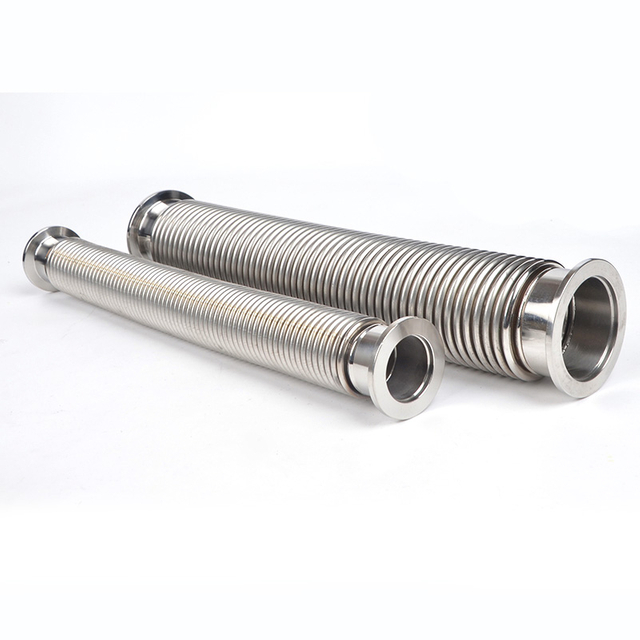
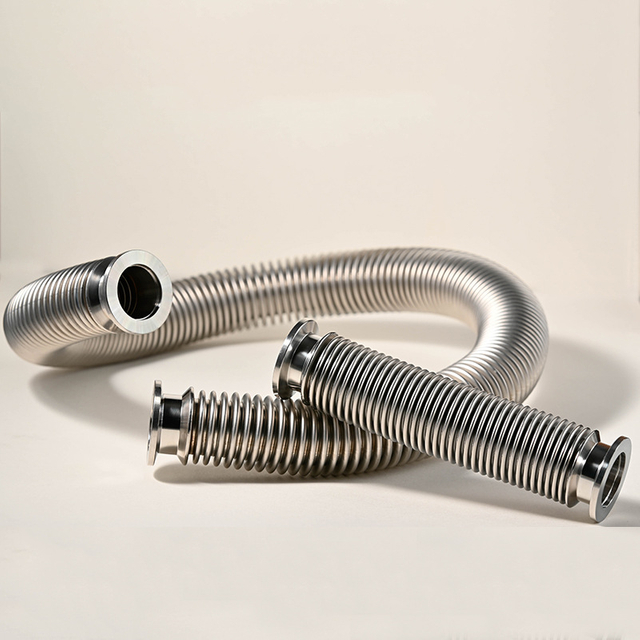
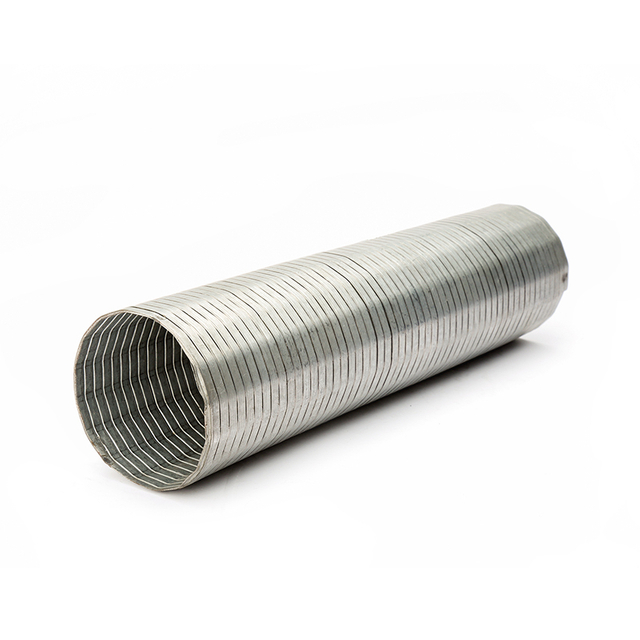
A corrugated metal hose begins as a continuous metal tube. Its wall is formed into repeated corrugations. Those corrugations let the tube bend while maintaining a continuous metal wall. Interlocked hose uses a very different construction. A metal strip is profiled and wound helically around a mandrel. Adjacent strip sections lock together and can move against each other. This difference is fundamental. Corrugated hose flexes through movement within its formed wall. Interlocked hose flexes through movement between overlapping metal sections.
How the Two Hose Types Actually Flex
Corrugated hose bends because its corrugations deform during movement. Each corrugation shares part of the imposed bending load. Proper hose length helps distribute this movement safely. Interlocked hose uses sliding action between overlapping strip sections. Those sections can shift during bending, compression, or extension. This gives it useful mechanical flexibility. Neither design should be described simply as “more flexible.” Bend radius, movement type, hose diameter, and construction all matter.
Pressure Containment and Leak Tightness
A corrugated metal hose has a continuous metal wall. This makes it suitable for many pressure-containing services. External braid is often added when higher working pressure is required. The braid limits hose elongation under internal pressure. Its design can significantly change the assembly pressure rating. Actual working pressure still depends on size, temperature, alloy, and construction. Standard interlocked hose behaves differently. Small leakage paths can exist between overlapping strip sections. Its wall is therefore not inherently pressure-tight. Packing can reduce leakage in some designs. Special fittings can improve sealing further. Those designs should be evaluated from their actual ratings.
Internal Surface and Flow Characteristics
Standard corrugated hose exposes corrugations to the flowing media. The surface is therefore less smooth than straight rigid tubing. This geometry can influence turbulence and friction. Roughbore interlocked hose also has an irregular internal surface. Smoothbore versions add another strip or liner inside. This produces a more controlled flow path. A corrugated hose can also contain an interlock liner. However, this remains a corrugated hose assembly. The liner does not become the pressure-containing hose wall.
Abrasion, Crush Resistance, and Mechanical Protection
Interlocked hose offers a rugged mechanical structure. It performs well where crush resistance or external protection matters. Some designs also serve as armor around another hose. Corrugated hose serves a different primary purpose. It is often selected for pressure containment and controlled movement. Its thin corrugated wall may need protection in abrasive service. An internal liner can protect it from abrasive media. External armor can protect it from impact or surface damage. These components perform separate functions.
Quick Comparison
The table below highlights the most important structural differences. Final selection should still follow the supplier's rated specifications.
Factor | Corrugated Metal Hose | Interlocked / Stripwound Hose | Corrugated Hose With Interlock Liner |
|---|---|---|---|
Construction | Continuous corrugated metal tube | Mechanically interlocked metal strip | Corrugated hose plus internal interlock liner |
Pressure capability | Commonly used for pressure service | Not inherently pressure-tight | Pressure is contained by the corrugated hose |
Main strength | Pressure containment and controlled movement | Flexibility, abrasion resistance, and mechanical protection | Added protection against abrasion and high-velocity flow |
Typical use | Process piping, vibration, thermal movement | Exhaust, dry bulk, guarding | Abrasive or high-velocity media service |
Why Corrugated and Interlocked Hose Behave Differently Under Movement
Movement is one of the main reasons flexible metal hose is installed. However, not every flexible construction handles movement identically. The movement pattern should be defined before hose selection.
Corrugation Flexing and Cyclic Fatigue
Repeated bending places cyclic stress into corrugated metal hose. The hose needs enough active length to distribute this stress. Tight bends can concentrate strain in a small area. Dynamic applications also require a suitable dynamic bend radius. Static bend limits are not always appropriate here. Manufacturers often publish separate values for each condition. Cycle life also depends on movement amplitude and frequency. Pressure, temperature, installation geometry, and hose length also influence fatigue.
Sliding Interlocks and Extension or Compression
Interlocked hose gains flexibility through its mechanical strip profile. Its overlapping sections move relative to each other. This action differs from corrugation flexing. This structure can suit exhaust routing and mechanical guarding. It can also handle many dry bulk applications. However, its movement limits still require manufacturer guidance.
Torsion Should Still Be Controlled
A flexible hose can bend without tolerating unlimited twisting. Torsion introduces a different mechanical load. Poor installation may therefore shorten service life. Pipe alignment should minimize rotational stress during installation. Supports should also prevent unnecessary twisting during operation. This matters for both hose families.
Pressure, Leakage, Temperature, and Media Compatibility
Temperature alone cannot determine the correct hose type. Pressure, leakage tolerance, media, and movement remain equally important. We should review the complete service condition.
When Pressure Service Favors Corrugated Metal Hose
Corrugated metal hose is often the logical starting point for pressurized media. Its continuous wall creates the basic containment boundary. Braid may then support higher pressure requirements. For example, published corrugated hose data shows large pressure differences between unbraided and braided versions. This demonstrates why the whole assembly must be specified. Never select a hose using material grade alone. Diameter, braid layers, temperature, and pressure cycles also matter.
Why Standard Interlock Flex Hose Can Allow Leakage
Interlocked construction contains many overlapping mechanical joints. Those joints create potential leakage paths. Standard constructions therefore should not be assumed gas-tight. Packing can be inserted during manufacturing. It helps minimize leakage through the interlocked profile. Packing material also introduces its own temperature limits. Some specialized interlocked assemblies offer stronger sealing performance. Those products must be judged by their published ratings. They are exceptions, not universal assumptions.
Temperature Does Not Tell the Whole Story
Metal components may tolerate substantial heat. However, the complete assembly can contain other limiting materials. Packing, seals, fittings, and external components may set lower limits. Pressure ratings may also decrease as temperature rises. Hose Master specifically notes temperature derating for corrugated hose. Therefore, never specify “stainless steel hose for high temperature” alone. State the real operating temperature and full service conditions.
Match the Hose to the Actual Media
Liquids, gases, exhaust, powders, and pellets create different demands. A pressure line needs reliable containment. A dry bulk line may prioritize abrasion and smooth product flow. Abrasive solids can attack thin corrugated surfaces. Hot exhaust may prioritize movement and routing. Chemical liquids may require careful alloy compatibility. The media therefore helps define the construction. It should be identified before selecting the hose type.
Flow Velocity, Pressure Drop, and Abrasion
Internal flow conditions can change hose life significantly. This becomes important in high-velocity gas service. It also matters when particles travel through the hose.
Why Exposed Corrugations Matter at High Velocity
High-speed media moves across each internal corrugation. This can produce turbulence and local excitation. Under certain conditions, vibration can develop within the hose wall. Repeated resonance may accelerate fatigue damage. An internal liner creates a smoother flow path. It also reduces direct impact on corrugation valleys. There is no universal safe velocity for every hose. Media density and hose diameter also affect the limit. Supplier engineering data should guide final selection.
Abrasive Media Can Damage Corrugations
Abrasive particles can gradually remove metal from exposed corrugations. Even moderate abrasion becomes serious over long service periods. Higher velocity can accelerate this process. An interlock liner adds a thicker protective surface. It sits between the media and corrugated hose wall. The pressure boundary remains the corrugated hose.
Internal Geometry Can Affect Pressure Loss
Corrugations increase internal surface disturbance compared with smooth pipe. They may therefore increase friction-related pressure loss. System designers should consider this effect. An internal liner can improve the flow path. It may also reduce friction losses in suitable applications. However, a liner also occupies internal space. Its dimensions should be included during system sizing.
What Is an Interlock Liner?
This term causes frequent specification errors. An interlock liner is not simply another interlocked hose assembly. Its role depends on where it is installed.
The Liner Sits Inside the Corrugated Hose
A typical lined assembly can be viewed in layers:
Flowing media
Internal interlock liner
Corrugated metal hose
External braid, when required
The corrugated hose remains the pressure-containing component. The liner protects its internal surface. Hose Master describes this arrangement directly in its corrugated hose guidance. This distinction prevents incorrect RFQs. Asking for “interlock hose” may lead to a completely different construction.
What the Interlock Liner Actually Does
An interlock liner can serve several practical functions:
It shields corrugations from high-velocity media.
It reduces direct particle impact.
It provides extra abrasion resistance.
It creates a smoother internal path.
It can reduce friction-related pressure loss.
These benefits address specific service problems. They do not change the basic hose family.
When a Liner May Be Unnecessary
Not every corrugated metal hose needs a liner. Low-velocity clean media may not justify one. Adding unnecessary components can increase cost and complexity. The liner can also reduce available internal diameter. It may influence flexibility in some assemblies. Engineers should therefore add it for a defined reason.
Where Each Hose Construction Is Typically Used
Application names alone should not control selection. Two systems may both handle exhaust yet require different constructions. Their pressure, movement, and leakage needs may differ.
Pressurized Industrial Piping
Corrugated metal hose commonly serves process piping connections. It can absorb vibration, thermal movement, or controlled offset. It can also maintain a defined pressure boundary. Typical uses include pump connections and equipment interfaces. Chemical compatibility still needs verification. Fittings must also match the process requirements.
Engine, Generator, and Industrial Exhaust Systems
Both hose families can appear in exhaust systems. This does not make them interchangeable. The required sealing level and movement pattern still matter. Interlocked hose is commonly used for air and exhaust service. Corrugated assemblies may be selected when controlled gas containment is more important. Support location also deserves attention. A flexible section should not carry unnecessary pipe weight.
Dry Bulk and Abrasive Material Conveying
Stripwound hose is widely used for dry bulk conveying. Roughbore designs offer strong mechanical durability. Smoothbore designs provide a gentler internal flow path. Smoothbore stripwound hose may use a separate internal strip. It can help protect delicate conveyed products. This is different from lining a corrugated pressure hose.
Mechanical Guarding and Protection
Interlocked hose can also work as external armor. It can protect cables, hoses, or other flexible components. Crush resistance is valuable in these applications. Here, pressure containment may not matter at all. Mechanical protection becomes the main design purpose.
How to Choose Between Corrugated Metal Hose and Interlock Flex Hose
The best choice starts from actual service conditions, not product appearance. Pressure, movement, flow, and assembly design should be reviewed together. Clear specifications also help prevent common selection mistakes.
Start With Pressure and Leakage Requirements
First, determine whether the hose must contain pressure, vacuum, or exhaust gas. Also confirm how much leakage the system can tolerate. Sealing materials may also affect the final choice. If reliable pressure containment is essential, corrugated metal hose is usually the stronger starting point. Its suitability still depends on the complete assembly rating. Standard interlocked hose should not be assumed pressure-tight without checking its specific construction.
Define Movement and Installation Conditions
Do not specify only a “flexible hose.” Explain how the hose will actually move during operation. This may include vibration, thermal displacement, repeated bending, compression, or occasional repositioning. These conditions affect bend radius, active length, and expected service life. They also help prevent problems caused by excessive bending or poor installation geometry.
Check Flow Velocity, Abrasion, and Liner Needs
Internal conditions matter as much as external movement. High-velocity media may justify an interlock liner inside a corrugated hose. Abrasive particles can make this protection even more important. Dry bulk conveying may instead favor standalone interlocked hose. Some smoothbore interlocked designs also have a preferred flow direction, so installation orientation should be checked.
Specify the Complete Hose Assembly
A hose should be specified as a complete assembly, not only by diameter or temperature. The supplier needs enough information to understand how it will operate.
Key Area | What to Confirm |
|---|---|
Service conditions | Media, pressure, and operating temperature |
Movement | Vibration, bending, or thermal movement |
Assembly design | Hose type, liner or braid needs, and end connections |
These details help determine whether braid, an interlock liner, or another construction is required. They also make quotations more accurate and reduce selection errors.
Avoid Confusing Hose Construction Terms
Flexible stainless tubing can use several different constructions. A corrugated hose, standalone interlocked hose, and interlock liner should not be treated as interchangeable terms. A standalone interlocked hose forms the hose wall from mechanically connected metal strip. An interlock liner is only an internal component inside another assembly. In a lined corrugated hose, the corrugated tube remains the primary pressure boundary. Diameter, alloy, or appearance alone cannot identify the correct design. The specification should clearly state whether the required construction is corrugated, interlocked/stripwound, or corrugated with an interlock liner.
Conclusion
Corrugated metal hose suits pressure containment, vibration control, and thermal movement when the complete assembly matches actual service conditions. Interlocked hose fits exhaust, conveying, abrasion, and guarding duties. An interlock liner remains a protective component inside corrugated hose. Zhejiang Yueding Corrugated Tube Co., Ltd. provides flexible exhaust solutions that support reliable movement, durable service, and application-specific system requirements.
FAQ
Q: How does corrugated metal hose differ from interlock flex hose?
A: Corrugated metal hose flexes through formed corrugations. Interlocked metal hose uses overlapping metal strips that slide during movement and is not inherently pressure-tight.
Q: When should I choose a corrugated metal hose?
A: Choose a corrugated metal hose when pressure containment, vibration absorption, or thermal movement is important. Always verify pressure, temperature, media, and bend requirements.
Q: Is interlock flex hose suitable for exhaust systems?
A: Yes. Stripwound metal hose is often used for exhaust routing, especially where flexibility and mechanical protection matter. Leakage requirements must still be checked.
Q: When does corrugated metal hose need an interlock liner?
A: A corrugated metal hose may need an interlock liner when high-velocity or abrasive media could damage exposed corrugations. The liner also creates a smoother flow path.
Q: Why can a flexible metal hose fail early?
A: Common causes include excessive bending, torsion, poor alignment, abrasion, or incorrect installation. Using the correct bend radius and support can extend service life.





About Yueding
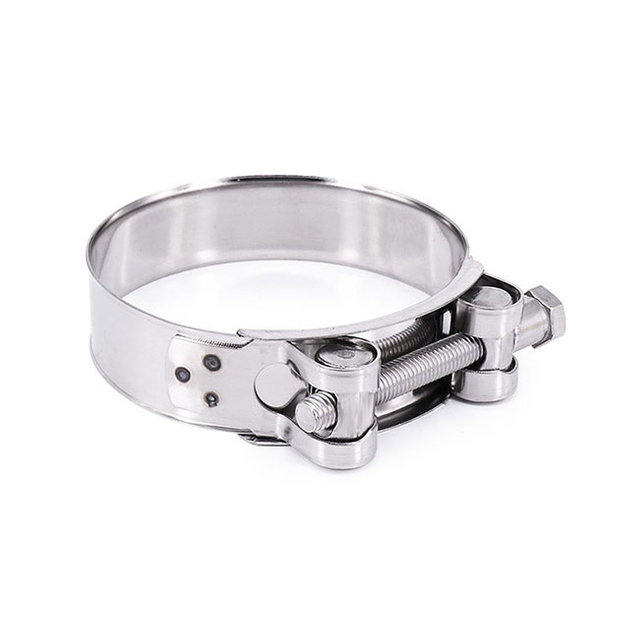
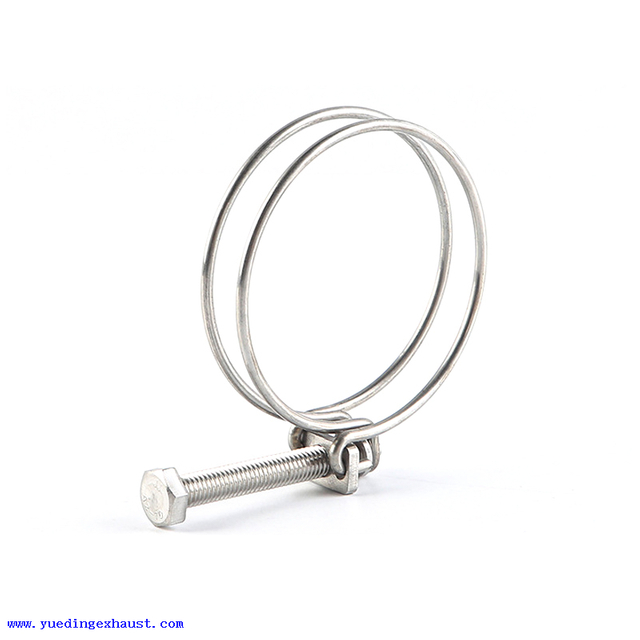
YUEDING manufactures stainless steel exhaust flexible connectors, clamps, metal bellows, and selected automotive exhaust components under ISO and IATF quality systems. With in-house production, inspection, and packaging capabilities, we support bulk orders, standard-size inventory, and customized branding for global B2B customers.
Reliable Delivery
Stable production planning, standard-size inventory, and batch shipping support help make delivery more predictable.

Factory Direct
Production, inspection, and packaging are managed in-house, making communication, quality control, and customization more efficient.

Integrated Supply
We supply flex pipes, clamps, metal bellows, and selected exhaust components to support related purchasing needs from one manufacturer.

