
Exhaust Flex Pipe Failure Symptoms: 7 Signs Your Exhaust System Needs Attention
The exhaust flex pipe plays a vital role in your vehicle's exhaust system. Ignoring its failure can lead to costly repairs and unsafe driving conditions. In this article, we’ll help you identify the 7 common symptoms of flex pipe failure. You’ll learn how to diagnose the issue and what steps to take to fix or replace the damaged part.

Key Takeaways
● Early detection of Exhaust Flex Pipe failure can save you from costly repairs and unsafe driving conditions.
● Key symptoms include unusual noises, poor fuel efficiency, exhaust smells, and decreased engine performance.
● Regular inspections and prompt action are essential to ensure your exhaust system functions efficiently.
● Timely replacement or repair of a damaged flex pipe can prevent further damage to the exhaust system.
● If you're unsure about the condition of your Exhaust Flex Pipe, consider seeking professional help to avoid prolonged issues.
Understanding the Exhaust Flex Pipe and Its Role
What is an Exhaust Flex Pipe?
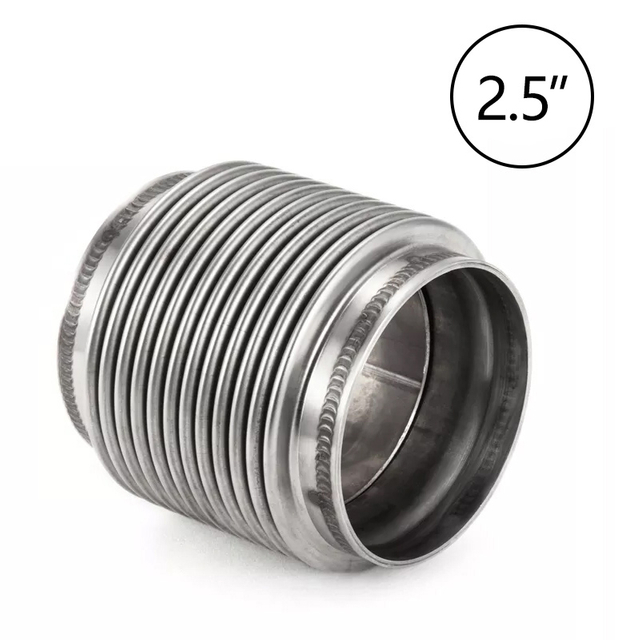
An exhaust flex pipe is a component of your vehicle's exhaust system designed to absorb vibrations and accommodate the movement of the engine. Located between sections of the exhaust pipe, it is typically made from stainless steel or another durable material. The flex pipe allows for flexibility in the exhaust system, ensuring that vibrations from the engine don’t cause cracks or damage to the pipe itself. It also helps to prevent exhaust leaks and reduces the transmission of engine vibrations into the car’s body.
Why Flex Pipes Fail Over Time
Exhaust flex pipes are exposed to constant heat, moisture, and pressure, which can lead to wear and tear over time. The most common causes of exhaust flex pipe failure include:
● Corrosion: Due to exposure to moisture and salt, especially in colder climates, the flex pipe can rust over time.
● Physical Damage: The pipe can become damaged from road debris or impacts from driving over obstacles.
● Age: As with most vehicle components, the flex pipe will eventually degrade with age, particularly after many years of service.
Tip: Regular inspection of your exhaust system can help identify potential flex pipe issues early, preventing further damage to the exhaust system.
7 Common Symptoms of Exhaust Flex Pipe Failure
1. Unusual Noise from the Exhaust System
One of the first signs of flex pipe failure is an unusual noise coming from your exhaust system. As the flex pipe deteriorates, it may start to rattle, making a loud clunking or banging sound. This noise can be particularly noticeable during acceleration or while driving over rough roads.
Tip: If you hear rattling or thumping noises coming from the exhaust, it’s a good idea to check the flex pipe for visible damage.
2. Exhaust Smells Inside the Cabin
A failing flex pipe can allow exhaust gases to leak into the vehicle’s cabin, leading to a strong exhaust smell. This is a dangerous situation, as inhaling exhaust fumes can be harmful to your health. If you notice a foul smell or a whiff of fumes inside the vehicle, especially when idling or accelerating, your flex pipe might be the culprit.
3. Decreased Engine Performance
A damaged flex pipe can cause a blockage or restriction in the exhaust flow, leading to decreased engine performance. You may notice your vehicle struggling to accelerate, experiencing sluggish starts, or having reduced power. This issue arises because the exhaust gases are not being properly expelled from the engine, which can affect the combustion process.
Tip: If your car feels sluggish or lacks power, it could be time to inspect the exhaust system for flex pipe damage.
4. Visible Damage or Holes in the Pipe
Sometimes, the damage to the exhaust flex pipe is visible to the naked eye. Look for any signs of cracks, rust, or holes on the pipe. Rust spots and holes allow exhaust gases to leak out, potentially causing dangerous emissions inside the vehicle. Any visible damage should be addressed promptly to avoid further damage to the entire exhaust system.
5. Check Engine Light Comes On
A faulty exhaust flex pipe can trigger the Check Engine Light (CEL). When the flex pipe fails, it can cause sensors to pick up irregularities in the exhaust system. The engine control unit (ECU) detects the issue and illuminates the check engine light. If the light is on, a diagnostic scan can reveal whether the flex pipe is the cause.
Tip: If your check engine light is on, using an OBD-II scanner can help pinpoint the issue with your exhaust system.
6. Vibrations or Shaking
When the flex pipe becomes compromised, it may not properly absorb engine vibrations, leading to unusual shaking or vibrations while driving. These vibrations are often felt through the steering wheel or the vehicle’s floorboard. If you experience shaking or a noticeable increase in vibration, the flex pipe might be worn or damaged.
7. Poor Fuel Efficiency
A failing exhaust flex pipe can lead to poor fuel efficiency. As exhaust gases are not being expelled efficiently, your engine may work harder to push out exhaust, consuming more fuel. If you notice a sudden drop in fuel efficiency, the flex pipe might be a contributing factor.
How to Inspect and Diagnose Exhaust Flex Pipe Issues
Visual Inspection Tips
A simple visual inspection can often reveal significant issues with the exhaust flex pipe. Here’s how to inspect the flex pipe for visible damage:
1. Raise the Vehicle: Safely lift the vehicle using a jack or ramp to get a clear view of the exhaust system.
2. Examine the Flex Pipe: Look for visible cracks, holes, rust, or areas that appear bent or damaged.
3. Check for Leaks: If you see any visible damage, check for signs of exhaust fumes leaking around the pipe.
Tools Needed: A flashlight and a mirror can help inspect hard-to-reach areas.
Listening for Sounds
Listening for specific exhaust noises is a helpful diagnostic tool. If you hear a rattling or vibrating noise, it may indicate that the flex pipe has worn out. Pay attention to the noise’s timing—if it coincides with acceleration or engine movement, it could point directly to the flex pipe.
Tip: If you notice exhaust sounds that change with the vehicle’s movements, you might have a failing flex pipe that needs immediate attention.
Using an OBD-II Scanner to Check Engine Codes
An OBD-II scanner can provide important insights into your vehicle’s exhaust system. Plugging in the scanner can reveal error codes related to emissions or exhaust system problems, including issues with the flex pipe. Common codes associated with exhaust flex pipe failure may include P0420 (Catalytic Converter Efficiency Below Threshold) or P0101 (Mass Air Flow Sensor). These codes indicate that your exhaust system is malfunctioning, often due to a compromised flex pipe.
How to Fix or Replace a Failing Exhaust Flex Pipe
Can You Repair a Flex Pipe?
Repairing an exhaust flex pipe is sometimes possible, but it depends on the severity of the damage. If the damage is minor, you may be able to patch it temporarily. However, most experts recommend replacing the pipe entirely to ensure the exhaust system functions properly.
Tip: Weigh the costs of repair versus replacement. If the flex pipe is significantly damaged or rusted, replacement is usually the better long-term option.
Replacing the Exhaust Flex Pipe: A Step-by-Step Guide
If you need to replace the flex pipe, follow these steps:
1. Prepare the Vehicle: Lift the vehicle securely and ensure that the exhaust system is cool.
2. Disconnect the Exhaust System: Use a wrench to remove the bolts securing the flex pipe to the rest of the exhaust system.
3. Remove the Old Pipe: Once the bolts are removed, take out the damaged flex pipe.
4. Install the New Pipe: Insert the new flex pipe and secure it with bolts. Ensure the new pipe is properly aligned.
5. Test the Vehicle: Start the engine and check for leaks or unusual noises.
Tools Needed: Wrenches, exhaust clamps, and replacement flex pipe.
When to Seek Professional Help
If you're unsure about how to replace the flex pipe or lack the necessary tools, it's best to seek professional help. A certified mechanic can ensure the job is done correctly, preventing further damage to your exhaust system.
Preventing Future Exhaust Flex Pipe Issues
Regular Exhaust System Inspections
To prevent future issues with the exhaust flex pipe, schedule regular inspections of your exhaust system. Checking the exhaust system every 6 to 12 months can help detect issues before they escalate into costly repairs.
How to Extend the Life of Your Exhaust Flex Pipe
To prolong the life of your exhaust flex pipe:
● Avoid harsh driving conditions, such as driving over large obstacles or potholes.
● Clean the exhaust system regularly to prevent corrosion, especially in regions that use salt on roads in winter.
● Check for leaks and have them repaired immediately to avoid excessive wear.
Conclusion
Recognizing the signs of exhaust flex pipe failure early can save you time, money, and potential safety risks. By paying attention to symptoms like unusual noise, decreased engine performance, and poor fuel efficiency, you can address issues before they worsen. Regular maintenance and timely repairs will help ensure your vehicle's exhaust system operates efficiently and safely. Zhejiang Yueding offers durable and reliable exhaust parts that provide long-term value, helping to keep your vehicle in optimal condition.
FAQS
Q: What is an Exhaust Flex Pipe?
A: An exhaust flex pipe is a flexible section of the exhaust system that absorbs vibrations and movement between different parts of the exhaust. It prevents damage from engine movement and helps maintain exhaust flow.
Q: How do I know if my Exhaust Flex Pipe is failing?
A: Common symptoms of a failing exhaust flex pipe include unusual noise, poor engine performance, exhaust smells in the cabin, visible damage, and vibrations. Regular inspection can help identify these issues early.
Q: Can a damaged Exhaust Flex Pipe be repaired?
A: In some cases, a damaged exhaust flex pipe can be temporarily repaired, but replacement is often recommended for long-term reliability and safety.
Q: Why does an Exhaust Flex Pipe fail over time?
A: Over time, exhaust flex pipes can fail due to corrosion, physical damage, or wear from constant heat and vibration. Regular inspections can help prevent unexpected failures.
Q: What happens if I ignore Exhaust Flex Pipe issues?
A: Ignoring flex pipe issues can lead to exhaust leaks, reduced engine performance, and increased emissions, which could damage other parts of your exhaust system or even cause safety risks.
Q: How much does it cost to replace an Exhaust Flex Pipe?
A: The cost of replacing an exhaust flex pipe varies depending on the vehicle and labor rates, but it typically ranges from $100 to $300, excluding additional repairs.
Q: Can a failing Exhaust Flex Pipe affect my fuel efficiency?
A: Yes, a damaged exhaust flex pipe can reduce fuel efficiency by restricting exhaust flow, causing the engine to work harder and consume more fuel.






About Yueding
YUEDING manufactures stainless steel exhaust flexible connectors, clamps, metal bellows, and selected automotive exhaust components under ISO and IATF quality systems. With in-house production, inspection, and packaging capabilities, we support bulk orders, standard-size inventory, and customized branding for global B2B customers.
Reliable Delivery
Stable production planning, standard-size inventory, and batch shipping support help make delivery more predictable.

Factory Direct
Production, inspection, and packaging are managed in-house, making communication, quality control, and customization more efficient.

Integrated Supply
We supply flex pipes, clamps, metal bellows, and selected exhaust components to support related purchasing needs from one manufacturer.

