
Flex Hose for Vehicle Exhaust Removal
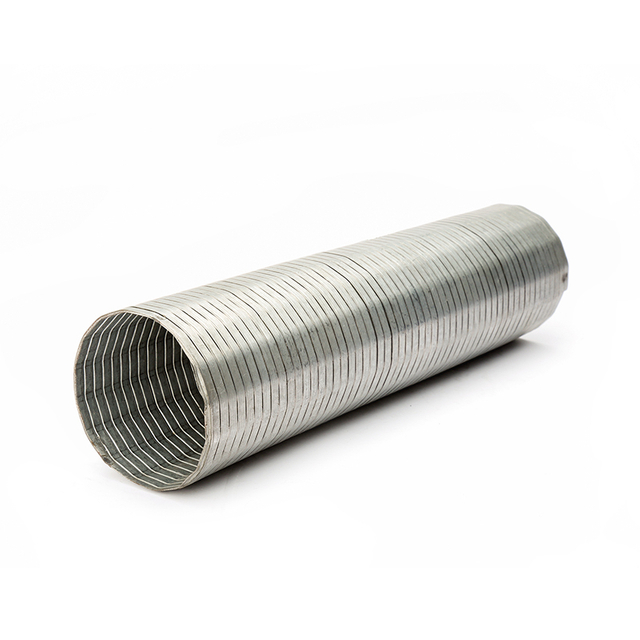
You might wonder what keeps your vehicle’s exhaust system safe and smooth. Flex Hose helps connect parts of your exhaust system, letting them move without breaking or leaking. This flexible pipe absorbs engine vibrations and stops exhaust system damage. If you choose the wrong size or install it poorly, you could face leaks, loud noises, or even unsafe fumes.
Key Takeaways
Flex hose links parts of your vehicle’s exhaust system. It takes in shakes and stops damage. Picking the right size and material for your flex hose is very important for safety and how well it works. Checking your flex hose often can find problems early. This can help you save money on fixing things. Putting in flex hose the right way lets it bend without breaking. This makes it last longer. Using good flex hose materials helps keep the air clean and lowers bad emissions.
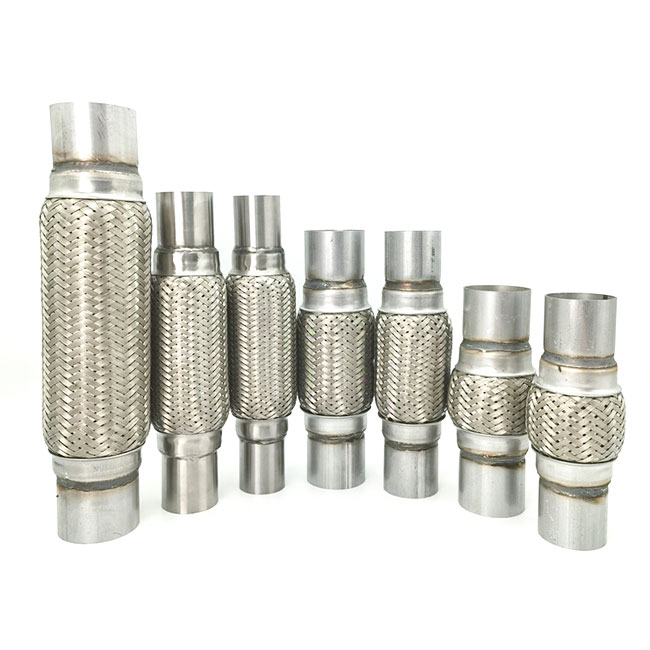
Flex Hose Function and Benefits
How Flex Hose Works
You might notice your car shakes a little when you start the engine or drive over bumps. That’s where flex hose comes in. It connects the engine to the rest of the exhaust system, usually between the engine manifold and the muffler or catalytic converter. This flexible pipe acts like a shock absorber for your exhaust system.
Flex hose absorbs engine vibrations and stops them from reaching other exhaust parts.
It prevents metal fatigue, joint loosening, and cracks by letting the exhaust system move with the engine.
The flexible structure bends and flexes without breaking, even when your car moves or the engine shifts.
It handles dynamic shifts and twisting forces, which helps keep the exhaust system sealed and working right.
Flex hose uses smart design features to do its job. Here’s a quick look at how it works inside:
Mechanism | Function |
|---|---|
Interlock Structure | Spreads out stress, so no one spot gets too much pressure. |
Lets the hose stretch or compress as the engine moves. | |
Material Properties | Handles heat and lets the hose flex without wearing out too fast. |
This design also helps reduce noise. The flex hose acts as a buffer, dampening sound waves and vibrations. You get a quieter ride, and the inside of your car stays more comfortable.
Why Flex Hose Is Important
You might wonder why you need flex hose at all. It’s not just about comfort. It’s about safety, air quality, and making your car last longer.
Flex hose keeps toxic exhaust gases, like carbon monoxide, from leaking into your car or garage. This is especially important in closed spaces.
It connects your car’s tailpipe to exhaust extraction systems in repair shops, making sure harmful fumes go outside.
The materials used, like high-temperature silicone or aluminized steel, make the hose tough and safe.
The flexible design means you can attach it quickly to different vehicles, which saves time and keeps things running smoothly.
Using flex hose helps your car meet air quality rules, like OSHA standards, and keeps the air inside buildings safer.
Flex hose also helps the environment. Some hoses use eco-friendly materials, like recycled rubber, and meet certifications for low emissions. Advances in making these hoses have even cut energy use, which means less pollution.
When you use flex hose, you help your exhaust system last longer. It reduces stress on pipes and joints, so you see fewer leaks and less damage. Here’s a quick comparison of how long different pipes last:
Type of Pipe | Average Lifespan |
|---|---|
3 to 5 years | |
Rigid Exhaust Pipe | Over 10 years |
How long your flex hose lasts depends on driving conditions and material quality. If you drive in normal conditions, it can last up to 8 years. In rough conditions, it might wear out in just 2 to 4 years. Choosing a high-quality flex hose means fewer repairs and a safer, quieter ride.
Tip: Check your flex hose regularly for signs of wear or leaks. Replacing it on time keeps your car safe and running smoothly.
Types of Flex Hose
Materials and Durability
You have a lot of choices when it comes to flex hose materials. Each one handles heat, pressure, and wear in its own way. Picking the right material keeps your exhaust system safe and working longer.
Here’s a quick look at the most common materials:
Material | Heat Resistance | Flexibility | Durability | Typical Applications |
|---|---|---|---|---|
Rubber | Up to ~250°F | Excellent | Low to moderate; can break down with oil or sun | Low-temp vents, short-term fixes |
Thermal-Resistant Vinyl | Up to ~300°F | Good | Moderate; resists mild chemicals | Workshop exhaust, temp setups |
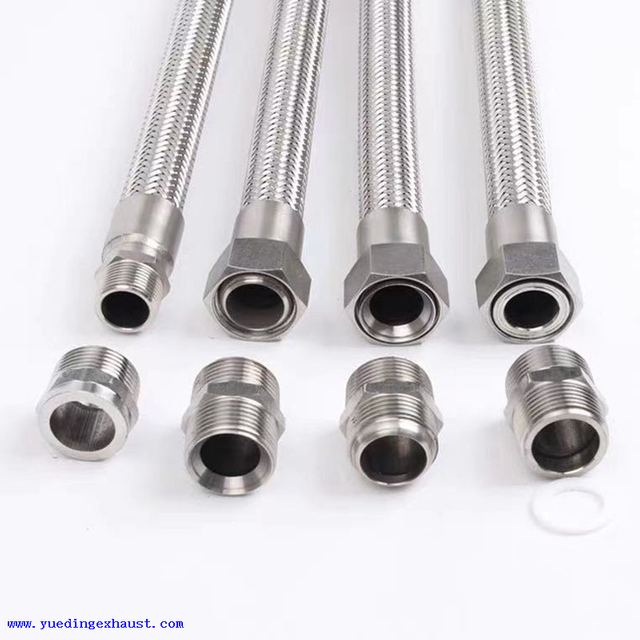
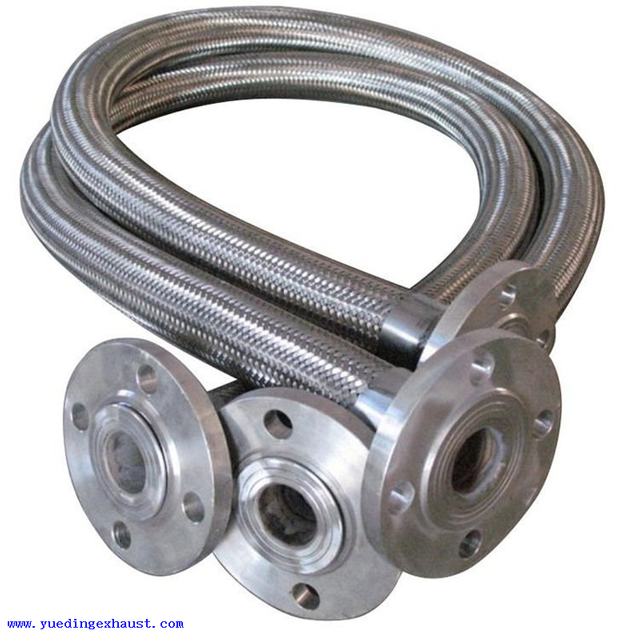
Stainless Steel (Braided/Corrugated) | 600°F–1200°F | Good | Exceptional; resists rust and pressure | High-performance cars, trucks, marine |
Silicone-Fiberglass Composite | Up to ~500°F | Very Good | High; resists weather and flames | Racing, turbo, custom exhausts |
Stainless steel stands out for its strength and heat resistance. You can trust it for tough jobs, like high-performance engines or heavy-duty trucks. It handles up to 1200°F and lasts over 10 years. Rubber and vinyl cost less, but they wear out faster and can’t handle much heat.
Expert Tip: If you’re not sure, go with 304 or 316 stainless steel. These types balance cost, heat resistance, and rust protection for most vehicles.
Manufacturers test flex hoses by bending, stretching, and heating them. They also check for kinks, cracks, and leaks. You should look for these signs when you inspect your own hose.
Sizes and Applications
Flex hose comes in many sizes to fit different vehicles. Picking the right size keeps your exhaust system sealed and quiet.
Vehicle Type | Inner Diameter Range |
|---|---|
Standard Passenger | 1 to 3 inches |
Trucks, SUVs, Commercial | Up to 5 inches |
Small cars use hoses with a 1 to 3-inch diameter. Big trucks or commercial vehicles need hoses up to 5 inches wide. Always match the hose size to your exhaust pipe for the best fit.
You’ll find flex hose in daily drivers, race cars, and even boats. Some hoses work best for short-term fixes, while others last for years in tough conditions. Think about your vehicle’s needs before you choose.
Note: Check your flex hose size and material before you buy. The right choice means fewer repairs and a safer ride.
Choosing and Installing Flex Hose
Fit and Compatibility
You want your exhaust system to work smoothly, so picking the right flex hose matters. If you choose the wrong size, you might see leaks, loud noises, or even engine trouble. A hose that’s too small can block exhaust flow and raise back pressure. That hurts performance and shortens the hose’s life.
Here’s a quick table to help you check compatibility:
Compatibility Factor | Description |
|---|---|
Size | Match the hose to your existing pipe and flow needs. |
Alloy | Pick materials like stainless steel for heat and corrosion resistance. |
Motion | Think about how much the hose will move with the engine. |
Pressure | Make sure the hose can handle the pressure in your exhaust system. |
Chemical Compatibility | Check if the hose material stands up to exhaust gases and fluids. |
You should also look at operating pressure and temperature. If your hose can’t handle the heat or pressure, it might burst or wear out fast.
Tip: Always measure your pipe’s inner diameter before buying a new hose. That keeps your system sealed and safe.
Installation Steps
Installing flex hose doesn’t have to be hard. You can do it with basic tools and a little patience. Here’s a step-by-step guide:
Measure the inner diameter and length of your existing exhaust pipe.
Choose a hose that fits snugly and bends easily around tight spots.
Check that the hose material matches your vehicle’s exhaust temperature and gases.
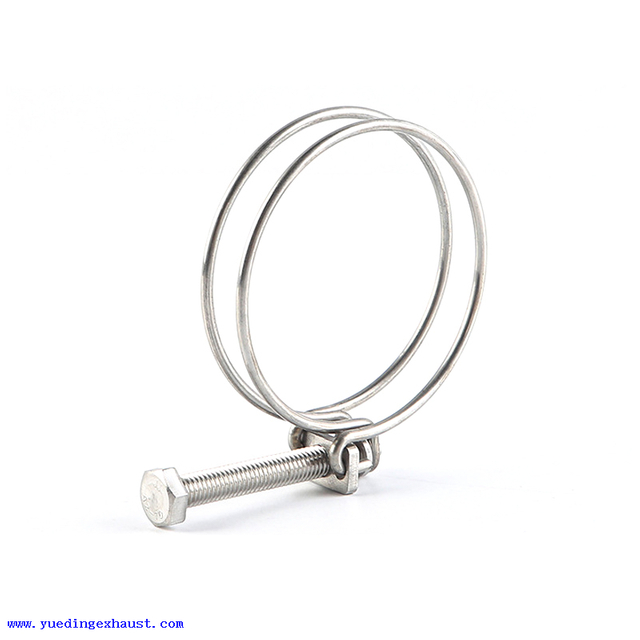
Use clamps to secure the hose. No welding needed.
Avoid sharp bends. That keeps the hose flexible and stops early wear.
Leave room for engine movement and thermal expansion.
If your engine runs hot, add heat shielding for extra protection.
You’ll need standard wrenches and clamps. Make sure the hose sits without stress so it can flex as needed.
Note: After installation, check for leaks or bulges. Fix any issues right away.
Maintenance Tips
Keeping your flex hose in good shape helps your exhaust system last longer. Here are some easy maintenance tips:
Inspect the hose every six months or during routine service.
Look for cracks, holes, or loose connections.
Clean the hose to remove dirt and debris. That stops corrosion.
Avoid sharp bends when you install or adjust the hose.
If you drive in tough conditions, check the hose more often.
Alert: Regular inspections catch problems early and save you money on repairs.
With these steps, you keep your exhaust system safe and your ride smooth.
Troubleshooting Flex Hose Issues
Common Problems
Flex hose can run into trouble over time, especially if you drive a lot or hit rough roads. You might notice some of these issues:
Cracks or bulges in the hose
Rust or corrosion on the metal parts
Louder engine noise than usual
Smell of exhaust fumes inside your car
Lower fuel efficiency
You should also watch out for broken hangers. These let the exhaust system move too much, which can cause cracks or even break the hose. Faulty oxygen sensors can mess with your exhaust gas mix, making things worse. If you drive on bumpy roads, leaks can pop up and let harmful fumes inside your car.
Tip: Check your flex hose every 5 years or after 50,000 miles. Look for cracks, bulges, or rust. Early checks can save you from bigger problems.
When you want to find the source of a problem, try these steps:
Listen for louder exhaust sounds or rattling.
Look for black soot or stains near the hose.
Use a flashlight or inspection camera to check hard-to-see spots.
Feel for air leaks around the hose while the engine runs (be careful, it gets hot!).
You can also ask a mechanic to do a backpressure test or measure temperatures at different points in the exhaust. These tests help spot blockages or leaks.
Solutions and Prevention
You can fix most flex hose problems if you catch them early. Here’s what you can do:
Replace cracked or bulging hoses right away.
Tighten or replace broken hangers to keep the exhaust system steady.
Swap out faulty oxygen sensors to keep your exhaust mix safe.
Seal small leaks with high-temp tape as a short-term fix.
To keep your flex hose in top shape, try these prevention tips:
Inspect your exhaust system every few months, or before long trips.
Make sure you install the hose correctly, with no sharp bends or stress.
Adjust your engine if you notice strange noises or smells.
Clean off dirt and road salt to stop rust.
Only use hoses that match your vehicle’s pressure and temperature needs.
Note: Regular inspections help you spot damage early. They also make sure your hose stays within safe pressure ratings, which prevents sudden failures.
By staying alert and doing simple checks, you keep your flex hose working longer and your car safer.
Choosing the right flex hose keeps your car safe and running strong. Here’s what you should remember:
Pick the right size and material for your car.
Make sure the hose can handle heat and pressure.
Install it with care and check it often.
Benefit | Why It Matters |
|---|---|
Corrosion Resistance | Stops leaks and keeps your exhaust working well. |
Vibration Absorption | Cuts down on noise and repairs. |
Heat Resistance | Handles tough engine heat without damage. |
Stay on top of inspections and you’ll enjoy a safer, longer-lasting ride!
FAQ
How do I know when to replace my flex hose?
You might hear loud exhaust noise or smell fumes. Look for cracks, rust, or leaks. If you see damage or feel vibrations, it’s time for a new hose.
Can I install a flex hose myself?
Yes, you can! Use basic tools and follow the steps in this guide. If you feel unsure, ask a mechanic for help.
What size flex hose should I buy?
Measure your exhaust pipe’s inner diameter. Match the hose size to your pipe. If you pick the wrong size, you might get leaks or poor performance.
Does flex hose fit all vehicles?
No, not every hose fits every car. Check your vehicle’s make, model, and exhaust system. Pick a hose that matches your needs.
Tip: Always double-check your measurements before you buy a new flex hose!






About Yueding
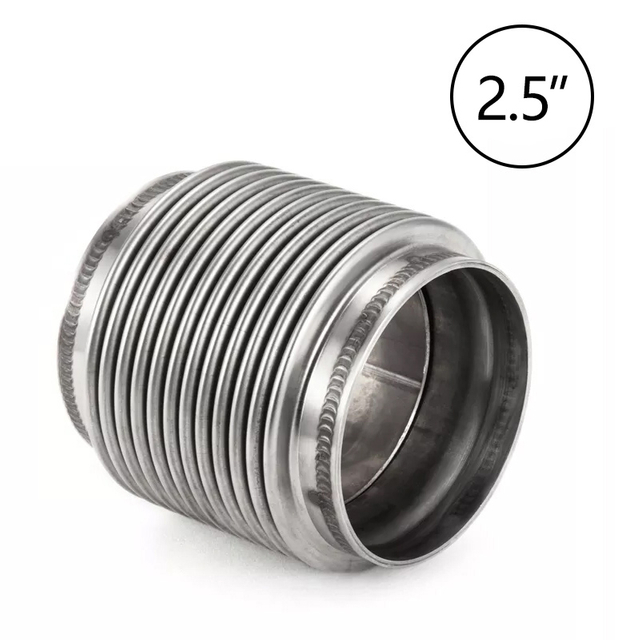
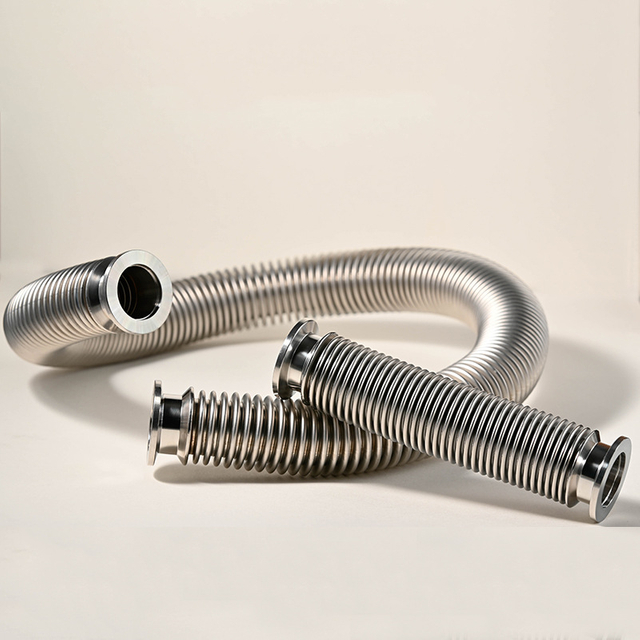
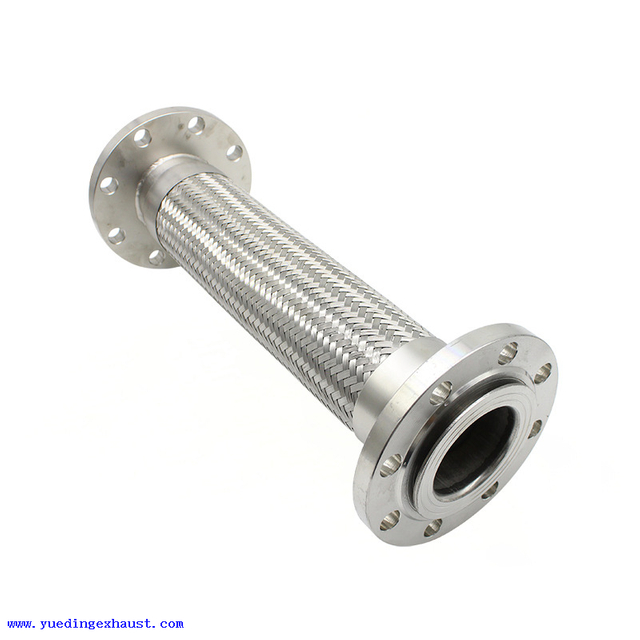
YUEDING manufactures stainless steel exhaust flexible connectors, clamps, metal bellows, and selected automotive exhaust components under ISO and IATF quality systems. With in-house production, inspection, and packaging capabilities, we support bulk orders, standard-size inventory, and customized branding for global B2B customers.
Reliable Delivery
Stable production planning, standard-size inventory, and batch shipping support help make delivery more predictable.

Factory Direct
Production, inspection, and packaging are managed in-house, making communication, quality control, and customization more efficient.

Integrated Supply
We supply flex pipes, clamps, metal bellows, and selected exhaust components to support related purchasing needs from one manufacturer.

