
OEM Exhaust Flex Pipe Manufacturing: What B2B Buyers Should Look For
Choosing an OEM Exhaust Flex Pipe supplier is not just about getting a lower price. For B2B buyers, it is about avoiding risk. A cheap quote can quickly lead to weak welds, poor fitment, delayed shipments, and costly claims.
An OEM Exhaust Flex Pipe helps absorb vibration and protect the exhaust system under heat, pressure, and movement. In this article, you will learn what to check before choosing a manufacturing partner, from material quality and testing to compliance, consistency, and long-term supply reliability.

Key Takeaways
● Choosing an OEM Exhaust Flex Pipe supplier is a risk-control decision, not just a price decision.
● Material grade, braid structure, bellows design, and weld quality directly affect durability and service life.
● Tight dimensional control is essential for fitment consistency, easier installation, and fewer return issues.
● A reliable manufacturer should prove repeatability through process control, in-line inspection, and stable batch quality.
● Samples alone are not enough; test reports, inspection records, and traceability documents matter too.
● Customization capability is important when vehicle platforms, operating conditions, or packaging needs vary.
● Certifications and quality systems help, but real value comes from execution, transparency, and corrective action ability.
● Strong supply capacity, lead-time stability, and scalable production are critical for long-term B2B cooperation.
● The lowest quote may create higher total cost through failures, claims, delays, and customer dissatisfaction.
● The best manufacturing partner delivers consistent quality, technical support, compliance readiness, and dependable supply.
The Most Important OEM Exhaust Flex Pipe Manufacturing Criteria B2B Buyers Should Evaluate
For most buyers, this is the most important part of supplier selection. If a manufacturer cannot meet these basics, the rest does not matter.
Material Grade and Corrosion Resistance
Material quality has a direct effect on exhaust flex pipe life. In most cases, buyers should review the stainless steel grade used for the bellows, braid, and end pipes. Lower-grade steel may reduce cost, but it can also reduce corrosion resistance and shorten service life in hot or wet environments.
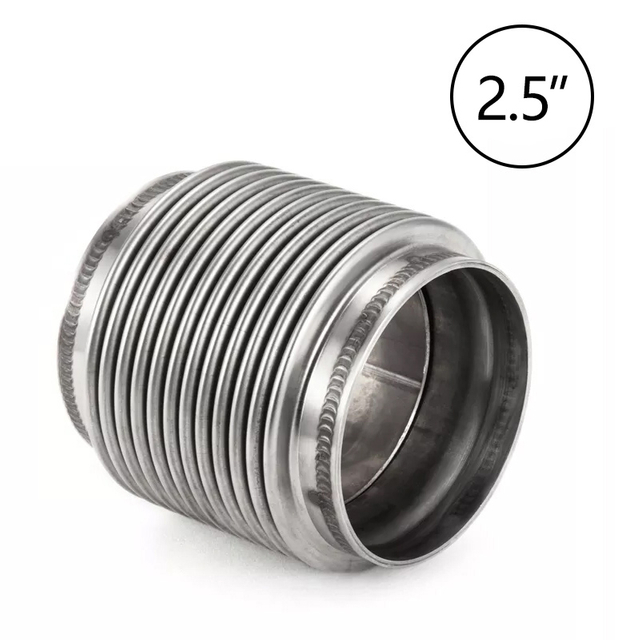
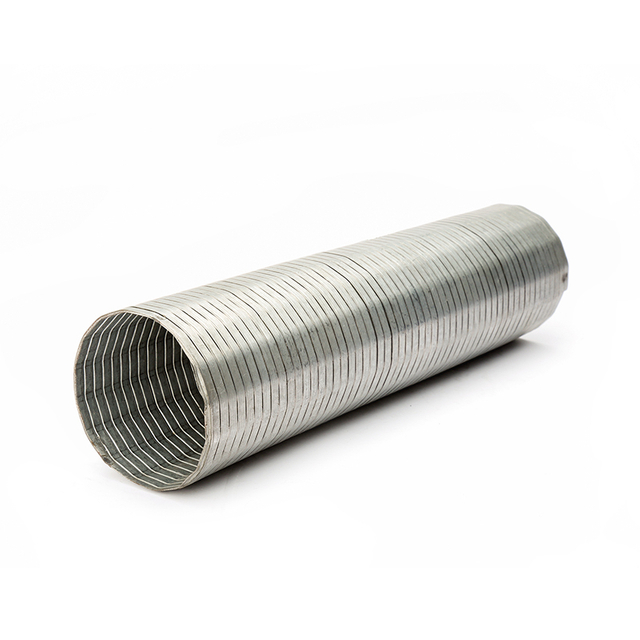
It is also important to review the structure itself. The braid design, bellows thickness, and inner liner configuration all affect how the product handles vibration and gas flow. If the pipe will be used in demanding road, commercial, or heavy-duty conditions, these choices matter even more.
A supplier should be able to explain:
● what stainless steel grades they use
● why they selected them
● how they match the material to the target application
Weld Integrity and Fatigue Performance
Weld quality is one of the fastest ways to judge manufacturing strength. Even a good-looking exhaust flex pipe can fail early if the welds are weak or inconsistent. Buyers should ask about welding methods, operator standards, and inspection steps.
Fatigue performance matters because flex pipes work in motion. They face vibration, repeated expansion and contraction, and long exposure to thermal cycling. A manufacturer should show how it tests cycle life and how it identifies weak points near the weld zones.
Ask for details on:
● welding process control
● fatigue or cycle testing
● vibration resistance checks
● common failure modes and how they reduce them
Dimensional Accuracy and Vehicle Fitment Consistency
For B2B buyers, fitment problems can become expensive very fast. If one batch installs well but the next does not, the result can be rework, field complaints, and product returns. That is why dimensional accuracy is not a minor detail. It is a core OEM requirement.
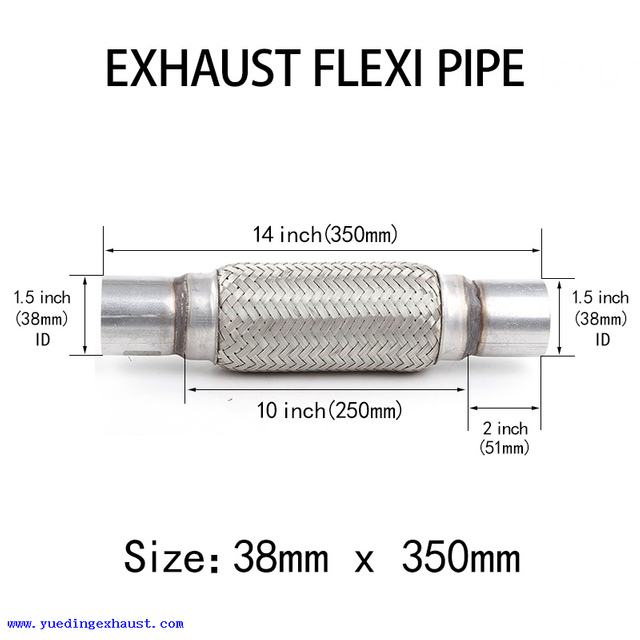
Buyers should confirm tolerances for length, diameter, wall thickness, connector shape, and weld alignment. A capable OEM Exhaust Flex Pipe manufacturer should also explain how it holds those tolerances from sample stage to full production.
Manufacturing Process Control and Repeatability
A good sample is not enough. Buyers need proof that the manufacturer can repeat the same quality over many batches. That depends on tooling, forming, in-line inspection, and process discipline.
Manufacturers with stronger process control often have:
● stable tooling and fixtures
● standard work instructions
● in-process inspection points
● lot-based production records
● corrective action procedures
Without repeatability, even a strong first order can be followed by unstable later orders.
Load, Pressure, and Thermal Performance Validation
Exhaust systems face heat, movement, pressure pulses, and road vibration. Buyers should make sure the product has been validated under similar conditions. That may include leak testing, thermal resistance checks, burst or pressure testing, and durability review under simulated service conditions.
If the supplier only shares general sales claims, buyers should be careful. Validation should be tied to actual use conditions, not broad promises.
OEM Compliance Documentation and Traceability
Documentation matters, especially for larger buyers, importers, distributors, and OEM-focused brands. A serious manufacturer should be ready to provide:
● quality management certificates
● material certificates
● test reports
● production inspection records
● lot traceability details
These records help buyers manage claims, investigate failures, and meet customer or market requirements.
How to Assess OEM Exhaust Flex Pipe Product Quality Before You Place a Large Order
Large-volume buying without a strong qualification process creates avoidable risk. Buyers should test the supplier before they test the market.
Requesting Samples That Reflect Real Production Standards
A pre-production sample should not be treated like a showroom piece. It should reflect actual production materials, actual weld methods, and the same finishing standards used in mass production. Otherwise, buyers may approve a sample that does not represent future orders.
Ask the supplier whether the sample came from:
● trial production
● standard tooling
● actual line materials
● the same inspection process used in batch orders
Reviewing Test Reports Instead of Relying on Claims
Sales language often sounds similar across suppliers. Test reports create separation. Buyers should request and review reports related to:
● fatigue testing
● salt spray or corrosion testing
● leak testing
● tensile or structural checks
● thermal resistance performance
If possible, compare the report date, batch number, and product specification against the exact part you want to buy. Generic reports are less useful than part-specific ones.
Inspecting Construction Details That Signal Long-Term Reliability
Small details often reveal true product quality. During sample evaluation, buyers should inspect:
● braid density and uniformity
● end pipe joining quality
● inner liner structure
● surface finish
● edge treatment
● weld cleanliness
A pipe may look acceptable at first glance, but uneven braid tension, rough weld zones, or poor liner alignment can signal early failure risk.
Comparing Sample Consistency Across Multiple Units
One sample can be lucky. Three to five samples tell a better story. Buyers should compare multiple pieces from the same supplier and check whether dimensions, finish, and weld quality stay stable.
This is especially important for buyers planning repeat orders or private-label programs. Consistency is often more valuable than a single perfect unit.
Quality Check Area | What Buyers Should Review | Why It Matters |
Material | Steel grade, braid, liner, bellows thickness | Affects corrosion resistance and durability |
Welds | Uniformity, penetration, finish | Reduces failure risk |
Dimensions | Length, diameter, end connection accuracy | Supports fitment consistency |
Testing | Fatigue, leak, thermal, corrosion | Confirms real performance |
Sample Repeatability | Same quality across multiple pieces | Signals production stability |
OEM Exhaust Flex Pipe Customization Capabilities That Matter to B2B Buyers
Not every buyer needs a standard part. Many need a supplier that can adjust the product to fit a platform, a market, or a brand strategy.
Fitment-Based Customization for Specific Vehicle Platforms
A reliable manufacturer should support key fitment variables such as pipe diameter, overall length, connector type, and mounting layout. For buyers serving different vehicle models or regional standards, flexibility in these details can reduce sourcing complexity.
It is also helpful when the supplier can review technical drawings or physical samples and translate them into production-ready specifications.
Performance-Oriented Design Adjustments
In some use cases, standard construction will not be enough. Buyers may need changes in braid structure, bellows wall thickness, or inner liner type to support heavier vibration, higher temperatures, or longer service intervals.
A strong supplier should not only accept changes. They should explain how those changes affect cost, durability, and manufacturability.
Private Labeling and Packaging Support
For distributors and aftermarket brands, packaging matters almost as much as the product. Buyers should confirm whether the manufacturer can support:
● logo labeling
● barcode or SKU labeling
● custom cartons
● export-ready packaging
● pallet and shipping protection standards
Good packaging reduces damage risk and helps buyers build a more professional brand presence.
Engineering Collaboration During Product Development
Technical communication can save weeks or even months. A supplier that responds quickly, reviews designs carefully, and provides practical feedback is easier to work with over time. This is especially valuable during new product development or when moving from prototype to mass production.
Certifications, Quality Systems, and Compliance Signals Buyers Should Verify
Certifications do not guarantee perfect quality, but they do show whether the factory has structured systems in place.
ISO and Factory Quality Management Systems
Many B2B buyers look for ISO-based quality management systems because they suggest process discipline and formal inspection routines. They also make audits easier. Still, buyers should go beyond the certificate and ask how quality is managed on the floor.
Useful questions include:
● How are inspection points set?
● How are nonconforming parts handled?
● How is operator training managed?
● How are records stored and reviewed?
Emissions, Market, and Customer-Specific Compliance Requirements
Compliance needs vary by region and application. A product sold into one market may need different documentation than one sold into another. Buyers should explain the target market early and confirm whether the supplier understands those requirements.
Where relevant, add a note such as: data or market requirement needs verification.
Raw Material Traceability and Lot Tracking
When quality issues happen, traceability helps buyers move fast. A supplier should be able to trace raw materials, production lots, inspection results, and shipment records. Without that, even a small defect issue can become hard to contain.
Corrective Action Processes and Quality Transparency
No factory has zero problems forever. What matters is how they respond. A capable manufacturer should have a clear corrective action process, root cause analysis, and a method for preventing repeat issues.
Supply Chain Reliability: Can the Manufacturer Deliver at OEM Level?
A supplier may build a good product but still fail as a long-term partner if it cannot deliver consistently.
Production Capacity and Lead-Time Stability
Buyers should verify actual capacity, not just quoted monthly output. Ask how many lines support the product, what the normal lead time is, and how they handle peak demand periods. A supplier that depends on one line or one key operator may carry more risk.
Inventory Planning and Raw Material Sourcing Resilience
Raw material supply affects both lead time and pricing. If the factory depends on unstable upstream supply, buyers may face shipment delays or sudden price changes. Ask how they plan raw material purchases and whether they hold safety stock for core items.
On-Time Delivery Performance for Repeat Orders
One fast first shipment does not prove long-term reliability. What matters is repeat performance across multiple orders. Buyers should ask about on-time delivery history, shipment planning, and communication processes when schedules change.
Scalability for Growing B2B Demand
Can the supplier support growth without losing consistency? That is a key question for brands and distributors that plan to expand. Buyers should review whether the factory can scale production, quality control, and logistics together.
Supply Chain Factor | Why It Matters for B2B Buyers |
Capacity | Prevents shortages during growth |
Lead Time Stability | Supports sales planning and customer commitments |
Raw Material Resilience | Reduces price and delivery shocks |
Delivery Consistency | Protects customer trust |
Scalability | Supports long-term sourcing strategy |
Cost Evaluation: How to Compare OEM Exhaust Flex Pipe Suppliers Beyond Unit Price
A lower unit price can hide bigger costs later. Smart buyers compare total sourcing cost, not just the quotation.
Total Cost of Ownership vs. Low Quotation Traps
A cheap OEM Exhaust Flex Pipe may create hidden costs through defects, short service life, installation issues, and warranty claims. When buyers compare suppliers, they should also compare expected reliability, claim risk, and replacement frequency.
MOQ, Tooling, and Development Cost Structure
Before moving forward, buyers should clarify:
● minimum order quantity
● tooling fees
● sample charges
● custom development costs
● packaging costs
● payment terms
These items can change the real project cost more than the quoted unit price.
Warranty Risk and Defect-Related Commercial Losses
Poor product quality does not only affect return rates. It can also damage buyer relationships, create labor claims, and hurt brand credibility. For importers and private-label brands, these indirect losses can be significant.
Price Stability in Long-Term Sourcing Relationships
A stable price over time often matters more than the lowest opening offer. Buyers should ask how the supplier manages raw material swings and whether long-term agreements are possible.
Questions B2B Buyers Should Ask Before Choosing an OEM Exhaust Flex Pipe Manufacturer
A short list of direct questions can help buyers separate strong manufacturers from weak traders or unstable factories.
What Testing Standards Do You Use for OEM Exhaust Flex Pipe Durability?
This question helps buyers see whether the supplier has a real validation process or just general product claims. Ask for the method, frequency, and records.
Can You Provide Production Samples, Inspection Records, and Traceability Documents?
This checks whether the supplier is organized and transparent. Serious manufacturers are usually prepared for this request.
How Do You Control Consistency Across Large-Volume Orders?
Here, buyers should listen for answers about process control, tooling, in-line inspection, and lot management. Vague answers may signal weak manufacturing discipline.
What Happens If a Batch Fails Quality Expectations?
This question reveals the supplier’s after-sales strength. Buyers should look for a clear process: investigation, containment, correction, reporting, and prevention.
Final Buyer Checklist
Before selecting an OEM Exhaust Flex Pipe manufacturing partner, buyers should confirm the supplier can meet these points:
● stable material quality
● strong weld performance
● accurate dimensions and fitment consistency
● repeatable manufacturing control
● real testing and validation
● clear documentation and traceability
● useful customization support
● reliable delivery and scalable capacity
● transparent cost structure
● credible corrective action process
Conclusion
Choosing an OEM Exhaust Flex Pipe supplier is about long-term value, not just price. The right partner helps reduce quality risk, improve fitment consistency, and support stable supply. yuedingexhaust adds value through dependable product quality, practical manufacturing support, and service that helps B2B buyers protect margins, customer trust, and brand strength.
FAQS
Q: What is an OEM Exhaust Flex Pipe in B2B sourcing?
A: An OEM Exhaust Flex Pipe is a flexible exhaust component made to meet OEM-level standards for fitment, durability, and performance. In B2B sourcing, buyers use it to reduce vibration, absorb movement, and protect the exhaust system under heat and pressure. The key is not just the part itself, but whether the manufacturer can deliver stable quality and repeatable production.
Q: Why should buyers look beyond price when choosing an OEM Exhaust Flex Pipe supplier?
A: A low quote can lead to weak welds, poor materials, loose tolerances, and unstable delivery. That often creates higher total cost through returns, warranty claims, and lost customer trust. Buyers should choose an OEM Exhaust Flex Pipe supplier based on materials, testing, process control, compliance, and supply reliability, not unit price alone.
Q: How can buyers evaluate OEM Exhaust Flex Pipe quality before placing a large order?
A: Buyers should request production-level samples, review test reports, inspect welds and braid structure, and compare several units instead of one. A reliable OEM Exhaust Flex Pipe supplier should also provide inspection records and traceability documents. These steps help confirm whether the sample quality can be repeated in mass production.
Q: What should buyers ask about OEM Exhaust Flex Pipe manufacturing capability?
A: Buyers should ask about material grades, welding methods, tolerance control, fatigue testing, thermal validation, and batch consistency. They should also ask how the factory handles nonconforming products and whether it can scale output without quality drift. These questions reveal whether the supplier has real manufacturing control or only sales claims.





About Yueding
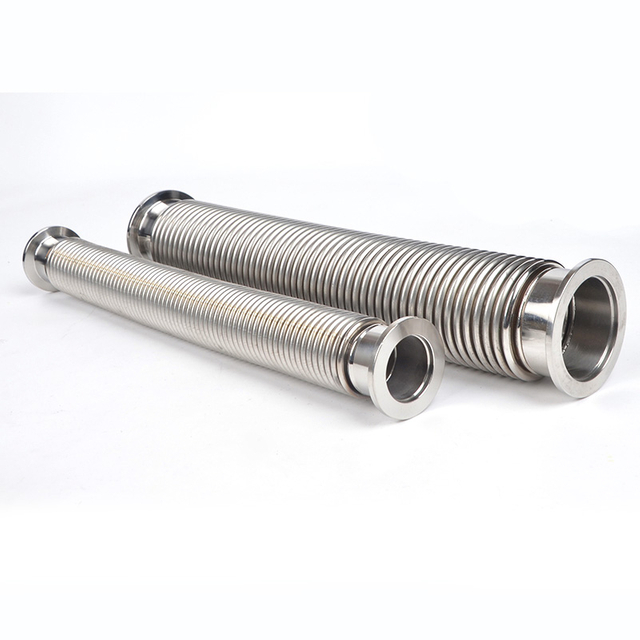
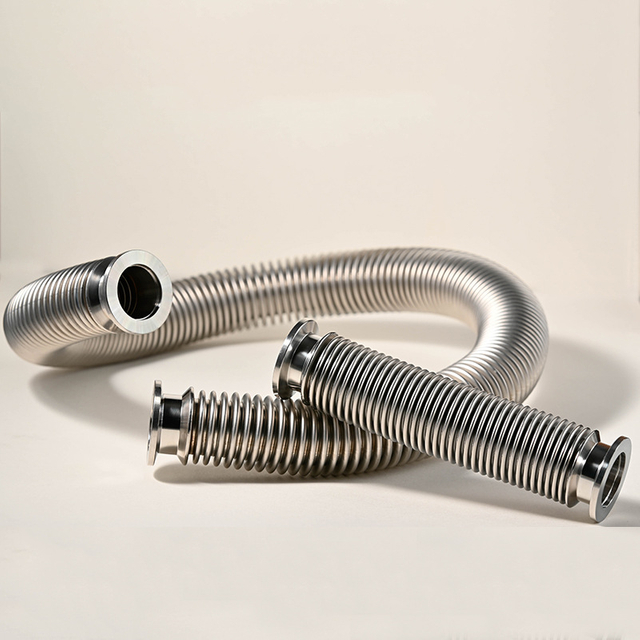
YUEDING manufactures stainless steel exhaust flexible connectors, clamps, metal bellows, and selected automotive exhaust components under ISO and IATF quality systems. With in-house production, inspection, and packaging capabilities, we support bulk orders, standard-size inventory, and customized branding for global B2B customers.
Reliable Delivery
Stable production planning, standard-size inventory, and batch shipping support help make delivery more predictable.

Factory Direct
Production, inspection, and packaging are managed in-house, making communication, quality control, and customization more efficient.

Integrated Supply
We supply flex pipes, clamps, metal bellows, and selected exhaust components to support related purchasing needs from one manufacturer.

