
Best Exhaust Flex Pipe Materials for Different Driving and Working Conditions
Choosing the right Exhaust Flex Pipe can make or break your vehicle's performance. Have you ever wondered why some flex pipes wear out faster than others? The material you choose plays a vital role in its lifespan and efficiency.
In this article, we’ll dive into how to select the best Exhaust Flex Pipe based on your vehicle's needs and environment. You’ll learn about the key factors to consider and avoid costly mistakes.

Key Takeaways
● Exhaust Flex Pipe material choice depends on driving conditions, climate, and vehicle use. Aluminized steel works well for light-duty, dry environments, while 304 stainless steel is better for harsher climates.
● For high-performance and heavy-duty vehicles, materials like double-braided or interlock-lined Exhaust Flex Pipe offer extra durability and resistance to extreme conditions.
● Matching the right Exhaust Flex Pipe material to your vehicle's needs can extend the lifespan of your exhaust system, reduce repair costs, and ensure smoother operation.
● Corrosion resistance and heat tolerance are the most important factors when choosing the ideal Exhaust Flex Pipe for your vehicle, especially for those in high-heat or salted-road regions.
● Regular maintenance and early detection of damage, such as rust or cracks, can prevent costly repairs and improve overall vehicle performance.
How to Choose the Best Exhaust Flex Pipe Material for Real-World Use
Table1. Comparison of Exhaust Flex Pipe Materials Based on Key Factors
Material | Heat Resistance | Corrosion Resistance | Vibration Absorption | Flexibility | Service Life |
Aluminized Steel | Low | Moderate | Moderate | High | Short |
409 Stainless Steel | Moderate | Moderate | Good | High | Moderate |
304 Stainless Steel | High | Excellent | Excellent | Moderate | Long |
The 5 Performance Factors That Matter Most in an Exhaust Flex Pipe
When choosing an Exhaust Flex Pipe, consider these five performance factors:
● Heat Resistance: The pipe must withstand extreme exhaust temperatures without weakening or cracking. This is particularly important in high-performance or turbocharged systems.
● Corrosion Resistance: Exposure to moisture, road salts, and other corrosive elements can severely damage the pipe. Materials with high corrosion resistance, like stainless steel, can extend the life of the pipe.
● Vibration Absorption: The flex pipe absorbs engine and exhaust system vibrations. A material that can effectively manage vibration will prevent undue stress on the exhaust system and ensure smoother operation.
● Flexibility vs Structural Strength: The pipe must balance flexibility to accommodate movement and structural strength to handle exhaust flow and pressure.
● Expected Service Life: The durability of the material affects how long the pipe will last before needing replacement. Choosing a material suited for your vehicle’s usage and environment is key to getting the most out of your exhaust system.
Why Driving and Working Conditions Matter More Than Generic “Best Material” Claims
It’s essential to tailor your Exhaust Flex Pipe material selection to the unique conditions your vehicle faces. Here’s why:
● City Commuting vs Highway Mileage: Commuting typically involves short trips where the pipe deals with more frequent temperature changes, while highway driving may expose the pipe to prolonged heat and stress.
● Towing and Load-Bearing Vehicles: Vehicles used for towing or carrying heavy loads experience higher exhaust temperatures and more movement in the exhaust system, requiring stronger, more durable materials.
● Off-Road Impact and Chassis Movement: Off-road driving exposes the flex pipe to more physical stress, and the vehicle’s suspension movement demands a material that can handle additional vibrations and flexing.
● Fleet/Commercial Stop-and-Go Duty Cycles: Fleet vehicles endure more frequent stopping and starting, which accelerates wear and tear on exhaust components. A durable and long-lasting material is crucial for minimizing downtime and maintenance costs.
How Exhaust System Layout Affects Exhaust Flex Pipe Material Choice
The layout and configuration of your exhaust system also affect which material is best suited for your needs. Consider the following:
● Front Pipe vs Mid-Pipe Placement: Flex pipes located in different parts of the exhaust system are exposed to different heat levels and stresses.
● Turbocharged Systems and Higher EGT: Turbocharged engines produce higher exhaust gas temperatures (EGT), which require heat-resistant materials to prevent premature failure.
● Diesel vs Gasoline Applications: Diesel engines typically generate higher temperatures and soot, necessitating more robust materials to resist damage.
● Space Constraints and Movement Range: Vehicles with limited space in the exhaust system need flexible materials that can accommodate movement without compromising strength.
The Trade-off Between Cost, Durability, and Replacement Frequency
When choosing a flex pipe material, consider the cost versus its long-term durability. While cheaper materials may seem like a good deal, they often fail sooner under harsh conditions, leading to more frequent replacements and higher long-term costs.
● Lower Upfront Cost vs Long-Term Value: Cheaper materials may save money initially but could cost more in repairs and replacements.
● When “Cheaper” Materials Become More Expensive Over Time: Materials that corrode quickly or wear out prematurely can lead to more downtime and higher labor costs for replacements.
Signs the Material Grade Is Too Weak for the Application
Here are common signs that the Exhaust Flex Pipe material may not be strong enough for your vehicle:
● Surface Rust Appearing Early: This indicates that the material isn’t resistant to corrosion, particularly in wet or salted environments.
● Broken Braid or Fraying: If the outer braid is fraying, the pipe may not be durable enough to handle the vibrations and stress from the engine.
● Inner Liner Fatigue: The inner liner’s wear is a sign that the pipe is not handling the internal pressure and exhaust flow as well as it should.
● Exhaust Leaks Under Load: If you notice leaks or strange noises, it may be due to the material degrading under load, leading to exhaust leaks.
Quick Decision Framework: Match the Material to the Environment
Here’s a quick decision framework to help you match the material to your environment:
● Dry Climate / Light Use: Materials like aluminized steel may suffice for light-duty driving in dry climates.
● Wet or Salted Roads: Stainless steel, particularly 304 stainless, offers superior corrosion resistance and is ideal for regions with wet conditions or salted roads.
● Heavy-Duty Work Vehicles: Vehicles used in heavy-duty applications, such as trucks and work vans, require materials like double-braided stainless steel for added durability.
● High-Heat or Modified Performance Setups: If your vehicle generates high exhaust temperatures (e.g., turbocharged engines), look for materials with enhanced heat resistance like interlock-lined stainless steel.
Exhaust Flex Pipe Material Comparison: Which Material Works Best in Different Conditions
Aluminized Steel Exhaust Flex Pipe: Best for Budget Repairs in Mild Conditions
Aluminized steel is an affordable option suitable for mild conditions, offering basic performance at a lower price point. However, its primary limitation is poor long-term rust resistance, which makes it unsuitable for environments exposed to moisture or salt.
409 Stainless Steel Exhaust Flex Pipe: A Practical Choice for Daily Drivers
409 stainless steel offers better heat tolerance than basic steel and is a popular choice for OEM applications. It strikes a good balance between cost and performance, making it an excellent choice for daily drivers in moderate climates.
304 Stainless Steel Exhaust Flex Pipe: Best for Harsh Weather and Long Service Life
304 stainless steel is highly resistant to corrosion, making it ideal for environments with high humidity, road salts, or frequent temperature changes. It’s perfect for those prioritizing durability, as it can withstand harsher conditions and provide a longer service life.
Double-Braided Exhaust Flex Pipe: When Extra External Protection Matters
Double-braided flex pipes offer added strength and protection against vibrations and stress. These are particularly useful for vehicles that undergo heavy-duty use, such as trucks, vans, or vehicles in rough terrain.
Interlock-Lined Exhaust Flex Pipe: Best for High Heat and Exhaust Flow Stability
Interlock-lined exhaust flex pipes feature improved internal support, offering better resistance to turbulence and inner-wall fatigue. These are ideal for performance vehicles and systems subject to high exhaust gas temperatures (EGT), such as turbocharged or modified engines.
Single Braid vs Double Braid vs Inner Liner: Which Construction Changes Performance Most?
The braid and liner construction significantly impact durability and flow stability. Double-braided pipes offer more strength and better vibration protection compared to single-braided designs. An inner liner, often found in interlock-lined pipes, provides superior internal support and reduces inner-wall fatigue, making it the best choice for high-performance setups.
Best Exhaust Flex Pipe Material Combinations by Use Case
● 409 Stainless + Basic Braid: Good for budget daily drivers in mild climates.
● 304 Stainless + Double Braid: Ideal for regions with harsh weather or vehicles that require added durability.
● 304 Stainless + Interlock Liner: Best for high-heat environments or performance systems that need strong internal support.
Best Exhaust Flex Pipe Materials for Daily Driving Conditions
Best Material for City Commuting and Short-Trip Driving
In city commuting, where frequent stops and short trips cause temperature fluctuations, stainless steel is usually a better choice than cheaper aluminized steel. Its ability to withstand corrosion and temperature cycles extends the service life, making it more cost-effective in the long run.
Best Exhaust Flex Pipe for Highway Driving and High-Mileage Vehicles
Highway driving exposes the Exhaust Flex Pipe to sustained heat cycles, so choosing a material with good thermal stability is important. 409 stainless steel is a practical option for long-term use due to its moderate heat tolerance and durability.
Best Choice for Rainy, Humid, or Salted-Road Regions
For vehicles operating in areas with frequent rain or salted roads, corrosion resistance is crucial. 304 stainless steel, known for its strong resistance to rust, is the best option for extending the life of the exhaust system under these conditions.
Conclusion
Choosing the best Exhaust Flex Pipe material depends on understanding your vehicle’s specific needs and the environment in which it operates. Aluminized steel may be suitable for light-duty, dry climates, while 304 stainless steel is a superior option for harsher environments. For vehicles involved in heavy-duty work, double-braided or interlock-lined materials offer additional durability and longevity. By matching the material to the conditions, you can significantly extend the life of your exhaust system, reduce maintenance costs, and improve overall performance.
yuedingexhaust provides high-quality Exhaust Flex Pipe materials, ensuring better performance and longer life for your vehicle. Their products are designed to meet various driving and working conditions, offering excellent value for your investment.
FAQS
Q: What is an Exhaust Flex Pipe and why is it important?
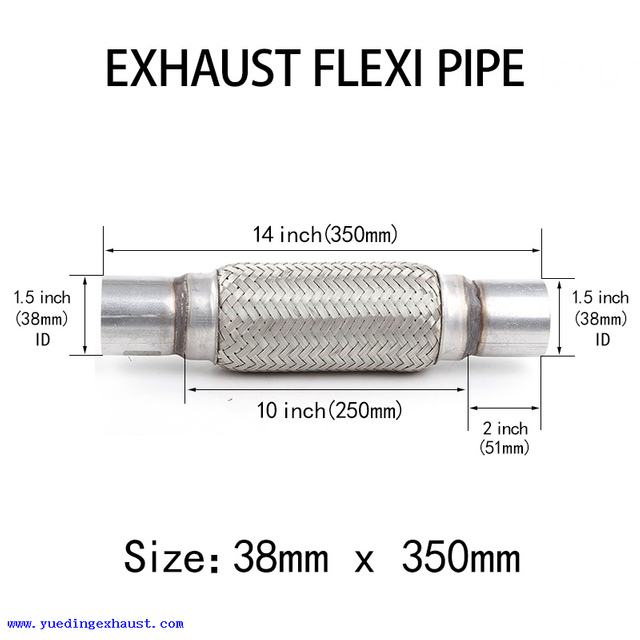
A: An Exhaust Flex Pipe absorbs vibrations, thermal expansion, and movement in the exhaust system, preventing damage. It is essential for ensuring smooth operation and longevity of the exhaust system.
Q: How do I choose the right Exhaust Flex Pipe material for my vehicle?
A: The right Exhaust Flex Pipe material depends on your vehicle's operating conditions, such as climate, driving habits, and the environment. For harsh conditions, 304 stainless steel is ideal for its durability.
Q: What is the difference between aluminized steel and 304 stainless steel Exhaust Flex Pipe?
A: Aluminized steel is more affordable but less resistant to rust, making it suitable for dry, mild climates. In contrast, 304 stainless steel offers superior corrosion resistance, making it ideal for harsh environments.
Q: How long does a high-quality Exhaust Flex Pipe last?
A: The lifespan of an Exhaust Flex Pipe depends on material quality and environmental factors. High-quality options like 304 stainless steel can last several years, while cheaper materials may degrade quicker.
Q: Can a damaged Exhaust Flex Pipe cause performance issues?
A: Yes, a damaged Exhaust Flex Pipe can lead to exhaust leaks, poor engine performance, and increased noise. It's crucial to replace it when signs of wear, like rust or cracks, appear.
Q: Why is 304 stainless steel the best material for harsh driving conditions?
A: 304 stainless steel provides excellent corrosion resistance and can withstand high temperatures, making it the best choice for vehicles exposed to salt, humidity, or frequent temperature fluctuations.




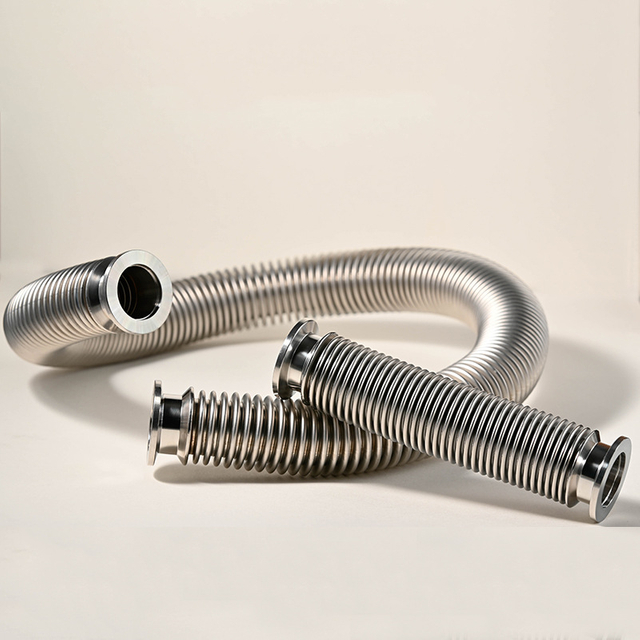


About Yueding
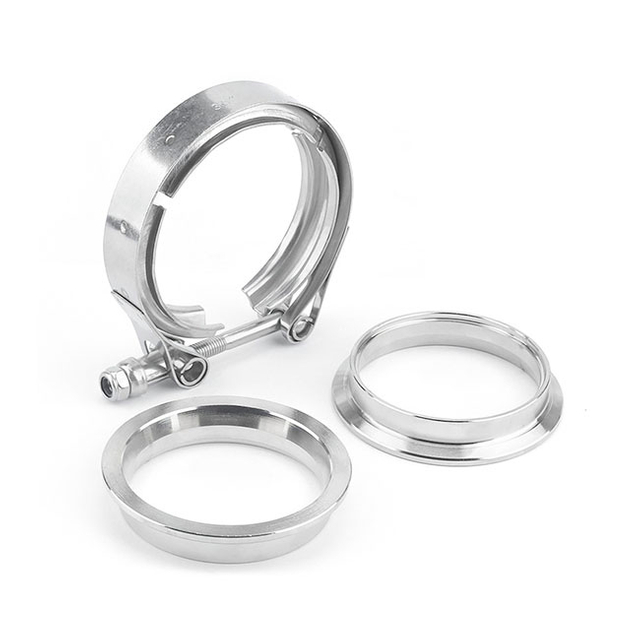
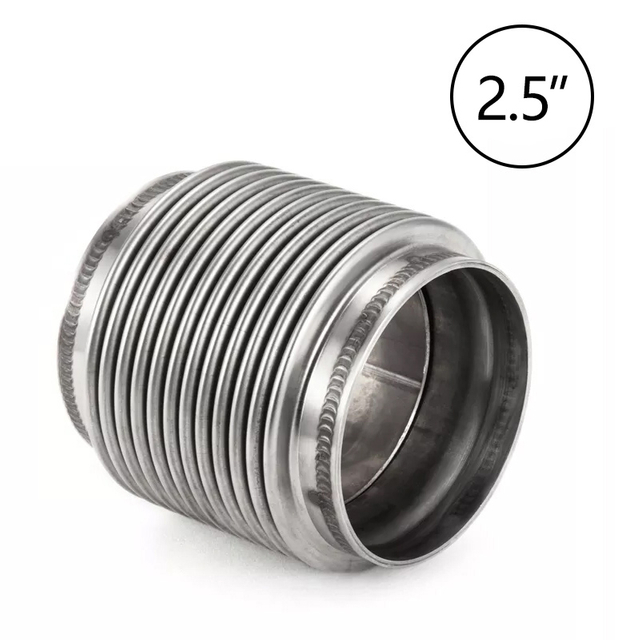
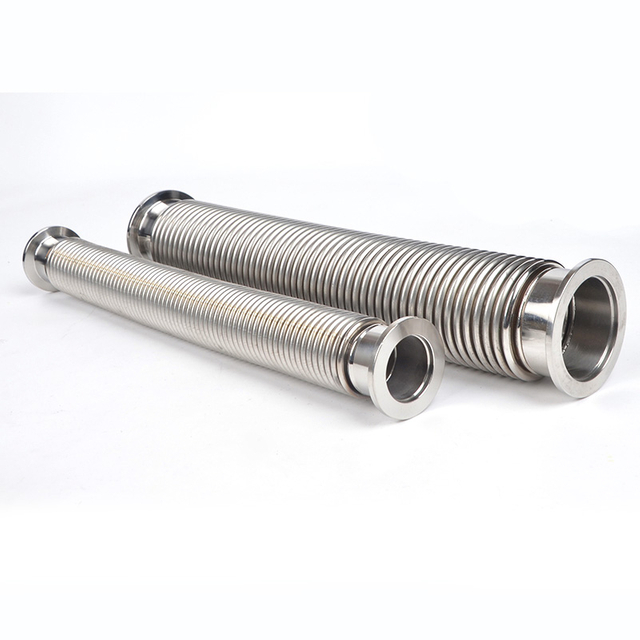
YUEDING manufactures stainless steel exhaust flexible connectors, clamps, metal bellows, and selected automotive exhaust components under ISO and IATF quality systems. With in-house production, inspection, and packaging capabilities, we support bulk orders, standard-size inventory, and customized branding for global B2B customers.
Reliable Delivery
Stable production planning, standard-size inventory, and batch shipping support help make delivery more predictable.

Factory Direct
Production, inspection, and packaging are managed in-house, making communication, quality control, and customization more efficient.

Integrated Supply
We supply flex pipes, clamps, metal bellows, and selected exhaust components to support related purchasing needs from one manufacturer.

