
How to Measure an Exhaust Flex Pipe for Replacement or Quotation
Table of Contents
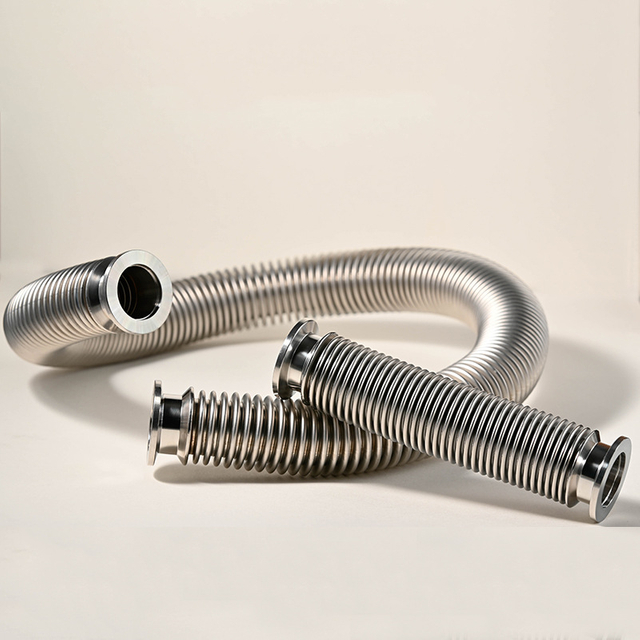
When you need to replace or order an exhaust flex pipe, a clear product photo is helpful, but it is usually not enough. The most important details are still the pipe diameter, total length, flexible body length, end style, and inner structure.
For most standard exhaust flex pipe orders, measurement is not complicated. A photo, basic size information, and material preference are often enough for us to prepare a quotation. The problems usually appear when only part of the length is measured, the inner structure is not clear, or the flex pipe has welded ends, flanges, or other special connection details.
This guide explains how to measure an exhaust flex pipe in a practical way, based on the details we usually check before quotation or production.
Why Measurement Matters More Than a Product Photo
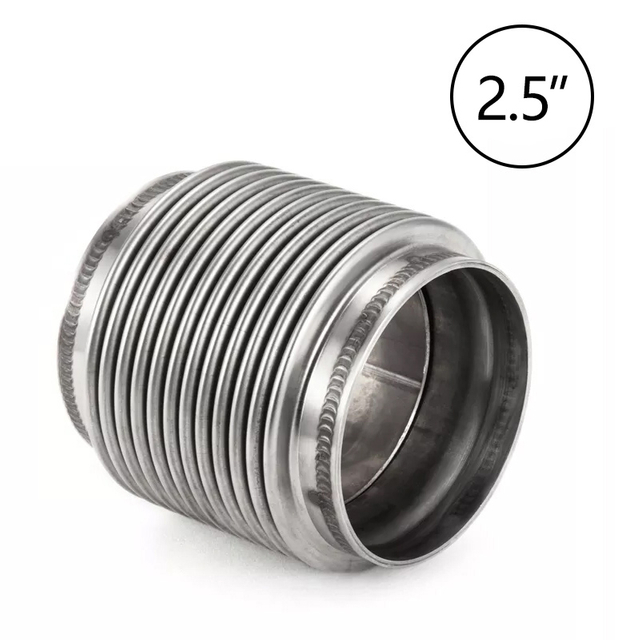
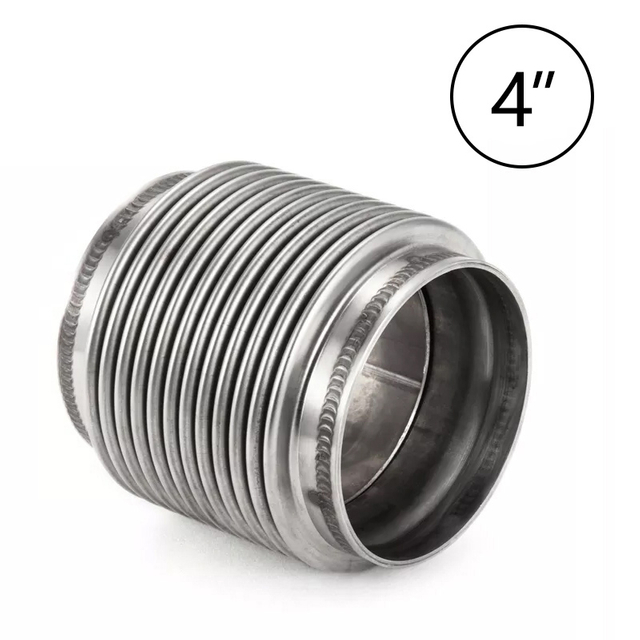
In many inquiries, the product photo already shows the general shape of the exhaust flex pipe. We can usually tell whether it is a standard braided flex pipe, a flex pipe with nipples, or a more customized connector.
But a photo cannot always confirm the size.
For example, two flex pipes may look very similar in a picture, but the total length, body length, pipe diameter, or internal liner can be different. If the measurement is incomplete, the quotation may need to be confirmed again, and production cannot move forward smoothly.
For standard replacement parts, the key is not to provide too many complicated details. The key is to make sure the measured length and diameter mean the same thing on both sides.

Start with the Exhaust Pipe Diameter
The first measurement to confirm is usually the exhaust pipe diameter. In most cases, the outside diameter is the most useful starting point for quotation.
You can measure the pipe OD with a caliper. If you only have a tape measure, the result may not be as accurate, especially for smaller sizes or slightly worn pipe ends.
For many standard exhaust flex pipe orders, the outside diameter is enough to begin checking the suitable size. However, if the flex pipe needs to slide over another pipe, fit inside a pipe, or match a special welded end, the inside diameter or wall thickness may also be needed.
This is why we may sometimes ask for both OD and ID photos, especially when the pipe end structure is not clear.
A simple photo showing the caliper measurement can reduce a lot of back-and-forth communication.

Measure Total Length, Not Only the Corrugated Section
Length is one of the most common places where misunderstanding happens.
Some customers measure only the corrugated flexible section. This is useful, but it is not always enough. For many products, the cap, collar, nipple, or welded end also affects the final installed length.
For a standard flex pipe without nipples, we usually check the pipe diameter and the flexible body length. But for a flex pipe with nipples, the total length becomes very important because it includes the end pipes and the flexible section together.
In many common nipple-end styles, the nipple length is often around 50 mm on each side. If the total length is confirmed, the flexible body length can often be estimated or checked based on the structure. But if the nipple length is customized, it should be measured separately.
So before sending a size list, it is better to confirm:
the total length from end to end;
the flexible body length;
the length of each nipple, if the product has welded ends;
whether the measured length includes the caps or only the corrugated section.
This makes the exhaust flex pipe measurement much clearer for quotation and production.

Check the Inner Structure from Both Ends
The outside of an exhaust flex pipe does not always show the internal structure.
Some flex pipes are basic braided types. Some have an inner braid. Some use an interlock liner or expansion joint structure. These differences can affect cost, application, and durability.
If you are not sure about the inner structure, the easiest way is to take a photo from both pipe ends. The inside photo helps us check whether the product has an inner braid, interlock liner, or another internal structure.
This is especially useful when the flex pipe is used for trucks, generators, industrial exhaust systems, or applications with more vibration and heat. In these cases, the inner structure may be more important than the outside appearance.
A clear end-view photo can often answer what a normal side-view photo cannot.
Pay Attention to Welded Ends, Nipples, and Flanges
Some exhaust flex pipes are supplied as simple weld-in parts. Others come with nipples, flanges, collars, or special end connections.
If the flex pipe will be welded into the exhaust system, the weldable end length should be checked together with the pipe diameter and total length. The installation result depends not only on the flexible body, but also on how much straight pipe is available for welding or fitting.
For nipple-end flex pipes, please measure the nipple length, nipple thickness if possible, and the full end-to-end length.
For flange-mounted exhaust flex pipes, photos are helpful, but they are usually not enough by themselves. The flange diameter, thickness, hole quantity, hole diameter, and bolt hole distance should be confirmed. If the flange shape is not standard, a drawing or sample is better.
This is why standard flex pipes can often be quoted with basic size information, while flange-mounted or special connectors usually need more details.
Do Not Ignore Installation Allowance
When replacing a weld-in exhaust flex pipe, the measurement should also consider the actual installation position.
In real repair work, the installer may need to cut the old pipe, keep part of the original tube, insert the new part, and leave enough space for welding. If the new flex pipe has nipples, the overlap or welding allowance should be considered before cutting or ordering.
This does not mean every buyer needs to provide an installation drawing. For common replacement parts, basic measurements are usually enough. But if the original pipe has an angle, offset, special mounting position, or limited installation space, extra photos from the side and installation area can help avoid mistakes.
A flex pipe can absorb vibration and small movement, but it should not be treated as a sharp bend pipe. If the original part has a curved or offset installation position, the direction and available space should be shown clearly.
Material and Packaging Details That May Affect the Quote
Measurement confirms the size, but material and packaging can also change the quotation.
For exhaust flex pipes, different parts can use different materials. For example, the cap can be aluminized steel, 201 stainless steel, 409 stainless steel, or 304 stainless steel. The nipple can be aluminized steel, 409 stainless steel, or 304 stainless steel. The bellows and outer braid are commonly supplied in 201 or 304 stainless steel. The inner liner or expansion joint structure can also be selected according to the product requirement.
For most standard replacement markets, 201 or 304 stainless steel is commonly used. If the application requires better corrosion resistance or longer service life, 304 stainless steel is usually a safer option.
Packaging can also be confirmed before quotation. Standard packing is usually bag and carton packing. Custom packaging, labels, inner boxes, color boxes, and other market-specific packing can be discussed according to the order quantity.
Related Guides
After confirming the basic measurements, you can compare them with our Exhaust Flex Pipe Common Sizes Guide. That page focuses more on common diameter and length references.
If you already have the measurements but are not sure which structure or material to choose, you can also read our Exhaust Flex Pipe Size and Type Selection Guide.
For standard or custom exhaust flex pipe supply, you can send photos, measurements, material requirements, and quantity details for quotation.
Frequently Asked Questions
Should I measure the OD or ID of an exhaust flex pipe?
For most standard orders, the outside diameter is the first measurement we check. If the flex pipe needs to slide over another pipe, fit inside a pipe, or match a special welded end, the inside diameter or wall thickness may also be needed.
Do I need to measure only the flexible body length or the total length?
It is better to confirm both if possible. The flexible body length shows the working section, while the total length affects installation. For nipple-end flex pipes, the total length includes the end pipes and the flexible section together.
Can an exhaust flex pipe be welded?
Yes. Many exhaust flex pipes are weld-in parts. Before ordering a weld-in exhaust flex pipe, confirm the pipe diameter, total length, flexible body length, and weldable end length if the product has nipples.
Conclusion
Measuring an exhaust flex pipe is not difficult, but the right details matter. A photo can show the general shape, but the quotation still depends on pipe diameter, total length, flexible body length, end style, inner structure, material, and quantity.
For standard products, simple measurement information is usually enough. For special structures, flange-mounted parts, or custom styles, drawings or samples can help confirm the specification more accurately.
If you are preparing an exhaust flex pipe quotation request, send us the product photo, diameter, length, structure details, material requirement, and quantity. Yueding can help confirm standard or custom exhaust flex pipe options based on your measurements.





About Yueding
YUEDING manufactures stainless steel exhaust flexible connectors, clamps, metal bellows, and selected automotive exhaust components under ISO and IATF quality systems. With in-house production, inspection, and packaging capabilities, we support bulk orders, standard-size inventory, and customized branding for global B2B customers.
Reliable Delivery
Stable production planning, standard-size inventory, and batch shipping support help make delivery more predictable.

Factory Direct
Production, inspection, and packaging are managed in-house, making communication, quality control, and customization more efficient.

Integrated Supply
We supply flex pipes, clamps, metal bellows, and selected exhaust components to support related purchasing needs from one manufacturer.

