
How to Fix Exhaust Clamp Leak?
Key Takeaways
● Safety Comes First: A leaking exhaust connection may allow harmful gases to reach areas around or inside the vehicle, especially when the leak is close to the engine or passenger compartment.
● Check the Entire Joint: Hissing noises, soot marks, corrosion, movement, and damaged pipe surfaces can help identify whether the clamp or another component is responsible.
● Match the Clamp to the Joint: The pipe diameter, butt or lap connection, installation space, material, and expected vibration should guide clamp selection.
● Avoid Unnecessary Pipe Damage: Excessive tightening may deform the tubing without correcting leaks caused by poor alignment or damaged surfaces.
● Prepare the Surface: Removing rust, soot, and old sealing material helps the replacement Exhaust Clamp apply pressure more evenly.

Diagnosing a Leaking Exhaust Clamp
Detecting a leak often starts with sound and visual inspection. However, the clamp itself is not always the only cause. Cracked tubing, worn gaskets, damaged flanges, or poor pipe alignment may produce similar symptoms.
● Auditory Cues: Listen for hissing, tapping, or popping near an exhaust connection. A louder exhaust note may also indicate that the joint has opened.
● Visual Inspection: Look for black soot around the clamp and pipe joint. Also check for heavy corrosion, cracks, loose hardware, and uneven gaps between the connected components.
● Movement and Vibration: A loose joint may move when the exhaust system vibrates. Damaged hangers or unsupported pipe sections can place additional stress on the clamp.
● Odors: Exhaust odors around the vehicle may indicate a leak. Odors inside the cabin require immediate attention because exhaust gases can be harmful.
Note: Do not inspect a running exhaust system in an enclosed space. If fumes enter the cabin, stop driving and arrange a professional inspection.
Choosing the Right Exhaust Clamp for Your Repair
Replacing a damaged clamp with the same general shape is not always enough. The new Exhaust Clamp must match the pipe connection, outside diameter, available installation space, and service requirements.
Clamp Type | Suitable Applications | Main Considerations |
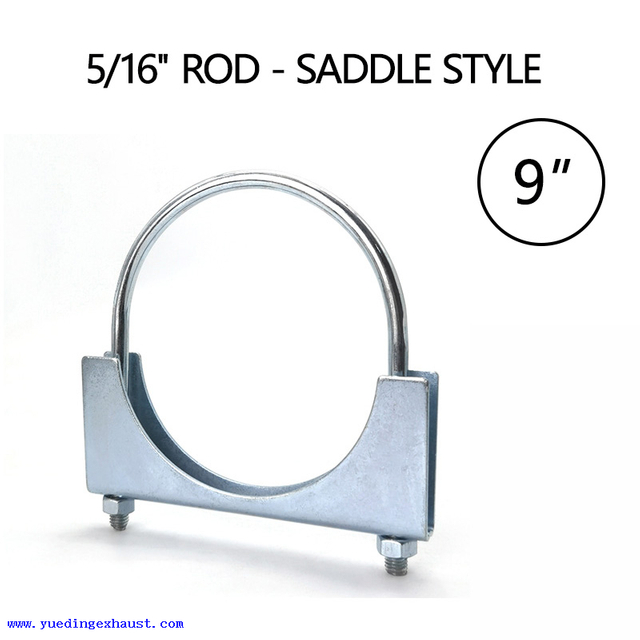
U-Bolt Clamp | Slip-fit pipes, basic replacements, thicker exhaust tubing | Economical and strong, but excessive tightening can deform the pipe |
Butt Joint Band Clamp | Two pipes of the same diameter meeting end-to-end | Requires accurate pipe alignment and the correct clamp diameter |
Lap Joint Band Clamp | One pipe inserted into another | The stepped structure should match the larger and smaller pipe sections |
V-Band Clamp | Flanged exhaust, turbo, DPF, or frequently serviced connections | Requires compatible flanges and correct alignment |
Heavy-Duty Clamp | Trucks, machinery, generators, or high-vibration systems | Band thickness, bolt design, load, and working conditions should be reviewed |
Measure the outside diameter of the pipe rather than estimating its size from the vehicle model. Also confirm whether the joint is a butt connection or an overlapping lap connection. A band clamp can distribute pressure across a wider area, while a U-bolt clamp may suit applications where some pipe deformation is acceptable.
Material selection should reflect the operating environment. Stainless steel may be appropriate where moisture, road salt, heat, or repeated service is expected. Aluminized or coated structures may also be considered depending on the original system, target service life, and budget.
For commercial purchasing, additional details such as band width, bolt structure, surface finish, OE reference, packaging, and mixed-size requirements should be confirmed before ordering.
How to Replace a Leaking Exhaust Clamp
Replacing an Exhaust Clamp can be a manageable repair when the leak is limited to the joint and the surrounding pipe remains serviceable.
Step 1: Prepare the Vehicle Safely
Park on a level surface and allow the exhaust system to cool completely. Raise the vehicle only with suitable lifting equipment and support it securely with jack stands.
Step 2: Confirm the Leak Source
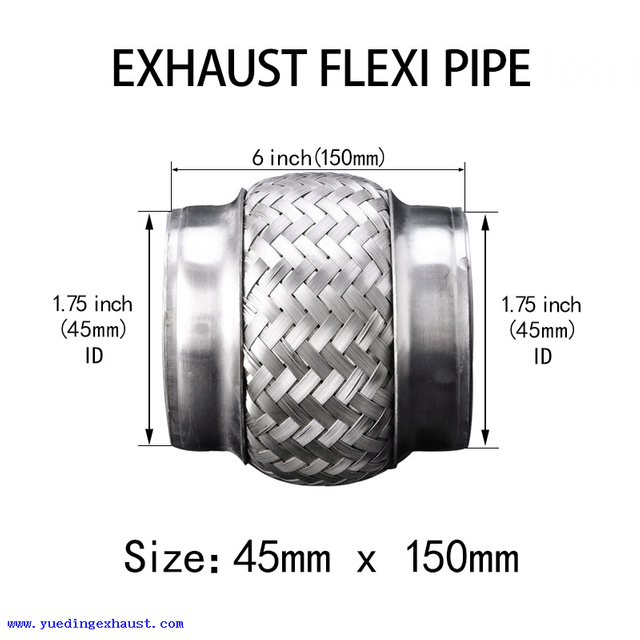
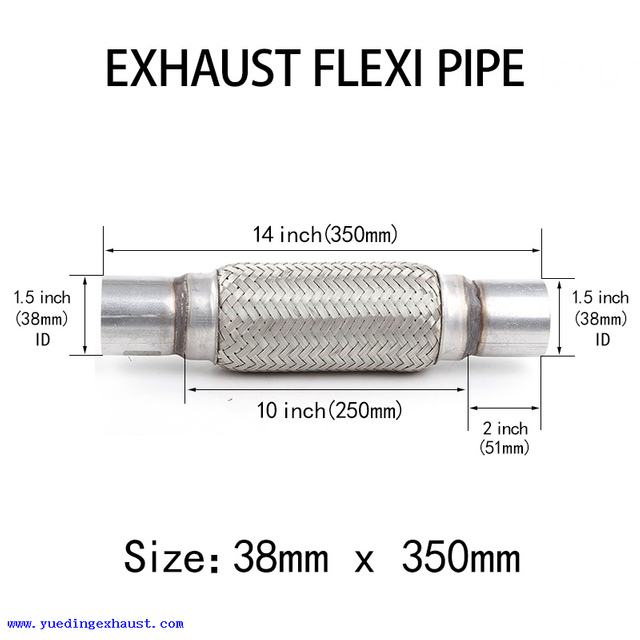
Inspect the joint, surrounding pipe, gasket, flange, flex pipe, and nearby welds. Replacing the clamp will not solve the problem if the tubing is cracked, severely corroded, or incorrectly aligned.
Step 3: Apply Penetrating Oil
Apply penetrating oil to corroded bolts and allow it time to work according to the product instructions. This may reduce the risk of damaged threads or broken hardware.
Step 4: Remove the Old Clamp
Loosen the fasteners gradually. Alternating between tightening and loosening may help break corrosion around seized threads. Severely rusted hardware may need to be cut off, but nearby pipes, wiring, and fuel or brake lines must be protected.
Step 5: Clean and Inspect the Joint
Use a wire brush or scraper to remove soot, rust, and old sealing material. Check whether the pipe remains round and whether the mating surfaces can sit together evenly.
If a previous U-bolt clamp has deeply crimped the pipe, the joint may require reshaping or replacement rather than another clamp alone.
Step 6: Position the New Exhaust Clamp
Slide the clamp into place and align the pipes before tightening. A butt joint clamp should be centered over the meeting point, while a lap joint clamp must follow the stepped diameters of the overlapping pipes.
Make sure the clamp does not interfere with heat shields, hangers, suspension parts, or the vehicle body.
Step 7: Tighten Evenly
Tighten the fasteners gradually and alternate between them where applicable. Follow the clamp manufacturer’s instructions or the vehicle service information instead of applying a universal torque value.
Stop if the pipe begins to collapse or the clamp becomes visibly distorted. More tightening will not correct an incorrectly sized clamp or damaged joint.
Step 8: Check the Repair
After confirming that tools and loose components are clear of the exhaust, start the engine in a ventilated area. Listen for leaks and inspect the joint without touching hot components.
A high-temperature exhaust sealant may help fill minor surface imperfections when it is compatible with the clamp and joint design. It should not be used to conceal large gaps, cracks, or incorrect sizing.
Essential Tools and Materials for Clamp Repair
The required tools depend on the clamp condition and the available working space.
● Sockets and Wrenches: Deep sockets may be needed for long U-bolt threads, while extensions help reach clamps located above other components.
● Penetrating Oil: Useful for hardware exposed to heat, moisture, and road debris.
● Wire Brush and Scraper: Help prepare the pipe surface so the replacement clamp can sit evenly.
● Cutting Tool: May be required for seized hardware, provided surrounding parts can be protected.
● Safety Equipment: Eye protection and gloves help protect against rust flakes, soot, sharp metal, and falling debris.
Before starting, determine whether the nearby exhaust component is clamped, bolted, flanged, or welded. This prevents removing hardware that cannot release the damaged section.
Troubleshooting Stubborn Exhaust Clamp Issues
The New Clamp Still Leaks
A recurring leak may be caused by the wrong clamp diameter, an incorrect butt or lap clamp, an out-of-round pipe, poor alignment, or corrosion beneath the sealing surface. Remove the clamp and inspect the complete joint instead of continuing to tighten it.
The Pipe Has Been Crushed
An over-tightened U-bolt may leave grooves or turn the pipe into an oval shape. A pipe expander may correct minor deformation, but heavily damaged tubing may need replacement.
The Clamp Loosens After Installation
Exhaust pipes expand and contract during operation. Check the fasteners after the first few heat cycles, particularly when new components or gaskets have settled. Also inspect the exhaust hangers because excessive movement can repeatedly loosen the joint.
A Temporary Repair Is Needed
Exhaust tape, patch material, or high-temperature compounds may provide limited emergency support when used within their rated conditions. They should not replace a correctly fitted clamp or sound tubing.
Temporary products are generally unsuitable for fleet vehicles, commercial trucks, or industrial exhaust systems where vibration, operating hours, and maintenance requirements are higher.
The Risks of Ignoring a Faulty Exhaust Clamp
A leaking joint may affect more than the sound of the vehicle.
● Cabin Exposure: Exhaust gases may enter the passenger compartment, particularly when the leak is near the front of the vehicle or the body has openings.
● Inspection Problems: A visible or audible leak may contribute to emissions or roadworthiness inspection failure, depending on local regulations.
● Damage to Nearby Components: Escaping hot gases can affect wiring, sensors, heat shields, and surrounding materials.
● Increasing Repair Scope: Continued vibration may enlarge the gap, damage the pipe ends, or place additional stress on hangers and nearby exhaust sections.
● Noise and Emissions: A leaking connection can increase exhaust noise and release gases before they pass through the intended downstream components.
Conclusion
Fixing an Exhaust Clamp leak requires more than tightening the existing hardware. First confirm that the clamp is the source of the problem, inspect the pipe condition, and select a replacement that matches the joint type and outside diameter. Careful cleaning, alignment, and gradual tightening can reduce the risk of recurring leaks or pipe deformation.
Yueding supplies U-bolt, butt joint, lap joint, band, V-band, heavy-duty, and OE replacement exhaust clamps for automotive and industrial applications. For bulk or customized requirements, buyers can provide pipe dimensions, drawings, samples, OE references, working conditions, and packaging needs for specification review before production.
FAQs
Can I reuse an exhaust clamp after removing it?
Some band or V-band clamps may be reusable if they are not stretched, corroded, distorted, or damaged. U-bolt clamps that have already deformed the pipe or developed damaged threads are usually better replaced.
Why does the joint leak even though the clamp is new?
The clamp may be the wrong diameter or structure, or the pipe may be oval, cracked, misaligned, or heavily corroded. A new clamp cannot compensate for a large gap or damaged sealing surface.
Should I order a butt joint clamp or a lap joint clamp?
Use a butt joint clamp when two pipes of the same outside diameter meet end-to-end. Use a lap joint clamp when one pipe slides over another and the two sides of the connection have different diameters.
What information should a business provide when ordering exhaust clamps?
Useful information includes pipe outside diameter, joint type, clamp material, band width, bolt structure, installation space, application, operating conditions, quantity, OE reference, drawings or samples, and packaging requirements.
How can distributors reduce fitment problems across mixed-size orders?
Create a specification list that separates clamps by pipe diameter, joint structure, material, and application. Request dimensional checks, clear product labeling, and confirmed packing details so similar-looking sizes are not mixed during storage or delivery.






About Yueding
YUEDING manufactures stainless steel exhaust flexible connectors, clamps, metal bellows, and selected automotive exhaust components under ISO and IATF quality systems. With in-house production, inspection, and packaging capabilities, we support bulk orders, standard-size inventory, and customized branding for global B2B customers.
Reliable Delivery
Stable production planning, standard-size inventory, and batch shipping support help make delivery more predictable.

Factory Direct
Production, inspection, and packaging are managed in-house, making communication, quality control, and customization more efficient.

Integrated Supply
We supply flex pipes, clamps, metal bellows, and selected exhaust components to support related purchasing needs from one manufacturer.

